Premature Ejaculation: Causes and Effective Treatment Methods
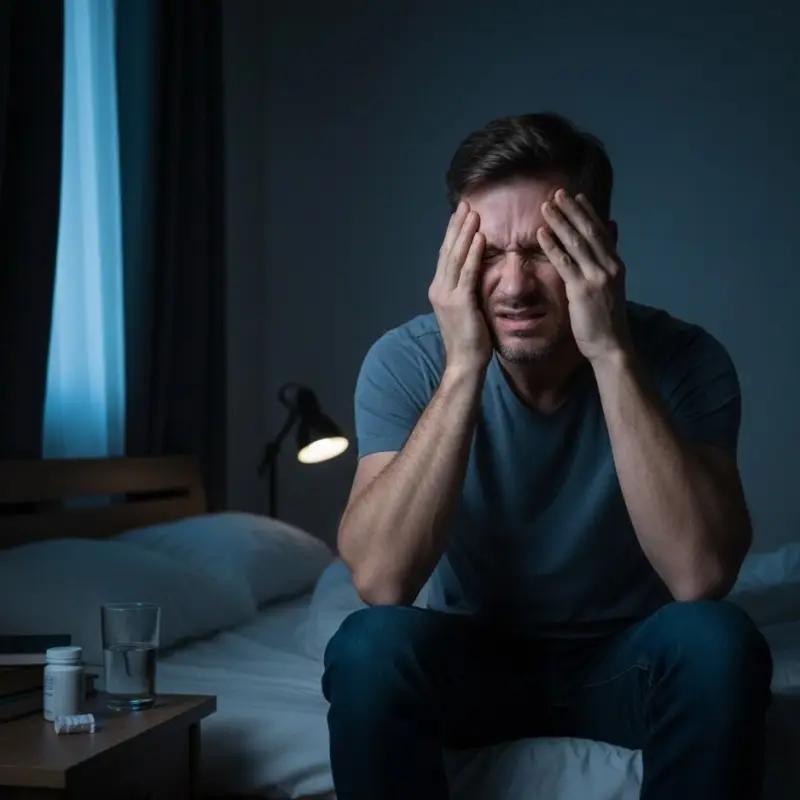
Premature Ejaculation: Causes and Effective Treatment Options
Premature ejaculation, or PE, is one of the most common sexual concerns in men. It happens when ejaculation occurs sooner than desired, with repeated difficulty controlling ejaculation timing during sexual activity. This may cause distress, reduced sexual satisfaction, or tension between partners.
Occasional early ejaculation can happen normally, especially during stress, a new relationship, or after a long period without sexual activity. However, when the problem becomes repeated and distressing, it may need medical, psychological, or behavioral support.
Premature ejaculation should be treated as a manageable health concern, not a source of shame. It may overlap with wider male sexual and reproductive health, so you may also find Vitaminati’s male fertility guide for improving sperm count, motility, and quality helpful for understanding the broader picture of male reproductive wellness.
Key Takeaways
- Premature ejaculation is common and may be temporary or persistent.
- Causes may be psychological, biological, related to erectile dysfunction, linked with prostatitis, or influenced by relationship stress.
- Treatment may include behavioral techniques, pelvic floor exercises, counseling, sex therapy, and prescription medicines.
- Supplements do not directly treat premature ejaculation, but correcting nutrient deficiencies may support general health and fertility when needed.
- You should see a doctor if premature ejaculation is persistent, sudden in onset, linked with pain, burning, discharge, erectile dysfunction, or significant distress.
What Is Premature Ejaculation?
Premature ejaculation is repeated difficulty delaying ejaculation during sexual activity, causing ejaculation to happen before the man or both partners would like. It is not judged by time alone. Control, frequency, distress, and relationship impact are also important.
Premature ejaculation is often divided into two main types:
- Lifelong premature ejaculation: Present from the first sexual experiences or nearly always throughout sexual life.
- Acquired premature ejaculation: Develops later after a period of better ejaculatory control and may be linked with stress, erectile dysfunction, prostatitis, or another health factor.
If your concern is related to fertility or semen quality, remember that premature ejaculation and sperm health are different topics. Vitaminati’s supplement guide to improve sperm health explains the difference between supporting fertility and treating sexual performance concerns.
Causes of Premature Ejaculation
1. Psychological Causes
Psychological factors are common, especially in younger men or at the beginning of a new relationship. Performance anxiety, fear of disappointing a partner, and over-focusing on ejaculation timing can increase pressure and make the problem worse.
- Anxiety and stress: May increase arousal and reduce perceived control.
- Fear of poor performance: Can create a cycle of pressure and faster ejaculation.
- Depression or emotional stress: May affect desire, confidence, and sexual control.
- Relationship tension: Poor communication or conflict may increase performance pressure.
- Past sexual patterns involving rushing: May shape later sexual response patterns.
2. Erectile Dysfunction
Erectile dysfunction can contribute to premature ejaculation. Some men ejaculate quickly because they fear losing the erection during intercourse, creating a repeated cycle of anxiety, rushing, and reduced control.
If you have difficulty getting or maintaining an erection, this should be evaluated separately. Treating erectile dysfunction may improve ejaculatory control in some men.
3. Prostatitis or Genitourinary Inflammation
Acquired premature ejaculation may sometimes be associated with prostatitis, urethral irritation, urinary symptoms, or genital inflammation. Warning signs include pelvic pain, burning during urination, pain with ejaculation, or unusual discharge.
Some symptoms may overlap with sexually transmitted infections. If you have burning, discharge, sores, or symptoms after unprotected sex, seek appropriate testing. You can also review Vitaminati’s article on HIV and AIDS prevention, symptoms, causes, and treatment options for HIV-specific prevention guidance.
4. Biological and Neurological Factors
Some men may have biological factors that contribute to premature ejaculation, such as differences in serotonin signaling, penile sensitivity, or nervous system response to stimulation. These factors do not necessarily mean something dangerous is happening, but they may explain why some men benefit from medical or behavioral treatment.
5. Lifestyle and General Health Factors
Lifestyle is not always the main cause, but it can affect sexual health overall. Poor sleep, smoking, excessive alcohol, low physical activity, obesity, and chronic stress can influence energy, confidence, erection quality, and sexual satisfaction.
How Is Premature Ejaculation Diagnosed?
Diagnosis is usually based on a medical and sexual history, not a single lab test. A healthcare provider may ask about when the problem started, how often it happens, how much control you feel you have, whether erectile dysfunction is present, relationship factors, stress, medications, and urinary or genital symptoms.
Evaluation May Include:
- A detailed medical and sexual history.
- Assessment of anxiety, stress, or relationship concerns.
- Physical examination when needed.
- Urine tests or STI tests if burning, pain, or discharge is present.
- Hormonal testing in selected cases, especially if low desire or erectile dysfunction is also present.
Because sexual health is part of preventive care, Vitaminati’s article on health checkups and preventive care may also be useful.
Treatment Options for Premature Ejaculation
1. Behavioral Control Techniques
Behavioral techniques can help some men recognize arousal levels and stop before the point of ejaculation. They require practice and patience, and they may work better when used with a partner or guided by a specialist.
- Stop-start method: Stimulation is paused when ejaculation feels close, then restarted after the sensation decreases.
- Squeeze technique: Gentle pressure is applied near the head of the penis shortly before ejaculation, then activity resumes after the urge decreases.
- Changing rhythm: Slowing down, pausing, or changing stimulation intensity may help reduce arousal peaks.
- Breathing control: Slow breathing may help calm the nervous system and reduce performance anxiety.
2. Pelvic Floor Exercises
Pelvic floor exercises, often called Kegel exercises, may help some men improve control over the muscles involved in ejaculation. Results are not immediate, but regular practice over several weeks may help.
If you are unsure how to perform pelvic floor exercises correctly, a pelvic floor physiotherapist or healthcare provider can help. This is especially important if you also have pelvic pain.
3. Counseling, Sex Therapy, or Cognitive Behavioral Therapy
If premature ejaculation is linked to anxiety, stress, relationship tension, or past experiences, counseling or sex therapy can be helpful. The goal is not only to delay ejaculation, but also to reduce pressure, improve communication, and support sexual satisfaction.
- Cognitive behavioral therapy may help reduce performance anxiety.
- Sex therapy can help partners communicate and understand sexual response patterns.
- Couples counseling may help when emotional distance or conflict contributes to the problem.
4. Prescription Medicines
In some cases, a doctor may prescribe medication to help delay ejaculation. These medicines should not be used without medical guidance because the right choice depends on health history, other medications, erectile function, and possible side effects.
- Selective serotonin reuptake inhibitors, or SSRIs: These may be used daily or on demand depending on the medicine and the doctor’s plan.
- Dapoxetine: An on-demand medicine for premature ejaculation in some countries, though availability varies by market.
- Topical anesthetics: Lidocaine or prilocaine creams or sprays may reduce penile sensitivity. Correct use is important to avoid numbness in the partner.
- Erectile dysfunction medicines: These may help when premature ejaculation is linked with erectile dysfunction, but they are not a direct treatment for every case.
5. Treating Underlying Causes
If premature ejaculation is acquired or appears suddenly, the underlying cause should be considered. Treating prostatitis, erectile dysfunction, severe anxiety, or relationship stress may improve ejaculation control.
Do Supplements Help Treat Premature Ejaculation?
There is no strong evidence that dietary supplements directly treat premature ejaculation. However, some nutrients may support general health or male fertility when there is a deficiency or a clear need. Supplements should not be presented as substitutes for evidence-based medical or behavioral treatment.
Zinc and Male Reproductive Health
Zinc is important for general health, immunity, and male reproductive function, but it does not directly treat premature ejaculation. If zinc deficiency is present, correcting it may support overall health. Read Vitaminati’s comprehensive zinc guide and benefits of zinc for the body for more context.
CoQ10 and Antioxidants
CoQ10 and antioxidants are more often discussed in the context of sperm quality and male fertility, not as direct premature ejaculation treatments. Vitaminati’s article on the best antioxidants for male fertility explains this connection in more detail.
Male Fertility Supplements
If the goal is to support sperm health or male fertility, some targeted formulas may be considered within a medical and nutrition plan. However, fertility support is different from treating premature ejaculation. For more, read what MYVER is, its ingredients, benefits, uses, and dosage, MYVER for sperm and reproductive health, and MYVER as a male fertility booster.
Lifestyle Changes That May Help
Lifestyle changes may not solve every case of premature ejaculation, but they can reduce anxiety, improve confidence, and support sexual health overall.
- Exercise regularly.
- Reduce smoking and excess alcohol.
- Improve sleep quality and reduce chronic sleep loss.
- Practice stress reduction through breathing, relaxation, or therapy.
- Eat a balanced diet with protein, vegetables, healthy fats, and key minerals such as zinc and magnesium.
- Avoid unverified sexual performance supplements or stimulant products.
If fatigue or low energy is part of the problem, Vitaminati’s article on vitamins for energy and fatigue may help you review possible nutrition-related causes.
When Should You See a Doctor?
Consider seeing a doctor, urologist, or sexual health specialist if premature ejaculation is persistent, distressing, or affecting your relationship.
- The problem has lasted for several months or occurs in most sexual situations.
- It appeared suddenly after a period of normal control.
- It is accompanied by erectile dysfunction or low sexual desire.
- There is pain with ejaculation or pelvic pain.
- There is burning during urination or unusual discharge.
- The issue is causing avoidance of intimacy or tension between partners.
- Home or behavioral strategies have not helped.
Burning during urination may also overlap with urinary conditions, so Vitaminati’s UTI symptoms, causes, and prevention guide may help clarify when urinary evaluation is needed.
Common Mistakes When Managing Premature Ejaculation
- Assuming it is only psychological: It may be psychological, biological, related to erectile dysfunction, or linked with inflammation.
- Using medication without a prescription: Some medicines can cause side effects or interact with other drugs.
- Relying only on supplements: Supplements are not proven direct treatments for premature ejaculation.
- Avoiding communication with a partner: Silence can increase pressure and anxiety.
- Ignoring urinary symptoms or pain: These may suggest infection or inflammation that needs treatment.
- Confusing fertility with sexual performance: Improving sperm quality does not necessarily treat premature ejaculation.
FAQs About Premature Ejaculation
1. Is premature ejaculation common?
Yes. Premature ejaculation is one of the most common sexual concerns in men. It may be temporary or persistent depending on the cause.
2. What is the main cause of premature ejaculation?
There is not always one single cause. It may be linked with anxiety, nervous system sensitivity, erectile dysfunction, inflammation, or relationship stress.
3. Does premature ejaculation mean infertility?
Not necessarily. Premature ejaculation relates to ejaculation timing and control, while fertility depends on factors such as sperm count, motility, morphology, and reproductive health.
4. Can premature ejaculation be cured?
Many men improve significantly with the right treatment. Some cases resolve when the underlying cause is treated, while others need ongoing management with behavioral, psychological, or medical support.
5. Do Kegel exercises help premature ejaculation?
They may help some men improve pelvic floor control, but they need correct technique and regular practice over several weeks.
6. Are medicines effective for premature ejaculation?
Medicines may help some men, especially SSRIs, dapoxetine where available, or topical anesthetics. They should be used under medical supervision.
7. Do herbal supplements treat premature ejaculation?
There is not strong evidence that herbal supplements directly treat premature ejaculation. Some products may be unsafe or interact with medicines.
8. Can erectile dysfunction cause premature ejaculation?
Yes. Some men ejaculate quickly because they fear losing the erection, which can create a cycle of anxiety and rushed ejaculation.
9. When should I see a doctor?
See a doctor if the problem is persistent, appears suddenly, affects your relationship, or is linked with pain, burning, discharge, erectile dysfunction, or low desire.
10. Can premature ejaculation be treated without medication?
Yes. Some cases improve with behavioral techniques, pelvic floor exercises, anxiety reduction, sex therapy, and lifestyle changes. Other cases may need medical treatment.
Conclusion
Premature ejaculation is common and treatable. It may be linked with psychological factors, biological sensitivity, lifestyle habits, erectile dysfunction, prostatitis, or relationship stress. Effective treatment begins with understanding the cause, then choosing the right plan.
Behavioral techniques, pelvic floor training, counseling, sex therapy, and prescription medicines can all play a role. Supplements may support general health or fertility when needed, but they do not directly treat premature ejaculation. If the issue is repeated or affects your confidence or relationship, seeking medical help is the safest step.
Medical disclaimer: This article is for general educational purposes only and does not replace medical advice. If premature ejaculation is persistent or accompanied by pain, burning, discharge, erectile dysfunction, low desire, or severe distress, consult a qualified healthcare professional.
Scientific References
- American Urological Association: Disorders of Ejaculation Guideline
- AUA/SMSNA Guideline: Disorders of Ejaculation
- NHS: Ejaculation Problems
- Mayo Clinic: Premature Ejaculation Symptoms and Causes
- Mayo Clinic: Premature Ejaculation Diagnosis and Treatment
- NIDDK: Erectile Dysfunction
- NCBI Bookshelf: Premature Ejaculation