Prostate Health and Its Relation to Sexual Function: A Comprehensive Guide
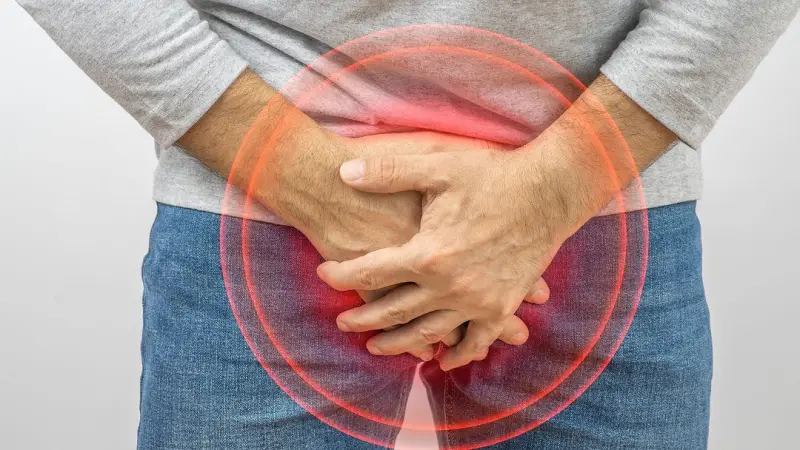
Prostate health is an important part of men’s health because the prostate is connected to both the urinary and reproductive systems. The prostate helps produce part of the semen and sits around the urethra below the bladder, so prostate problems may affect urination, ejaculation, sexual comfort, and sometimes erections or sexual desire.
However, the relationship between the prostate and sexual function is not always direct. Symptoms may result from prostatitis, benign prostatic hyperplasia, prostate cancer, or treatments for these conditions. For that reason, it is not recommended to self-diagnose or rely only on supplements. Persistent or repeated urinary or sexual symptoms should be evaluated by a healthcare professional.
What Is the Prostate and What Does It Do?
The prostate is a small gland in men located below the bladder and in front of the rectum. It surrounds part of the urethra and produces fluid that helps form semen and supports sperm movement.
As men age, the chance of developing prostate problems may increase. Common conditions include benign prostatic hyperplasia, prostatitis, and prostate cancer. These conditions differ in causes, seriousness, and treatment, so it is important not to assume that every urinary symptom means cancer. For more, you can review this article on prostate cancer symptoms, causes, and prevention methods.
How Is Prostate Health Linked to Sexual Function?
1. The Prostate and Semen
The prostate produces an important part of semen, the fluid that helps carry sperm. For this reason, some prostate problems or prostate treatments may affect ejaculation, semen volume, or the sensation during ejaculation.
2. The Prostate and Erections
The prostate is not directly responsible for erections. Erections depend on blood flow, nerves, hormones, and psychological factors. However, some prostate diseases or their treatments may be linked with erectile dysfunction, especially when there is chronic pain, anxiety, bothersome urinary symptoms, or side effects from medications, surgery, or hormone therapy.
If erectile dysfunction is the main concern, this article on causes of erectile dysfunction and treatment options may help explain possible causes beyond the prostate as well.
3. The Prostate, Ejaculation, and Orgasm
During ejaculation, the prostate helps push fluid through the urethra. Therefore, some prostate conditions may cause symptoms such as painful ejaculation, changes in semen volume, or changes in orgasm sensation. Some medicines for enlarged prostate or treatments for prostate cancer may also affect ejaculation or sexual desire.
Common Prostate Conditions and Their Effect on Sexual Health
1. Prostatitis
Prostatitis may be acute or chronic, bacterial or related to chronic pelvic pain syndrome. It may cause pain or pressure in the pelvic area, pain during urination, and sometimes pain during or after ejaculation.
Possible symptoms:
- Pain or burning during urination.
- Pain in the pelvis, lower back, or area between the testicles and anus.
- Pain during or after ejaculation.
- Increased need to urinate or difficulty urinating.
- Fever or chills in acute bacterial prostatitis.
Effect on sexual function:
Chronic pain or painful ejaculation may affect sexual desire and comfort during sex. Chronic prostatitis may also be associated with erectile or ejaculation problems in some men, especially when symptoms are ongoing and distressing.
2. Benign Prostatic Hyperplasia
Benign prostatic hyperplasia, or BPH, is non-cancerous enlargement of the prostate gland that often becomes more common with age. It usually causes urinary symptoms because the enlarged prostate can press on the urethra or affect bladder emptying.
Possible symptoms:
- Frequent urination, especially at night.
- Weak or interrupted urine flow.
- Difficulty starting urination.
- Feeling that the bladder is not completely empty.
- Urgent need to urinate.
Effect on sexual function:
Frequent urinary symptoms may affect sleep, confidence, and intimacy. Some BPH medications may also affect ejaculation or sexual desire in some men. Any sexual changes should be discussed with a doctor instead of stopping medication without guidance.
If you are interested in general prostate support, you can read about PROSTA-LIQ PLUS and prostate health support, while remembering that supportive products do not replace medical evaluation when urinary or sexual symptoms persist.
3. Prostate Cancer and the Effect of Treatment on Sexual Performance
Prostate cancer may cause no symptoms in its early stages. When urinary symptoms, pain, or blood in urine or semen appear, they may be caused by cancer or by non-cancerous conditions, so medical evaluation is needed.
Symptoms that need evaluation:
- Persistent difficulty urinating.
- Blood in urine or semen.
- Persistent pain in the pelvis, back, or bones.
- Unexplained weight loss or severe fatigue.
Effect on sexual function:
Prostate cancer treatments such as surgery, radiation therapy, or hormone therapy may affect erections, ejaculation, sexual desire, and testosterone levels. This does not happen to the same degree in all men. The effect depends on treatment type, age, overall health, and erectile function before treatment.
How to Support Prostate Health and Sexual Performance
1. Follow a Balanced Diet
Diet does not guarantee prevention of prostate disease, but it supports general health and may help reduce some risk factors linked with chronic diseases.
- Eat vegetables, fruits, whole grains, and legumes.
- Choose healthy protein sources and reduce processed meats and saturated fats.
- Include foods rich in beneficial plant compounds, such as tomatoes, leafy greens, nuts, and seeds, as part of a balanced diet.
- Do not rely on lycopene, zinc, or any nutrient as a guaranteed treatment or prevention method.
2. Stay Physically Active
Physical activity such as walking, swimming, and suitable strength training supports healthy weight, circulation, and heart health. These factors are also important for sexual function because erections depend greatly on blood vessel and nerve health.
3. Strengthen the Pelvic Floor
Pelvic floor exercises, such as Kegel exercises, may help some men improve urinary control and support recovery after some prostate treatments. It is best to learn them correctly, especially after surgery or when pelvic pain is present.
4. Choose Appropriate Screening and Checkups
Prostate screening, including PSA testing, should depend on age, risk factors, family history, and symptoms. Screening is not the same for everyone, so it is best to discuss the benefits and risks with a doctor. You can also read more about health checkups and preventive care.
5. Manage Stress and Sleep
Chronic stress and poor sleep may affect sexual desire, mood, energy, and hormones. Better sleep routines and relaxation techniques may support sexual health and overall quality of life. You can read more about stress management and sleep hygiene and natural sleep aids.
6. Limit Alcohol and Caffeine if Urinary Symptoms Are Present
Some men notice that caffeine or alcohol increases bladder irritation or frequent urination, especially with BPH. Reducing these drinks may help some people reduce nighttime disruption and improve sleep.
Treating Sexual Problems Linked to Prostate Conditions
Treatment depends on the cause. It is important to know whether the problem is related to prostatitis, BPH, prostate cancer treatment, vascular erectile dysfunction, medications, stress, or other factors.
1. Medications
- Alpha blockers: These may relax prostate and bladder-neck muscles and improve urine flow, but they may cause ejaculation changes in some men.
- 5-alpha reductase inhibitors: These may reduce prostate size over time, but they may affect sexual desire, erections, or ejaculation in some people.
- Erectile dysfunction medicines: These may be used when erectile dysfunction is present and may also help some men with urinary symptoms, but they must be used under medical supervision, especially with heart disease or nitrate medications.
2. Pelvic Floor Physical Therapy
Specialized pelvic floor physical therapy may help when chronic pelvic pain, urinary control problems, or post-prostate-surgery issues are present. Not every pelvic pain problem needs the same exercises, so proper evaluation matters.
3. Surgery or Medical Procedures
Procedures or surgeries may be used for severe BPH or prostate cancer. Some options may affect ejaculation or erections, so the sexual benefits and risks should be discussed before treatment.
4. Hormone Therapy
Hormone therapy is used in some cases of prostate cancer, but it may reduce sexual desire and cause erectile dysfunction because it lowers the effect of male hormones. A doctor can discuss sexual and psychological support options during treatment.
When Should You See a Doctor?
See a doctor if you experience any of the following:
- Persistent urinary problems or weak urine flow.
- Waking up often at night to urinate in a way that disrupts sleep.
- Painful ejaculation or ongoing pelvic pain.
- Blood in urine or semen.
- New or worsening erectile dysfunction.
- Fever or chills with urinary or pelvic pain.
- A family history of prostate cancer, especially in a father or brother.
Conclusion
Prostate health is linked to sexual function through its role in semen production, ejaculation, urinary comfort, and sometimes erections or sexual desire. However, sexual problems do not always mean there is a serious prostate disease. They may also be related to blood vessels, hormones, stress, medications, or lifestyle factors.
The best way to support prostate health and sexual function is to combine a healthy lifestyle, symptom awareness, appropriate checkups, and medical advice when persistent changes appear. Supplements or supportive products should not be used instead of diagnosis or medical treatment.
Frequently Asked Questions
1. Can prostate health affect erections?
Some prostate diseases or prostate treatments may affect erections, but the prostate is not the only cause of erectile dysfunction. Heart health, blood vessels, hormones, stress, and medications may also play a role.
2. Is enlarged prostate cancer?
No. Benign prostatic hyperplasia is non-cancerous. However, it can cause bothersome urinary symptoms and may need treatment if it affects quality of life or causes complications.
3. Does painful ejaculation mean prostatitis?
Prostatitis may be one possible cause, but it is not the only cause. Repeated or persistent painful ejaculation should be medically evaluated.
4. Does a PSA test always detect prostate cancer?
No. PSA may rise because of cancer or because of non-cancerous conditions such as BPH or prostatitis. A normal result also does not exclude every possibility, so a doctor interprets PSA with other factors.
5. Can supplements improve prostate health?
Some products may support general health or specific symptoms for some men, but they do not treat prostate diseases or prevent cancer. Consult a doctor or pharmacist before using them.
6. When are prostate symptoms urgent?
Seek urgent medical care if you cannot urinate, have fever with severe pain, visible blood in urine, severe bone pain, or sudden weakness in the legs.
Related Reading
- Prostate Cancer: Symptoms, Causes, and Prevention Methods
- PROSTA-LIQ PLUS: Prostate Health & BPH Prevention
- Causes of Erectile Dysfunction: Causes, Treatments, and Ways to Overcome It
- Myver®: Male Fertility and Sperm Quality Support
References
- NIDDK: Prostate Problems
- NIDDK: Prostatitis — Inflammation of the Prostate
- NIDDK: Enlarged Prostate — Benign Prostatic Hyperplasia
- National Cancer Institute: Prostate-Specific Antigen PSA Test
- National Cancer Institute: Hormone Therapy for Prostate Cancer
- National Cancer Institute: Sexual Health Issues in Men and Cancer Treatment
Disclaimer: This article is for general educational purposes only and does not replace medical advice. If you have persistent urinary or sexual symptoms, blood in urine or semen, or a family history of prostate cancer, consult a specialist before using any treatment or supplement.