The Chemistry of Digestion: A Simple Scientific Guide to Understanding the Types, Causes, and Management of Constipation Through Diet and Daily Habits
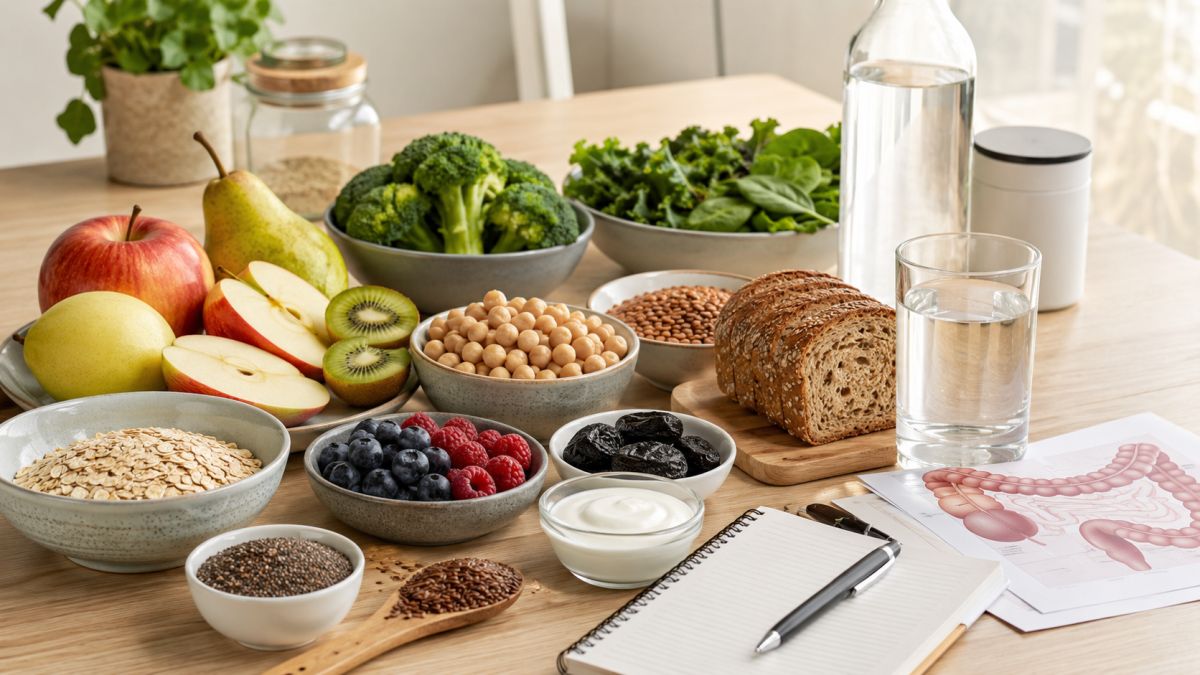
Many people believe that constipation is merely a temporary symptom or a single problem with a simple solution, such as drinking water or taking laxatives. From a nutritional science perspective, however, the issue is more complex. Constipation has different types and biological causes, and these are closely connected to both the nature of our diet and the details of our daily lifestyle. In this article, we will explore the chemistry of digestion, uncover the real causes of constipation, and provide a clear, science-based roadmap that includes functional foods that may help relieve this burden, as well as the foods and habits you should avoid to help your intestines regain their natural balance.
Constipation: More Than Just a Temporary Symptom
Constipation is one of the most common digestive disorders, and it can affect people of all ages, from newborns to older adults. Medically, constipation is characterized by difficulty passing stool and infrequent bowel movements, usually fewer than three times per week. Because it is not always a simple symptom that resolves on its own, leaving constipation unaddressed may significantly affect your daily quality of life and may even lead to health complications that could otherwise be avoided.
Are All Cases of Constipation the Same? Understanding the Different Types
1) Functional constipation: This is the most common type among both children and adults. In this form of constipation, there is no clear underlying organic disease. Instead, it may develop because of everyday factors such as inadequate fluid intake, a diet low in fiber, dehydration, high temperatures, psychological stress, side effects from certain medications, or family history.
2) Chronic constipation of unexplained cause: This type is characterized by irregular bowel movements and persistent difficulty passing stool over long periods. Unlike the previous type, there may be no obvious daily trigger or clear physiological explanation for the ongoing discomfort, which means the condition requires a more in-depth approach.
3) Secondary constipation: In this case, constipation develops as a result of another identifiable medical cause, such as a digestive disorder, the use of certain medications, or severe dietary disturbances. Management of this type always begins by addressing the “root cause” and adjusting medications in coordination with qualified healthcare professionals.
The Mystery of a Sluggish Bowel: How Can You Identify the Real Cause of Constipation?
Because the body functions as an integrated biological system, sluggish bowel movement is rarely a random event. In many cases, constipation acts like an encoded message from the digestive system, indicating that something is out of balance and needs attention. The problem may not be limited to what is on your plate. It may also involve your daily habits, hormonal balance, or even your medication routine. Let us look behind the scenes and identify the main factors that may be contributing to the problem.
1) Daily Habits and Lifestyle
- Not consuming enough fiber in your diet.
- Not drinking enough fluids, along with excessive consumption of coffee, tea, or alcohol.
- Physical inactivity, prolonged sitting, and insufficient exercise, which may directly contribute to reduced intestinal muscle activity.
2) Medications and Chemical Substances
In many cases, constipation is simply a side effect of another treatment plan. Some of the most notable medications and substances associated with constipation include:
- Strong pain medications, including opioid analgesics and nonsteroidal anti-inflammatory drugs.
- Iron and bismuth supplements.
- Certain blood pressure medications, including calcium channel blockers, as well as antidepressants and other psychiatric medications.
- Toxicity caused by excessive or incorrect doses of vitamin D, or lead poisoning.
3) Hormonal and Metabolic Disorders: The Body’s Internal Chemistry
- Hypothyroidism: This may slow metabolism and reduce bowel movement.
- Diabetes: This includes both major types of diabetes, as well as diabetes insipidus, because of their effects on the nerves that supply the digestive system.
- Mineral imbalances: Examples include low potassium levels or elevated calcium levels in the blood.
4) Structural and Anatomical Causes
In these cases, the intestines may be healthy, but a localized physical problem causes pain or interferes with normal stool passage. Examples include:
- An anal fissure or painful hemorrhoids that make bowel movements painful, causing a person to hold in stool involuntarily.
- Congenital abnormalities, such as narrowing of the anal opening.
5) Obstruction of the Colon or Rectum
Any change in the lining tissues or narrowing of the passage may interfere with the movement of stool. Examples include:
- Damage or scarring in the tissues of the colon.
- Benign or malignant tumors in the colon, rectum, or surrounding tissues, which require prompt medical evaluation.
6) Pelvic Floor Muscle Dysfunction: Muscular Incoordination
Passing stool requires natural coordination. The stool must be pushed forward while the pelvic floor muscles relax at the same time. Weakness or poor coordination in these muscles may make straining ineffective and can contribute to chronic constipation.
7) Other Possible Causes
- Immune-related and dietary disorders, such as celiac disease or cow’s milk protein allergy.
- Nerve dysfunction or damage.
- Irritable bowel syndrome (IBS).
- Systemic diseases that affect body tissues, such as cystic fibrosis and scleroderma.
“As you can see, the causes often overlap. This is why my role as a nutrition specialist does not begin with prescribing laxatives. It begins with understanding the real cause of your condition so that we can reengineer your diet in a way that suits the needs of your body.”
Reengineering Your Diet and Daily Habits: A Practical Plan to Get Your Bowels Moving Again
Managing constipation is not about searching for temporary solutions. It requires a comprehensive approach in which your lifestyle and diet work together to support bowel movement and reduce symptoms at their source. Dietary and lifestyle changes form the foundation of this approach. These changes include increasing fiber intake, drinking enough water to soften stool, exercising regularly, and training your bowels to follow a consistent routine. Management may also include more advanced approaches, such as physical therapy to rehabilitate the pelvic floor muscles or cognitive behavioral therapy to reduce the stress and anxiety that may slow digestive movement. As for medicinal laxatives, they are only a temporary rescue option and should be used under appropriate supervision to protect the bowel from becoming chronically dependent on them.
First: Reengineering Your Diet — The Golden Equation of Fiber and Hydration
- Follow a diet rich in fiber. Dietary fiber is one of the most important nutritional tools for managing constipation. It acts like a natural sponge by increasing stool volume and helping it retain moisture and softness so that it can pass more easily. Fiber is divided into two main types: soluble fiber, which forms a gel-like substance that softens stool, and insoluble fiber, which increases stool bulk. International guidelines recommend consuming approximately 25 to 34 grams of fiber per day, depending on your daily calorie requirements.
Fiber-rich foods include:
| Food Group | Practical Examples for Your Daily Plate |
|---|---|
| Whole grains | Whole-wheat bread, oats, and quinoa. |
| Legumes | Lentils, black beans, kidney beans, soybeans, and chickpeas. |
| Fruits | Prunes, dried figs, kiwi, cherries, berries, apples with the peel, oranges, and pears. |
| Vegetables | Carrots, sweet potatoes, broccoli, eggplant, and leafy vegetables. |
| Seeds and nuts | Cashews, hazelnuts, pistachios, chia seeds, flaxseeds, and sunflower seeds. |
Important note: Increase the amount of fiber in your diet gradually while drinking enough water. This may help reduce bloating and gas.
How Can Dietary Patterns and Supplements Support Bowel Movement?
The role of food extends beyond providing fiber. It can also influence the biological environment within the digestive system.
Gut-friendly dietary patterns: Plant-based and Mediterranean diets
These two dietary patterns are considered among the strongest protective approaches against constipation because they may improve the balance of beneficial gut bacteria and reduce digestive inflammation. Their digestion also produces short-chain fatty acids (SCFAs), which act as a biological fuel source for colon cells and help stimulate bowel movement.
Supportive supplements and biological substrates: Probiotics and prebiotics
Probiotics and prebiotics work together to help restore balance within the microbiome, or the community of beneficial bacteria in the gut. This may contribute to the production of neurotransmitters and fatty acids that support digestion and normal bowel movements.
Polyphenols: Powerful antioxidant compounds
Polyphenols are found in abundance in vegetables, fruits, and green tea. They may help strengthen and protect the intestinal wall, support the balance of intestinal neurotransmitters, and reduce digestive inflammation that could interfere with normal bowel movement.
Polysaccharides
Polysaccharides are unique complex compounds that may play a targeted role within intestinal cells. They can influence certain genes and proteins involved in fluid regulation and bowel movement, including TRPV1 receptors and AQP3 water channels, helping to support normal and regular intestinal contractions.
Second: Smart Hydration
- If fiber is the engine, water is the fuel that reduces friction. Maintaining adequate hydration is therefore the second pillar of the golden equation. Drinking plenty of water and caffeine-free fluids helps keep stool soft and easier to pass. Adequate fluid intake may also help reduce cramping, bloating, and gas that can occur when fiber intake is first increased.
Important note: “Always remember that fiber and water are two sides of the same coin. If you increase fiber without drinking enough water, the result may be the exact opposite of what you intended, potentially leading to blockage and more severe constipation. Make a glass of water your regular companion with every fiber-rich meal, and avoid excessive intake of caffeinated drinks, such as coffee and strong tea, because they may increase urination and contribute to dehydration, making stool drier and more difficult to pass.”
Third: Resetting Your Bowel’s Biological Clock — Activity and Behavioral Habits
Managing constipation is not limited to the food and drinks you consume. It also depends heavily on your body’s signals and your daily level of activity. The following habits can help train your bowels to become more regular:
-
Move your body, and your bowels will move:
Try to exercise or engage in physical activity, such as brisk walking, yoga, or stretching, on most days of the week. Regular physical activity is not only a way to burn calories. It also provides mechanical stimulation that may accelerate intestinal muscle contractions and improve the movement of stool through the colon.
-
Build healthy bowel habits and listen to your body:
Do not ignore or delay the urge to have a bowel movement. Instead, try to establish a regular schedule for using the bathroom. The ideal time is approximately 15 to 45 minutes after eating because digestion activates automatic nervous and biological signals that encourage the intestines to move and make stool passage easier.
Fourth: The Digestive Brakes — Foods and Habits to Avoid
Certain foods and dietary patterns can place a heavy burden on the digestive system, especially high-fat diets and heavily processed foods. This occurs for three important biological reasons:
1. Slower digestion and drier stool: These foods are often low in the fiber needed to stimulate bowel movement. At the same time, they may contain high levels of saturated fat, which can take longer to move through the intestines and slow digestion. Excessive salt intake may also draw fluids away from the body, contributing to drier stool.
2. Interference with serotonin and mucus-related functions: Heavy reliance on high-fat foods may reduce the secretion of the protective mucus that lubricates the intestinal lining. It may also reduce the availability of intestinal serotonin, a neurotransmitter that plays a direct role in stimulating and regulating the wave-like contractions of the digestive tract.
3. Disruption of the microbiome: These foods may significantly disturb the balance of beneficial gut bacteria, interfering with the natural fermentation processes that support easier stool passage.
Foods that are strongly recommended to be avoided or limited include:
- Fast food and potato chips.
- Processed meats and excessive intake of red meat.
- Prepared and highly processed foods: These include certain frozen meals, sausages or hot dogs, and ready-made microwave meals.
In Conclusion, Always Remember
Managing and preventing constipation is not based on a single quick fix. It is a complete lifestyle approach that involves reshaping your daily routine and your diet. The digestive system works like a precise and interconnected biological machine. Fiber acts as the engine, continuous hydration is the fuel that reduces friction, and physical activity is the spark that keeps the system moving regularly.
By taking simple steps and following the “golden equation” of fiber and hydration, while listening to your body’s natural signals and avoiding foods that act like brakes on normal bowel movement, you can help restore balance within your gut microbiome and support smoother, more comfortable digestion each day.
Make your digestive health a priority, and begin today with the first step toward a lighter and more energetic life.
A Message from the Nutrition Specialist
If your constipation is chronic and does not respond to dietary and lifestyle changes, or if it is accompanied by symptoms such as severe pain, unexplained weight loss, or bleeding, it is essential to consult a physician promptly for the necessary medical evaluation.
Frequently Asked Questions
Does drinking tea or coffee relieve constipation or make it worse?
Caffeine may temporarily stimulate bowel movement. However, excessive intake may increase urination and contribute to dehydration, which can make stool drier and constipation worse. Water remains the best choice for hydration.
Is it better to eat apples with or without the peel for constipation?
Eating apples with the peel is preferable because the peel contains both soluble and insoluble fiber. Together, these types of fiber act like a natural sponge that helps soften stool and make it easier to pass.
How does exercise directly help with constipation?
Physical activity acts as a mechanical stimulus. It may increase contractions of the intestinal and colon muscles, helping move stool more quickly before the intestines absorb too much water from it and make it dry.
What role do plant-based and Mediterranean diets play in constipation?
These dietary patterns are considered among the strongest protective approaches against constipation because they may improve the balance of beneficial gut bacteria and reduce digestive inflammation. Their digestion also produces short-chain fatty acids (SCFAs), which act as a biological fuel source for colon cells and help stimulate bowel movement.
What role do probiotics and prebiotics play in constipation?
Probiotics and prebiotics may play a useful role by working together to restore balance within the gut microbiome. This may support the production of neurotransmitters and fatty acids involved in digestion and normal bowel movements.
How can you benefit from dietary fiber while avoiding gas?
Increase your fiber intake gradually and drink enough water. This may help reduce bloating and gas as your digestive system adjusts.
When should you see a doctor?
If your constipation is chronic and does not respond to dietary and lifestyle changes, or if it is accompanied by severe pain, unexplained weight loss, or bleeding, you should seek prompt medical evaluation.
Written by: Mai Kamel Abdelnaby, Clinical Nutrition Specialist
Scientific References
- https://www.ncbi.nlm.nih.gov/books/NBK513291
- https://www.mayoclinic.org/diseases-conditions/constipation/symptoms-causes/syc-20354253
- https://www.niddk.nih.gov/health-information/digestive-diseases/constipation/eating-diet-nutrition
- https://cdhf.ca/en/dietary-approaches-to-preventing-and-relieving-constipation
- https://www.sciencedirect.com/science/article/abs/pii/S0963996925020526