The Comprehensive Biotin Guide: Benefits, Deficiency, Dosage, and Best Usage Methods
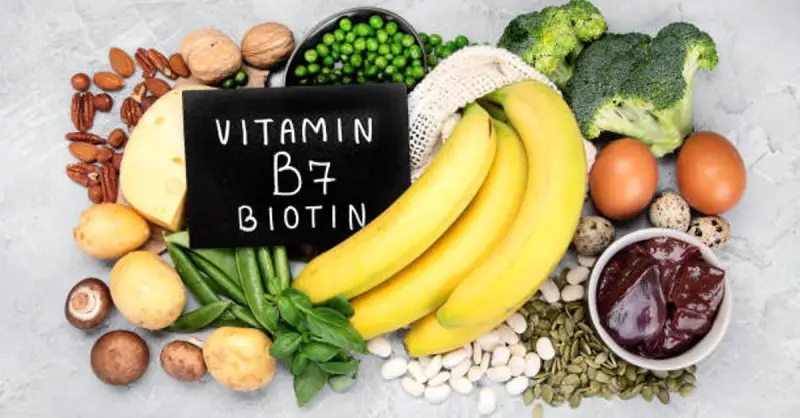
Biotin is vitamin B7, one of the water-soluble B vitamins. It participates in the metabolism of carbohydrates, fats, and proteins, helps the body use food to produce energy, and is commonly linked to the health of skin, hair, nails, and the nervous system.
Although biotin is often marketed as the “hair vitamin,” its real role is broader and more closely related to metabolism and cell function. Biotin supplements do not guarantee better hair or nails for everyone, because the benefit is usually clearer when there is a true deficiency or a specific risk factor.
What Is Biotin and Why Does the Body Need It?
Biotin is an essential vitamin that the body needs in small amounts, but it is important for several biological reactions. Because it is water-soluble, the body does not store it in large amounts like some fat-soluble vitamins, so regular intake from food matters.
Biotin acts as a coenzyme for enzymes involved in energy use and the production of certain compounds inside the body. This means it does not act as a direct stimulant, but it helps normal metabolic pathways work properly.
Biotin is involved in functions such as:
- Carbohydrate metabolism and glucose use.
- Fat metabolism and fatty acid synthesis.
- Metabolism of certain amino acids.
- Energy production inside cells.
- Normal skin, hair, and nail function.
- Normal nervous system function as part of a balanced nutritional pattern.
Functions of Biotin in the Body
Biotin is connected to enzymes known as carboxylases, which are involved in key pathways for energy and metabolism. This is why biotin may appear in energy products or B-complex vitamins, but taking high doses does not mean it will increase energy in someone who is not deficient.
Carbohydrate Metabolism
Biotin helps in some pathways related to glucose use and glucose production from non-carbohydrate sources when needed. This role is part of energy regulation, not a direct treatment for blood sugar disorders or fatigue.
Fat Metabolism
Biotin is involved in fatty acid synthesis, which is important for cell membranes, skin function, and energy. For this reason, biotin deficiency may sometimes appear with skin symptoms or changes in hair, but these symptoms are not specific to biotin alone.
Protein and Amino Acid Metabolism
Biotin contributes to the metabolism of certain amino acids, the building blocks of proteins. This means its role is related to general cellular function, not only hair or nails.
Evidence-Based Benefits of Biotin
The main benefits of biotin come from its role in normal metabolism, not from a direct cosmetic effect. It is better to view biotin as an essential vitamin the body needs, not as a quick fix for hair loss or weak nails.
Energy Production Support
Biotin helps the body use macronutrients, which connects it to energy production. However, persistent fatigue does not automatically mean biotin deficiency. It may be related to iron deficiency, vitamin B12 deficiency, vitamin D deficiency, thyroid disorders, poor sleep, or other health causes.
Hair Health Support
Hair loss or weak hair may occur when biotin deficiency is clearly present, so correcting the deficiency may be helpful in that situation. If there is no deficiency, biotin may not produce noticeable results.
Understanding hair vitamins myths and facts helps clarify that hair loss may result from many causes, including low iron, thyroid disorders, stress, postpartum changes, medications, or genetics.
Nail Health Support
Biotin may be useful for some people with brittle nails, especially if deficiency or poor nutrition is part of the problem. However, brittle nails may also be related to frequent exposure to water and detergents, low iron, thyroid disorders, or skin conditions.
Skin Health Support
Biotin is involved in pathways related to skin health and cell function. Deficiency may sometimes appear with a rash or irritation around the eyes, nose, or mouth. However, using biotin to improve skin in people who are not deficient is not strongly supported as an independent cosmetic treatment.
Causes of Biotin Deficiency
True biotin deficiency is uncommon because biotin is found in several foods in small amounts and the body’s requirement is relatively low. Still, deficiency may occur in certain situations that affect absorption, utilization, or dietary intake.
Causes and risk factors may include:
- Malabsorption or certain digestive disorders.
- Long-term parenteral nutrition without adequate biotin replacement.
- Long-term use of certain anticonvulsant or seizure medications.
- Rare inherited disorders such as biotinidase deficiency.
- Very restrictive diets followed for a long time.
- Long-term intake of large amounts of raw egg whites, because avidin may reduce biotin absorption.
Understanding biotin deficiency, symptoms, and causes helps identify when a supplement may truly make sense instead of using it randomly for every hair or fatigue concern.
Symptoms of Biotin Deficiency
Symptoms of biotin deficiency may develop gradually and overlap with symptoms of other nutrient deficiencies or health conditions. For this reason, one symptom such as hair loss or fatigue is not enough to confirm deficiency.
- Hair loss or thinning hair.
- Brittle nails or nails that break easily.
- Skin rash or irritation around the eyes, nose, or mouth.
- Dry or cracked skin.
- General fatigue or low energy.
- Poor concentration or brain fog.
- Numbness or neurological symptoms in severe or rare cases.
If symptoms are clear or persistent, a biotin blood test may be part of the evaluation in selected cases, but it is not the first test for every person with hair loss or fatigue.
Natural Sources of Biotin
Most people meet their biotin needs through food. This makes a varied diet more useful than going straight to high-dose supplements.
| Food Source | Practical Notes |
|---|---|
| Cooked eggs | Egg yolk contains biotin, while large amounts of raw egg white may interfere with absorption. |
| Liver and meats | Provide biotin with other nutrients, but frequent liver intake is not suitable for everyone, especially during pregnancy. |
| Fish | Provides protein and other useful nutrients. |
| Nuts and seeds | Provide biotin along with healthy fats and minerals. |
| Legumes | Lentils, chickpeas, and beans provide plant protein and fiber. |
| Whole grains | Contribute B vitamins as part of a varied diet. |
| Sweet potatoes and some vegetables | Useful as part of a balanced and diverse eating pattern. |
When Do You Need a Biotin Supplement?
Most people do not need a high-dose biotin supplement. Supplementation may be appropriate when deficiency is confirmed, a clear risk factor exists, malabsorption is present, medications affect biotin status, or a doctor or pharmacist recommends it.
Biotin supplements may be considered in cases such as:
- Confirmed biotin deficiency or strong suspicion with clear risk factors.
- Rare inherited disorders of biotin metabolism.
- Malabsorption or long-term parenteral nutrition.
- Long-term use of certain seizure medications.
- Pregnancy or breastfeeding when a specific need exists and professional guidance is provided.
Using biotin only to “increase hair growth” without assessing the cause may not be useful and may create an important practical issue when laboratory tests are needed.
Biotin Dose and How to Use It
The appropriate daily biotin dose varies by age, health status, and purpose of use. Some hair and skin supplements contain doses far above typical daily needs.
Biotin can be taken with or without food, but taking it with food may be gentler on the stomach for some people, especially if it is part of a multinutrient supplement. However, there is no single timing that guarantees better hair or nail results.
Understanding the best time to take biotin can support practical use, but consistency, an appropriate dose, and identifying the cause of the problem matter more than the exact time of the dose.
Best Types of Biotin and How to Choose a Product
Biotin supplements are available as capsules, tablets, gummies, liquids, B-complex products, and hair-skin-nail formulas. The product form does not automatically make one option better; dose, manufacturing quality, and ingredient clarity matter more.
When comparing the best types of biotin, pay attention to:
- The amount of biotin per serving.
- Other nutrients that may duplicate what you already take.
- Avoiding exaggerated claims such as “stops hair loss permanently.”
- Quality testing or third-party certification when available.
- Avoiding very high doses without a clear reason.
Interactions and Warnings: Biotin and Lab Tests
The most important warning with biotin is usually not direct toxicity, but interference with certain laboratory tests when high doses are used. Biotin may lead to falsely high or falsely low results depending on the test and assay method.
Concerns around excess biotin and side effects are often linked to this issue, especially with hair and skin supplements that contain high doses. Biotin may interfere with some thyroid tests, hormone tests, vitamin D tests, and certain cardiac tests such as troponin.
This issue is especially relevant to thyroid blood tests, where high-dose biotin may cause misleading results in some immunoassays. Always tell your doctor and the laboratory about any supplement that contains biotin before testing.
Common Mistakes When Using Biotin
Thinking Biotin Treats All Hair Loss
Biotin may help when deficiency is present, but it does not treat every cause of hair loss. The cause may be low iron, thyroid disease, stress, genetics, or certain medications.
Using High Doses Without Need
Higher doses do not mean faster or better results, and they may increase the chance of lab test interference. High-dose use is not recommended without a clear reason.
Not Telling the Doctor Before Lab Tests
Not mentioning biotin before thyroid, cardiac, or hormone testing can lead to misleading results and inaccurate assessment.
Ignoring a Balanced Diet
Biotin is part of a broader nutritional picture. Hair, skin, and nail health also depend on protein, iron, zinc, vitamin C, vitamin D, and vitamin B12 when needed.
Frequently Asked Questions
What is biotin?
Biotin is vitamin B7, a water-soluble vitamin that contributes to the metabolism of carbohydrates, fats, and proteins and helps convert food into energy.
Is biotin good for hair?
Biotin may help when a true deficiency is present, but it is not a guaranteed solution for hair loss caused by genetics, hormones, low iron, or thyroid disorders.
Can biotin be taken daily?
Biotin can be taken daily within appropriate needs or when recommended by a healthcare professional, but unnecessary high doses may interfere with certain lab tests.
Can biotin affect lab tests?
Yes. High-dose biotin may affect some laboratory tests, especially thyroid, cardiac, and hormone tests.
Is biotin deficiency common?
True biotin deficiency is uncommon in people who eat a varied diet, but it may occur with malabsorption, certain medications, long-term parenteral nutrition, or rare inherited disorders.
Does everyone need testing before using biotin?
Not always. However, when hair loss is noticeable, fatigue is persistent, neurological symptoms appear, or risk factors for deficiency exist, medical evaluation is better than random supplement use.
What are natural sources of biotin?
Sources include cooked eggs, liver and meats, fish, nuts, seeds, legumes, whole grains, and some vegetables.
How long does biotin take to work?
If a true deficiency is present, results may take weeks or months, especially for hair and nails because they grow slowly. No improvement may mean the cause is not biotin.
Is biotin safe during pregnancy?
Biotin is needed during pregnancy within normal requirements, but high-dose use should be guided by a healthcare professional, especially when using multiple supplements or preparing for lab tests.
Can raw egg whites reduce biotin?
Eating large amounts of raw egg whites for a long time may reduce biotin absorption because of a protein called avidin. Cooking reduces this issue.
Conclusion
Biotin, or vitamin B7, is an essential vitamin that supports nutrient metabolism, energy production, and normal skin, hair, and nail function. However, it is not a magic hair supplement, and most people do not need high doses if their diet is varied.
Biotin is most likely to help when a true deficiency or clear risk factor exists. Hair loss, fatigue, and weak nails can have many causes, so identifying the cause is better than relying on biotin alone.
Thoughtful use means choosing an appropriate dose, paying attention to product quality, maintaining a balanced diet, and telling your doctor and laboratory if you use biotin supplements, especially at high doses.
This article is for general educational purposes only. If you are pregnant, breastfeeding, have a medical condition, take medications, or are preparing for laboratory tests, consult a healthcare professional before using high-dose biotin.