The Comprehensive Guide to Vitamin E: Benefits, Deficiency, Dosage, and Best Methods of Use
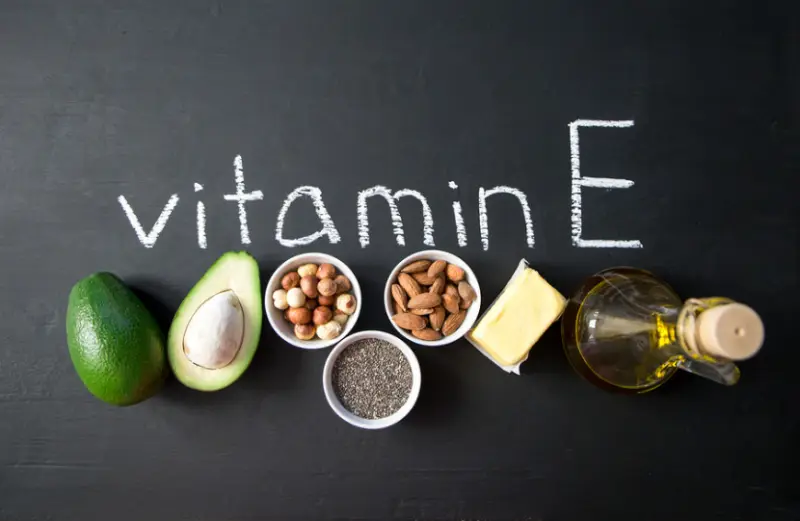
Vitamin E benefits mainly come from its role as a fat-soluble antioxidant that helps protect cells from oxidative stress. It also supports normal immune function, nerve health, muscle function, and the protection of cell membranes. Because vitamin E is fat-soluble, the body absorbs it better when it is taken with a meal that contains healthy fats.
Although vitamin E is often linked to skincare and anti-aging products, its role in the body is much broader. This guide explains what vitamin E is, how it works, where to find it in food, when deficiency may happen, and when supplements may or may not be appropriate.
Quick Summary: What Should You Know About Vitamin E?
- Vitamin E is a group of fat-soluble compounds, with alpha-tocopherol being the most important form for human nutrition.
- It helps protect cell membranes from oxidative stress.
- Good food sources include nuts, seeds, vegetable oils, avocado, and leafy greens.
- Vitamin E deficiency is uncommon in healthy people but may occur with fat malabsorption disorders.
- Most adults need about 15 mg of alpha-tocopherol per day.
- High-dose supplements are not suitable for everyone, especially people taking blood thinners.
What Is Vitamin E?
Vitamin E is not a single nutrient. It is a family of fat-soluble compounds that includes tocopherols and tocotrienols. Among these forms, alpha-tocopherol is the form the human body maintains most actively and uses to meet vitamin E requirements.
Vitamin E belongs to the same fat-soluble vitamin group as vitamins A, D, and K. This means it depends on dietary fat and bile for better absorption. To understand why this matters, review Vitaminati’s guide to water-soluble and fat-soluble vitamins, which explains how different vitamin types are absorbed and stored.
How Does Vitamin E Work as an Antioxidant?
Oxidative stress happens when the body produces more free radicals than it can neutralize. Free radicals are unstable molecules formed during normal metabolism, and they may increase with smoking, pollution, excess sun exposure, and some health conditions.
Vitamin E helps protect the fatty parts of cell membranes from oxidative damage. This is important because cell membranes contain lipids that can be vulnerable to oxidation.
Because of this role, vitamin E is often discussed as part of the body’s broader antioxidant defense system, alongside nutrients such as vitamin C, selenium, and zinc. For a related nutrient that also supports antioxidant balance through a different mechanism, you can read Vitaminati’s comprehensive guide to vitamin C benefits and deficiency.
Main Functions of Vitamin E in the Body
- Helps protect cell membranes from oxidative stress.
- Supports normal immune system function.
- Contributes to nerve and muscle health.
- Helps protect red blood cells from oxidative damage.
- Supports skin health as part of a balanced nutritional pattern.
- May influence processes related to platelet aggregation and blood clotting, which is important when considering high-dose supplements.
Vitamin E Benefits: What Does It Really Support?
1. Cell Protection Against Oxidative Stress
The best-established role of vitamin E is its antioxidant function. It helps protect lipids within cell membranes from oxidation, supporting cellular integrity and normal body function.
However, it is important to distinguish between getting vitamin E from food and taking high-dose supplements. Food sources provide vitamin E within a complete nutritional matrix, while high-dose supplements may not be appropriate for everyone.
2. Immune System Support
Vitamin E contributes to normal immune function partly because immune cells are sensitive to oxidative stress. Adequate vitamin E intake can help support the body’s natural immune defenses.
Still, vitamin E should not be described as a treatment for infections or as a guaranteed way to prevent illness. Its role is nutritional and supportive, not a replacement for medical care.
3. Nerve and Muscle Health
The nervous system depends on healthy cell membranes and protection from oxidative stress. Severe vitamin E deficiency may affect nerves and muscles, leading to symptoms such as muscle weakness, coordination problems, or numbness.
These symptoms are not usually caused by simple low intake in healthy people. They are more commonly linked to fat malabsorption disorders, rare genetic conditions, or specific medical situations.
4. Skin Health
Vitamin E is often linked to skin because it helps protect cell membranes and skin lipids from oxidative stress. Adequate intake from food may support skin health as part of a balanced diet that also includes protein, vitamin C, vitamin A, zinc, and healthy fats.
However, vitamin E supplements should not be presented as a cure for wrinkles, acne, scars, or sun damage. Skin health depends on many factors, including nutrition, hydration, sleep, sun protection, and medical skincare when needed. For another fat-soluble nutrient often discussed in skin and immune health, review Vitaminati’s article on the best types of vitamin A.
5. Heart Health: What Is the Accurate Message?
Vitamin E has been studied for heart health because of its antioxidant role, especially its potential relationship with LDL cholesterol oxidation. However, clinical studies have not shown that routine vitamin E supplementation prevents heart disease in the general population.
The more accurate message is that vitamin E supports antioxidant balance as part of overall nutrition, but it should not be promoted as a direct prevention strategy for heart disease. Heart health depends more strongly on a balanced diet, physical activity, blood pressure control, blood sugar control, cholesterol management, and medical follow-up when needed.
Vitamin E Deficiency: Causes and Risk Factors
Vitamin E deficiency is rare in healthy people who eat a varied diet. It becomes more likely when the body cannot absorb fat properly, because vitamin E needs fat and bile for absorption.
- Fat malabsorption disorders.
- Chronic liver or bile duct conditions that affect bile flow.
- Some pancreatic disorders.
- Rare genetic conditions affecting fat or vitamin E transport.
- Premature or very low birth weight infants, under specialist medical care.
- Very low-fat diets followed for long periods without proper nutritional planning.
If you want to understand why some people become more vulnerable to low nutrient levels, Vitaminati’s article on why vitamin deficiency is a common problem explains the role of diet, absorption, health conditions, and lifestyle factors.
Symptoms of Vitamin E Deficiency
Vitamin E deficiency cannot be diagnosed from symptoms alone, because the signs may overlap with other neurological, muscular, or nutritional problems. When deficiency is significant, possible symptoms may include:
- Muscle weakness.
- Numbness or tingling in the hands or feet.
- Difficulty with balance or coordination.
- Vision problems in severe cases.
- Weakened immune response.
Best Food Sources of Vitamin E
The best way to get vitamin E is usually through food. Natural food sources provide vitamin E together with healthy fats and other nutrients that support overall health.
- Sunflower seeds.
- Almonds, hazelnuts, and peanuts.
- Sunflower oil, safflower oil, and wheat germ oil.
- Olive oil in moderate amounts.
- Spinach, broccoli, and leafy greens.
- Avocado.
- Some fortified cereals.
For better absorption, include vitamin E-rich foods with a balanced meal that contains healthy fats. For example, you can add almonds to a snack, use olive oil with a salad, or eat leafy greens with avocado or another healthy fat source.
How Much Vitamin E Do You Need Daily?
Most adults need about 15 mg of alpha-tocopherol per day. Needs may vary by age and life stage, and breastfeeding women may require a higher amount according to some nutritional reference values.
| Group | Approximate Daily Amount |
|---|---|
| Adults | 15 mg per day |
| Pregnancy | 15 mg per day |
| Breastfeeding | May reach 19 mg per day, depending on the reference used |
Upper safe intake levels differ between scientific authorities. For this reason, high-dose vitamin E supplementation should not be used unless there is a clear medical reason and professional supervision.
When Do You Need a Vitamin E Supplement?
Most healthy people do not need a vitamin E supplement if their diet includes nuts, seeds, vegetable oils, leafy greens, and other nutrient-rich foods. Supplements may be considered in specific situations, such as:
- Confirmed vitamin E deficiency.
- Fat malabsorption disorders.
- Rare genetic conditions that affect vitamin E transport.
- Medical recommendation after evaluating diet, health status, and current medications.
If your concern is general fatigue, muscle weakness, or bone pain, it is useful to compare possible causes instead of assuming vitamin E is the issue. Vitaminati’s article on vitamin D deficiency symptoms explains another common deficiency pattern that can look different from vitamin E deficiency.
How to Choose a Vitamin E Supplement
If a supplement is needed, the best choice is not necessarily the highest dose. The right supplement depends on your health status, deficiency risk, medications, and professional guidance.
- Check the amount of vitamin E in milligrams, not only in IU.
- The natural form is commonly listed as d-alpha-tocopherol or RRR-alpha-tocopherol.
- The synthetic form is commonly listed as dl-alpha-tocopherol or all-rac-alpha-tocopherol.
- Avoid high daily doses unless advised by a healthcare professional.
- Choose products with clear labeling and reasonable doses.
Best Time to Take Vitamin E
Because vitamin E is fat-soluble, it is best taken with a meal that contains healthy fats. Examples include meals with olive oil, avocado, nuts, eggs, or fatty fish.
Taking it with food may also be gentler on the stomach and may improve absorption. This principle is similar to other fat-soluble vitamins, which is why timing and meal composition also matter when discussing nutrients such as vitamin K. For comparison, read Vitaminati’s comprehensive guide to vitamin K benefits and usage.
Side Effects and Drug Interactions
Vitamin E from food is generally safe as part of a normal diet. The main concern is usually high-dose supplementation, especially when used for long periods or combined with certain medications.
- High-dose supplements may increase bleeding risk.
- Vitamin E may interact with anticoagulant or antiplatelet medications such as warfarin or aspirin.
- Some people may experience digestive discomfort, nausea, or diarrhea.
- People with chronic conditions should avoid high-dose use unless approved by a clinician.
- People receiving chemotherapy or radiotherapy should ask their oncology team before using antioxidant supplements.
Does Vitamin E Work With Other Vitamins?
Vitamin E works within a wider nutrient network. Vitamin C supports antioxidant balance through a different mechanism, while vitamins A, D, and K have distinct roles in vision, immunity, bones, calcium balance, and clotting.
This is why vitamin E should not be viewed as a single solution. A balanced diet provides a combination of nutrients that work together, and supplements should be chosen based on actual need rather than trends.
Common Mistakes When Using Vitamin E
- Assuming that a higher dose means better results.
- Taking a supplement daily without confirmed deficiency or a clear reason.
- Using vitamin E with blood thinners without medical advice.
- Relying on vitamin E alone for skin health while ignoring sun protection, sleep, hydration, and diet.
- Taking multiple supplements that contain vitamin E without checking the total daily amount.
- Treating antioxidant supplements as a replacement for medical care.
Frequently Asked Questions About Vitamin E
Is vitamin E necessary every day?
Yes. The body needs vitamin E regularly, but most people can get enough from a balanced diet rather than supplements.
Is vitamin E good for the skin?
Vitamin E may support skin health through its antioxidant role, but it does not replace sunscreen, skincare, or medical treatment for skin conditions.
What is the best time to take vitamin E?
The best time is with a meal that contains healthy fats, especially if you are taking it as a supplement.
Is vitamin E deficiency common?
No. It is uncommon in healthy people but may occur in people with fat malabsorption disorders or rare genetic conditions.
What are the symptoms of vitamin E deficiency?
Possible symptoms include muscle weakness, numbness, balance problems, and vision issues in severe cases. A healthcare professional should evaluate these symptoms.
Can vitamin E be taken with blood thinners?
Not without medical advice. High-dose vitamin E may increase bleeding risk when combined with anticoagulant or antiplatelet medications.
Does vitamin E prevent heart disease?
Routine vitamin E supplementation is not proven to prevent heart disease in the general population. Heart health depends on a broader medical and lifestyle approach.
Does vitamin E cause weight gain?
Vitamin E itself does not cause weight gain. However, many vitamin E-rich foods, such as nuts and oils, are calorie-dense and should be eaten in reasonable portions.
Conclusion
Vitamin E is an essential nutrient that helps protect cells from oxidative stress and supports immune, nerve, muscle, and skin health. The best sources are natural foods such as nuts, seeds, vegetable oils, avocado, and leafy greens.
Supplements may be useful when deficiency or malabsorption is present, but they are not necessary for everyone. High-dose vitamin E should be used carefully, especially by people taking blood thinners or those with chronic health conditions.
This article is for general educational purposes only. If you are pregnant, breastfeeding, have a medical condition, take medications, or are considering supplements, consult a healthcare professional before use.