The Impact of Diet and Nutrition on Sexual Health: A Comprehensive Guide to Enhance Performance and Desire
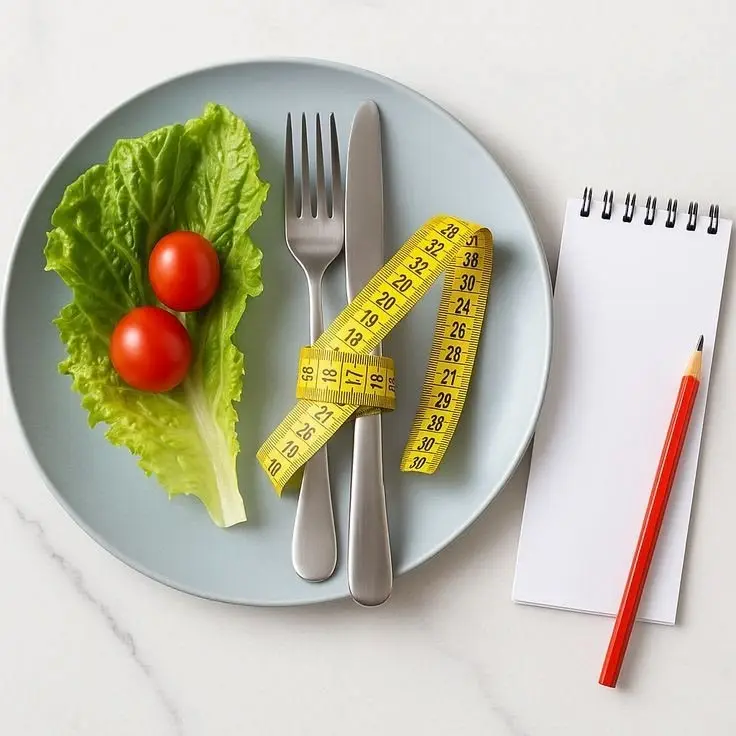
Nutrition and sexual health are connected through several essential systems in the body, including cardiovascular health, blood sugar regulation, hormonal balance, energy levels, and mental well-being. A balanced diet may therefore support sexual desire and response, but it does not act as an instant aphrodisiac and should not replace proper evaluation of persistent sexual concerns.
Conditions such as diabetes, high blood pressure, obesity, hormonal disorders, chronic stress, and certain medications may contribute to low libido, erectile difficulties, or reduced arousal. For this reason, diet should be viewed as one part of a broader lifestyle approach rather than a stand-alone treatment. You can also learn more about the causes and contributing factors of sexual dysfunction.
How Does Diet Affect Sexual Health?
Supporting Blood Vessel Health and Circulation
Sexual response in both men and women partly depends on adequate blood flow to the genital organs. Vascular disease, high blood pressure, elevated blood sugar, smoking, and abnormal cholesterol levels can interfere with this process.
A diet rich in vegetables, fruits, legumes, whole grains, fish, and nuts can support cardiovascular health. This may indirectly benefit sexual function, especially when the same dietary pattern also helps with weight management, blood sugar control, and healthy blood pressure.
Persistent erectile dysfunction may be linked to vascular or metabolic problems, so it should not be treated as a simple dietary issue. It may also be useful to review the risk factors associated with high blood pressure and vascular health.
Regulating Blood Sugar and Metabolic Health
Long-term high blood sugar can affect nerves, blood vessels, and hormones that are important for libido, arousal, erections, and comfort during sexual activity. Both men and women with diabetes may experience changes in desire or sexual response.
Eating more fiber, reducing added sugars, choosing whole grains, and distributing carbohydrate intake across meals may help support steadier blood sugar levels. You can explore this relationship further in our guide to type 2 diabetes.
Maintaining a Healthy Weight
Body weight alone does not determine sexual health, but excess visceral fat and insulin resistance may be associated with inflammation, vascular dysfunction, and hormonal changes. Body image, self-confidence, and fatigue may also affect sexual desire and satisfaction.
Gradual weight loss may improve certain cardiovascular and metabolic risk factors in people with overweight or obesity. Extreme diets and severe calorie restriction are not recommended because they may contribute to fatigue, loss of muscle mass, nutrient deficiencies, and menstrual disruption in some women.
When abdominal fat occurs together with high blood pressure, elevated blood sugar, or high triglycerides, it may be useful to learn more about metabolic syndrome and its associated risks.
Supporting Energy and Mood
Inadequate calorie, protein, iron, vitamin, or mineral intake may contribute to fatigue and reduced physical capacity. Chronic stress, poor sleep, and anxiety can also affect desire and sexual response, even when no clear physical disorder is present.
Fatigue does not automatically mean that supplements are needed because its causes are varied. You can review the nutrients linked to energy and fatigue and when symptoms may justify medical testing.
What Is the Best Diet for Supporting Sexual Health?
The Mediterranean dietary pattern is one of the most studied approaches for cardiovascular and metabolic health. Its potential value does not come from one specific food, but from the combined effect of fiber-rich foods, unsaturated fats, vitamins, minerals, and plant compounds.
A Mediterranean-style diet typically emphasizes:
- A wide variety of vegetables and fruits.
- Legumes such as lentils, chickpeas, and beans.
- Whole grains such as oats, bulgur, and brown rice.
- Unsalted nuts and seeds.
- Fish, particularly oily fish.
- Olive oil instead of butter, ghee, or solid fats.
- Moderate amounts of poultry, eggs, and dairy products.
- Lower intake of processed meats, added sugars, and highly processed foods.
The benefit of this pattern is linked to its support for vascular health, blood sugar regulation, and lower intake of saturated fats and refined carbohydrates. This is generally more meaningful than focusing on foods promoted as instant aphrodisiacs.
Important Nutrients for Sexual Health
Zinc: An Essential Nutrient, Not a Sexual Stimulant
Zinc is an essential mineral involved in the activity of many enzymes, protein and DNA synthesis, cell division, immune function, and normal reproductive processes. It is also required for healthy sperm production.
Severe or prolonged zinc deficiency may affect general health and some reproductive functions. However, taking extra zinc does not automatically raise testosterone or libido in people who already meet their nutritional needs.
Good dietary sources of zinc include:
- Oysters and seafood.
- Meat and poultry.
- Dairy products.
- Legumes.
- Nuts and seeds.
You can review our guide to zinc, its food sources, and safe use to understand daily requirements and the risks of excessive intake. Long-term use of high-dose zinc supplements may cause nausea, copper deficiency, and medication interactions.
Omega-3 Fatty Acids and Cardiovascular Health
Omega-3 fatty acids are part of cell membranes and support normal functions in the heart, blood vessels, and brain. DHA is also present in high concentrations in sperm cells, but this does not mean that fish oil supplements treat erectile dysfunction or infertility.
The clearest benefit comes from including fish in a balanced diet, particularly when it replaces foods high in saturated fat.
Important sources of omega-3 fatty acids include:
- Salmon.
- Sardines.
- Mackerel.
- Walnuts.
- Flaxseeds.
- Chia seeds.
You can learn more about food sources and supplements in our article on the benefits of omega-3 for heart and eye health.
Vitamin D: Correcting Deficiency Without Exaggerated Claims
Vitamin D helps maintain bone and muscle health and has roles in cell function and immunity. Low levels may be associated with fatigue or muscle weakness in some people, which can indirectly affect quality of life and activity levels.
However, there is not enough evidence to consider vitamin D an aphrodisiac or a direct treatment for sexual dysfunction. Therapeutic doses should be based on blood testing and professional assessment because excessive intake can raise calcium levels and cause health complications.
Dietary sources of vitamin D include:
- Oily fish.
- Egg yolks.
- Foods fortified with vitamin D.
- Certain mushrooms exposed to ultraviolet light.
Because low vitamin D levels are common in the region, you can read about vitamin D deficiency in the Middle East despite abundant sunlight.
Magnesium and Normal Nerve and Muscle Function
Magnesium is involved in hundreds of biochemical reactions related to energy production, muscle and nerve function, blood sugar regulation, and blood pressure. A deficiency may affect energy levels, muscles, or general well-being, but magnesium is not a direct treatment for low libido or erectile dysfunction.
Good dietary sources of magnesium include:
- Nuts and seeds.
- Legumes.
- Whole grains.
- Leafy green vegetables.
- Avocado.
You can review the functions and potential benefits of magnesium before considering supplements.
L-Arginine, Citrulline, and Blood Flow
L-arginine is an amino acid the body uses to produce nitric oxide, a compound involved in blood vessel relaxation. Citrulline can also be converted into arginine in the body.
These compounds or their precursors are found in nuts, seeds, legumes, fish, poultry, and watermelon. Their presence in food does not make these foods a substitute for medical assessment or evidence-based treatment for erectile dysfunction.
Research results on arginine supplements vary according to the dose and the population studied. Supplements may cause digestive discomfort or low blood pressure and may interact with blood pressure medicines, nitrates, and some erectile dysfunction medications. People with cardiovascular conditions should not use them without professional advice.
Antioxidants and Fertility
Oxidative stress may affect many cells in the body, including reproductive cells. However, high-dose antioxidant supplements do not guarantee improved fertility. Vegetables, fruits, nuts, seeds, and whole grains remain the preferred way to obtain a broad range of plant compounds and nutrients.
Men planning for pregnancy may find it useful to review our evidence-based guide to antioxidants and male fertility to understand the difference between food sources and supplements.
Foods That Can Be Included in a Balanced Diet
Leafy Green Vegetables
Leafy greens such as spinach, arugula, and lettuce provide folate, magnesium, and naturally occurring dietary nitrates. They can be included in salads and main meals as part of a varied diet.
Berries and Citrus Fruits
These fruits provide vitamin C and a range of plant compounds. Choosing whole fruit instead of sweetened juice also provides fiber and may reduce rapid increases in blood sugar.
Pomegranate
Pomegranate contains polyphenols and antioxidants and can be included in a healthy diet. It is not a proven treatment for erectile dysfunction, and no specific amount has been shown to guarantee improved performance.
Oily Fish
Oily fish provides protein, omega-3 fatty acids, and several vitamins and minerals. It can be included in weekly meals as an alternative to processed meats or fried foods.
Nuts and Seeds
Nuts and seeds provide unsaturated fats, magnesium, zinc, and plant protein. Unsalted varieties are preferable, and portions should remain moderate because these foods are energy-dense.
Legumes
Lentils, chickpeas, and beans provide fiber, plant protein, and minerals. They may support satiety and blood sugar control when used instead of refined foods or processed meats.
Dark Chocolate
Dark chocolate contains plant compounds and can be consumed in small amounts as part of a balanced diet. It is not a guaranteed sexual stimulant, and some products contain substantial amounts of sugar and calories.
Watermelon
Watermelon contains citrulline, but it does not provide a guaranteed drug-like effect. The amount found in food is also not equivalent to the supplement doses used in some clinical studies.
Which Foods and Habits May Negatively Affect Sexual Health?
Saturated Fats and Fried Foods
Frequent intake of processed meats, fried foods, butter, ghee, and fast food may make it more difficult to manage cholesterol, body weight, and vascular health.
Added Sugars and Refined Carbohydrates
Sugary drinks, sweets, white bread, and highly processed snack foods may contribute to excess calorie intake and poor blood sugar control when consumed regularly.
Excess Sodium
A high sodium intake may make blood pressure more difficult to control in some people, which can affect cardiovascular and vascular health.
Excessive Alcohol Intake
Alcohol may affect the nervous system, hormones, and sexual response. It may also interact with medications. Starting to drink alcohol for relaxation or sexual performance is not recommended.
Extreme Dieting
Severe food restriction may cause inadequate energy, protein, and nutrient intake, menstrual disruption, loss of muscle mass, and mood changes. These effects may negatively influence libido and general well-being.
A Practical Example of a Balanced Meal
A balanced plate that supports overall and vascular health can be structured as follows:
- Half the plate from a variety of vegetables.
- One quarter from protein such as fish, poultry, lentils, or chickpeas.
- One quarter from whole grains such as bulgur, brown rice, or whole-grain bread.
- A moderate amount of olive oil or nuts.
- A whole piece of fruit instead of sweetened juice.
- Water as the main beverage.
These habits are most effective when combined with regular physical activity, adequate sleep, smoking cessation, stress management, and a medication review when sexual changes occur.
Does Pelvic Floor Health Affect Sexual Function?
Sexual health is not determined by nutrition alone. The strength and coordination of the pelvic floor muscles may affect continence, erections, orgasm, and pain during sexual activity. In some cases, the muscles are overly tense rather than weak.
Our guide to pelvic floor health and sexual function explains when exercises may help and when professional assessment may be needed.
Are Supplements Necessary for Sexual Health?
Most people do not need special sexual health supplements if they eat a balanced diet and do not have a confirmed deficiency. Supplements may be appropriate in selected cases, such as a documented deficiency in vitamin D, zinc, iron, or another nutrient, but the dose should be based on laboratory results and individual health needs.
Products marketed as natural sexual enhancers or quick alternatives to medication should be approached cautiously. Some may contain undeclared ingredients, inappropriate doses, or substances that interact with medicines used for heart disease or high blood pressure. The word “natural” does not automatically mean that a product is safe.
Professional advice is especially important for people who are pregnant or breastfeeding, those with heart, kidney, or liver disease, and anyone taking blood pressure medicines, blood thinners, diabetes medicines, or nitrates.
When Should You Speak With a Healthcare Professional?
Medical evaluation is recommended when low libido, erectile difficulty, reduced arousal, pain during sexual activity, severe vaginal dryness, unexplained fatigue, menstrual changes, hormonal symptoms, or fertility problems persist.
A healthcare professional may review blood pressure, blood sugar, cholesterol, thyroid function, hormone levels, and current medications. Prescribed medicines should not be stopped because of possible sexual side effects without first consulting the prescribing clinician.
Frequently Asked Questions About Nutrition and Sexual Health
Can Diet Treat Erectile Dysfunction?
A healthy diet may improve risk factors linked to vascular health, diabetes, and body weight, but it does not treat every cause of erectile dysfunction and does not replace medical evaluation.
What Is the Best Diet for Sexual Health?
A Mediterranean-style dietary pattern is a practical option because it emphasizes vegetables, fruits, legumes, whole grains, fish, and unsaturated fats.
Does Zinc Increase Testosterone and Libido?
Correcting zinc deficiency may be beneficial, but extra zinc does not guarantee higher testosterone or libido in people who already meet their needs.
Does Vitamin D Improve Sexual Desire?
There is not enough evidence to use vitamin D as a sexual stimulant. A confirmed deficiency should be corrected to support general health under appropriate medical guidance.
Are Chocolate, Pomegranate, and Watermelon Aphrodisiacs?
They can be included in a balanced diet, but they do not provide a guaranteed therapeutic effect and do not treat vascular, hormonal, or psychological causes of sexual dysfunction.
Are Supplements Necessary?
Not for everyone. They should be used when there is a specific need or confirmed deficiency, after reviewing the dose, medical history, and possible interactions.
Do Men and Women Benefit From the Same Dietary Pattern?
Both men and women benefit from dietary patterns that support vascular, metabolic, and general health, although the causes of sexual concerns may differ and require individual evaluation.
How Long Does It Take for Dietary Changes to Make a Difference?
There is no fixed timeline. Energy levels, blood sugar, blood pressure, and other health markers may improve gradually over weeks or months, while persistent sexual symptoms should be medically assessed.
Scientific References
- National Institute of Diabetes and Digestive and Kidney Diseases: Eating, Diet, and Nutrition for Erectile Dysfunction
- NIH Office of Dietary Supplements: Zinc Fact Sheet for Health Professionals
- NIH Office of Dietary Supplements: Magnesium Fact Sheet for Health Professionals
- NIH Office of Dietary Supplements: Vitamin D Fact Sheet for Health Professionals
- NIH Office of Dietary Supplements: Omega-3 Fatty Acids Fact Sheet for Health Professionals
- Systematic Review and Meta-Analysis on Dietary Patterns and Erectile Function
Medical disclaimer: This article is for general educational purposes and is not intended to diagnose or treat sexual health conditions. If you have a medical condition, take medications, or are considering supplements, consult a physician or pharmacist.
""" path = "/mnt/data/Vitaminati_Nutrition_and_Sexual_Health_English_HTML.txt" with open(path, "w", encoding="utf-8") as f: f.write(english_html) path