Top Vitamin A Benefits and Sources: Essential Nutrient for Health
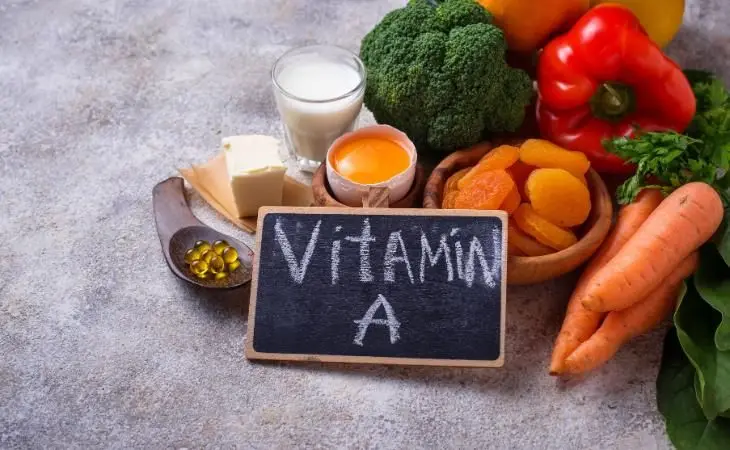
Vitamin A Benefits and Food Sources: A Complete Health Guide
Vitamin A is a fat-soluble vitamin that plays essential roles in vision, immune function, skin health, growth, reproduction, and normal cell development. Understanding vitamin A benefits, food sources, safe intake, and toxicity risks can help you get enough of this nutrient without overusing supplements.
Vitamin A is not found in one single form. It exists as preformed vitamin A, such as retinol and retinyl esters, mainly in animal foods, and as provitamin A carotenoids, such as beta-carotene, in plant foods. This difference matters because preformed vitamin A can accumulate in the body when taken in excess, while beta-carotene from food is generally converted into vitamin A according to the body’s needs.
For a broader introduction, you can read Vitaminati’s complete guide to vitamin A, or explore the detailed article on vitamin A benefits.
Key Takeaways
- Vitamin A is essential for normal vision, especially vision in low light.
- It supports the skin and mucous membranes, which act as protective barriers.
- Vitamin A contributes to immune function, growth, reproduction, and normal cell development.
- Retinol is found in animal foods such as liver, eggs, dairy products, and fish liver oil.
- Beta-carotene is found in colorful plant foods such as carrots, sweet potatoes, spinach, pumpkin, and apricots.
- Beta-carotene from food is generally safer because the body converts it into vitamin A as needed.
- Excess preformed vitamin A from supplements or frequent liver consumption may cause toxicity.
- Pregnant women should avoid high-dose preformed vitamin A unless advised by a healthcare professional.
What Is Vitamin A?
Vitamin A is a fat-soluble vitamin, meaning it is better absorbed when eaten with a meal that contains dietary fat. The body can store vitamin A, mainly in the liver, which is why excessive intake from supplements or highly concentrated animal sources can become harmful over time.
Vitamin A exists in two main dietary forms:
| Form | Source | How the Body Uses It |
|---|---|---|
| Preformed vitamin A Retinol / Retinyl esters |
Animal foods such as liver, eggs, dairy products, and fish liver oil. | Absorbed directly and can accumulate if taken in excess. |
| Provitamin A carotenoids Beta-carotene |
Plant foods such as carrots, sweet potatoes, spinach, pumpkin, and apricots. | Converted into vitamin A as needed, making food-based beta-carotene generally safer. |
To compare the different forms of vitamin A more clearly, read Vitaminati’s guide to the best types of vitamin A.
Vitamin A Benefits for the Body
The benefits of vitamin A are wide-ranging, but they should be described accurately. Vitamin A is not a cure for diseases, but it is an essential nutrient that helps the body perform several normal biological functions.
1. Supports Eye Health and Night Vision
One of the best-known benefits of vitamin A is its role in vision. Vitamin A is needed to form rhodopsin, a light-sensitive pigment in the retina that helps the eyes adjust to low-light conditions.
When vitamin A levels are too low, a person may develop night blindness, which means difficulty seeing in dim light. Severe deficiency can also contribute to dry eyes, corneal damage, and in extreme cases, vision loss. You can learn more in Vitaminati’s article on vitamin A for eye health, skin, and immune support.
2. Supports Immune Function and Mucous Membranes
Vitamin A helps maintain the skin and mucous membranes of the respiratory, digestive, and urinary tracts. These tissues act as physical barriers that help protect the body from germs.
Vitamin A also contributes to the development and function of certain immune cells. When deficiency is present, immune response may be affected, especially in children or people with poor nutrition. However, vitamin A should not be presented as a supplement that directly prevents infections on its own. It works as part of a complete, balanced diet.
3. Supports Skin Health and Cell Renewal
Vitamin A is involved in cell growth and differentiation, which makes it important for healthy skin. Some vitamin A derivatives, called retinoids, are used medically in certain skin conditions such as acne, but this is different from taking dietary vitamin A supplements.
Vitamin A supplements should not be used to treat acne without medical advice, especially if a person is using retinoid medications such as isotretinoin. Combining high vitamin A intake with retinoid drugs may increase toxicity risk.
4. Supports Growth and Reproduction
Vitamin A is important for normal growth, tissue development, reproductive function, and fetal development. During pregnancy, adequate vitamin A intake is important, but excess preformed vitamin A can be dangerous.
Pregnant women should avoid high-dose vitamin A supplements unless specifically recommended by a healthcare professional. Too much preformed vitamin A during pregnancy may increase the risk of birth defects.
5. Supports Bone Health — With Balance
Vitamin A contributes to normal growth and tissue development, but its relationship with bone health requires balance. Deficiency can affect growth and health, while long-term excessive intake of preformed vitamin A may be associated with bone-related concerns in some people.
The goal is not to take as much vitamin A as possible. The goal is to meet daily needs without exceeding safe limits.
6. Plays a Role in Normal Cell Development
Vitamin A helps regulate cell growth and differentiation. This is important for general health, but it does not mean vitamin A prevents or treats cancer. Some research explores carotenoids and long-term health, but high-dose beta-carotene supplements may be harmful for certain groups, including smokers.
Vitamin A for Eye Health: When Deficiency Becomes Serious
Vitamin A deficiency is strongly linked to eye problems, especially in areas where malnutrition is common. Eye symptoms are among the most important clinical signs of severe deficiency.
- Night blindness: difficulty seeing in dim light; often one of the earliest signs of deficiency.
- Dry eyes: may occur in more severe and prolonged deficiency.
- Bitot’s spots: foamy patches on the surface of the eye in some deficiency cases.
- Corneal damage: a serious complication of severe deficiency that may lead to vision loss.
Any persistent vision problem should be evaluated by a healthcare professional, because eye symptoms can have many causes and should not be assumed to be caused by vitamin A deficiency alone.
Animal Sources of Vitamin A
Animal foods provide preformed vitamin A, which the body can use directly. These sources can be effective, but highly concentrated foods should be eaten carefully.
| Animal Source | Important Notes |
|---|---|
| Beef or chicken liver | One of the richest sources of vitamin A. A single serving can contain a very high amount, so frequent intake is not recommended for everyone. |
| Cod liver oil | Contains vitamin A and vitamin D. It may increase the risk of excessive intake if combined with other supplements. |
| Egg yolks | A moderate source of preformed vitamin A within a balanced diet. |
| Milk and dairy products | May contain natural or added vitamin A depending on the product and country. |
| Cheese and butter | Contain vitamin A, but may also be high in saturated fat, so moderation is important. |
| Fatty fish | Can provide several nutrients, although vitamin A content varies by fish type. |
Safety note: Liver is extremely rich in vitamin A. Eating it frequently or combining it with vitamin A supplements may increase the risk of excessive intake.
Plant Sources of Vitamin A: Beta-Carotene
Plant foods usually provide carotenoids, especially beta-carotene, which the body can convert into vitamin A. Colorful vegetables and fruits are excellent sources and are generally safer for most people than high-dose preformed vitamin A supplements.
| Plant Source | Why It Matters |
|---|---|
| Sweet potatoes | One of the richest plant sources of beta-carotene. |
| Carrots | A well-known source of beta-carotene; the orange color reflects carotenoid content. |
| Spinach and kale | Dark leafy greens rich in carotenoids and other nutrients. |
| Pumpkin | A good plant source of carotenoids. |
| Red bell peppers | Provide carotenoids and vitamin C at the same time. |
| Apricots and cantaloupe | Orange fruits that provide beneficial carotenoids. |
| Broccoli | Provides carotenoids along with fiber and other vitamins. |
A practical rule: orange, yellow, and dark green fruits and vegetables are often good sources of carotenoids.
How Much Vitamin A Do You Need Daily?
Vitamin A needs are often measured in RAE, or retinol activity equivalents, because retinol and carotenoids are absorbed and converted differently.
| Group | Approximate Daily Requirement |
|---|---|
| Adult men | 900 mcg RAE per day |
| Adult women | 700 mcg RAE per day |
| Pregnancy | 770 mcg RAE per day, while avoiding high-dose preformed vitamin A unless medically advised |
| Breastfeeding | 1,300 mcg RAE per day |
| Children 1–3 years | 300 mcg RAE per day |
| Children 4–8 years | 400 mcg RAE per day |
| Adult upper limit for preformed vitamin A | 3,000 mcg RAE per day |
Important: The upper limit applies to preformed vitamin A, such as retinol and retinyl esters, not to beta-carotene naturally found in food.
Vitamin A Deficiency Symptoms
Vitamin A deficiency is less common in people who eat a varied diet, but it can occur in people with malnutrition, fat malabsorption, or very limited food intake.
Possible symptoms include:
- Night blindness or difficulty seeing in dim light.
- Dry or irritated eyes in more severe cases.
- Dry skin.
- Impaired immune response when deficiency is significant.
- Growth problems in children with poor nutrition.
- Slow wound healing.
These symptoms can have many causes, so vitamin A deficiency should not be diagnosed based on symptoms alone.
Who Is at Higher Risk of Vitamin A Deficiency?
- Children in areas where malnutrition is common.
- Pregnant or breastfeeding women with inadequate dietary intake.
- People with fat malabsorption disorders.
- People with certain liver, pancreatic, or intestinal diseases.
- People following very restrictive diets without enough variety.
- Children with poor nutrition or repeated infections in high-risk settings.
Can You Take Too Much Vitamin A?
Yes. Because vitamin A is fat-soluble and stored in the liver, excessive intake of retinol or high-dose vitamin A supplements may cause toxicity.
Possible signs of excess vitamin A include:
- Nausea or vomiting.
- Headache or dizziness.
- Dry or peeling skin.
- Bone or joint pain.
- Fatigue.
- Liver problems with chronic high intake.
- Increased risk of birth defects when high-dose preformed vitamin A is taken during pregnancy.
Very high beta-carotene intake from food may turn the skin yellow-orange, but it does not usually cause the same vitamin A toxicity risk as preformed vitamin A. However, high-dose beta-carotene supplements are not suitable for everyone, particularly smokers, unless medically advised.
Vitamin A Interactions With Medications
Vitamin A supplements may interact with some medications. Always tell your doctor or pharmacist if you use supplements, especially if you take chronic medications.
| Medication or Category | Interaction or Safety Concern |
|---|---|
| Retinoids such as isotretinoin or acitretin | Avoid combining with high-dose vitamin A supplements to reduce toxicity risk. |
| Orlistat | May reduce absorption of vitamin A and other fat-soluble vitamins; supplement timing may need medical guidance. |
| Medications that may affect the liver | High vitamin A intake may increase liver burden, so caution is needed. |
| Warfarin or blood thinners | Ask a doctor before using high-dose supplements because of possible safety concerns. |
| Multivitamins containing vitamin A | Using multiple products may unintentionally double the dose. |
How to Get Vitamin A Safely
- Vary your food sources: combine plant sources such as carrots, sweet potatoes, and leafy greens with moderate animal sources such as eggs and dairy products.
- Do not overeat liver: it is highly concentrated in preformed vitamin A.
- Eat vitamin A with healthy fats: fat improves absorption of fat-soluble vitamins.
- Read supplement labels: especially if you use multivitamins or cod liver oil.
- Be cautious during pregnancy: avoid high-dose preformed vitamin A unless medically advised.
- Avoid random supplement stacking: especially with retinoid medications or multiple vitamin products.
To better understand supplement doses and warnings, read Vitaminati’s article on how to read vitamin supplement labels.
FAQs About Vitamin A Benefits
What are the main benefits of vitamin A?
Vitamin A supports vision, immune function, skin and mucous membrane health, growth, reproduction, and normal cell development. It does not replace a balanced diet or medical care.
What are the best food sources of vitamin A?
Animal sources include liver, eggs, and dairy products. Plant sources include sweet potatoes, carrots, spinach, pumpkin, and apricots.
What are the symptoms of vitamin A deficiency?
Possible symptoms include night blindness, dry eyes, dry skin, impaired immune response in deficiency states, and slow wound healing.
Can you take too much vitamin A?
Yes. Excess preformed vitamin A from supplements or frequent liver intake may cause toxicity and may affect the liver, bones, skin, and pregnancy safety.
Is beta-carotene safe?
Beta-carotene from food is generally safer because the body converts it into vitamin A as needed. High-dose beta-carotene supplements may not be appropriate for smokers or some high-risk groups unless advised by a healthcare professional.
Is vitamin A safe during pregnancy?
Adequate vitamin A from food is important during pregnancy, but high-dose preformed vitamin A may harm fetal development. Pregnant women should consult a healthcare professional before using supplements that contain vitamin A.
Conclusion
The benefits of vitamin A are well established: it supports vision, immune function, skin and mucous membrane health, growth, reproduction, and normal cell development. However, safety depends on the form, source, and dose.
Plant foods rich in beta-carotene, such as carrots, sweet potatoes, pumpkin, spinach, and apricots, are excellent choices for most people. Animal foods such as eggs and dairy products can also contribute, while liver and high-dose supplements require more caution due to their high preformed vitamin A content.
A varied diet is the safest way to meet vitamin A needs for most people. Supplements should be used only when there is a real need, confirmed deficiency, or professional recommendation. Avoid high-dose vitamin A without medical supervision, especially during pregnancy, liver disease, retinoid use, or when taking multiple supplements.
To understand the broader role of essential nutrients, read Vitaminati’s article on the difference between vitamins and minerals.
Medical disclaimer: This article is for general educational purposes only and does not replace medical advice. Consult a doctor or pharmacist before using vitamin A supplements, especially during pregnancy, breastfeeding, liver disease, retinoid medication use, or chronic medication use.
Scientific References
- NIH Office of Dietary Supplements: Vitamin A and Carotenoids Fact Sheet for Health Professionals
- NIH Office of Dietary Supplements: Vitamin A and Carotenoids Fact Sheet for Consumers
- World Health Organization: Vitamin A Deficiency
- EFSA: Dietary Reference Values for Vitamin A
- EFSA Scientific Opinion: Tolerable Upper Intake Level for Preformed Vitamin A
- Mayo Clinic: Vitamin A Overview