Visiting Graves: Between Loyalty to the Departed and Excess that Hinders Life
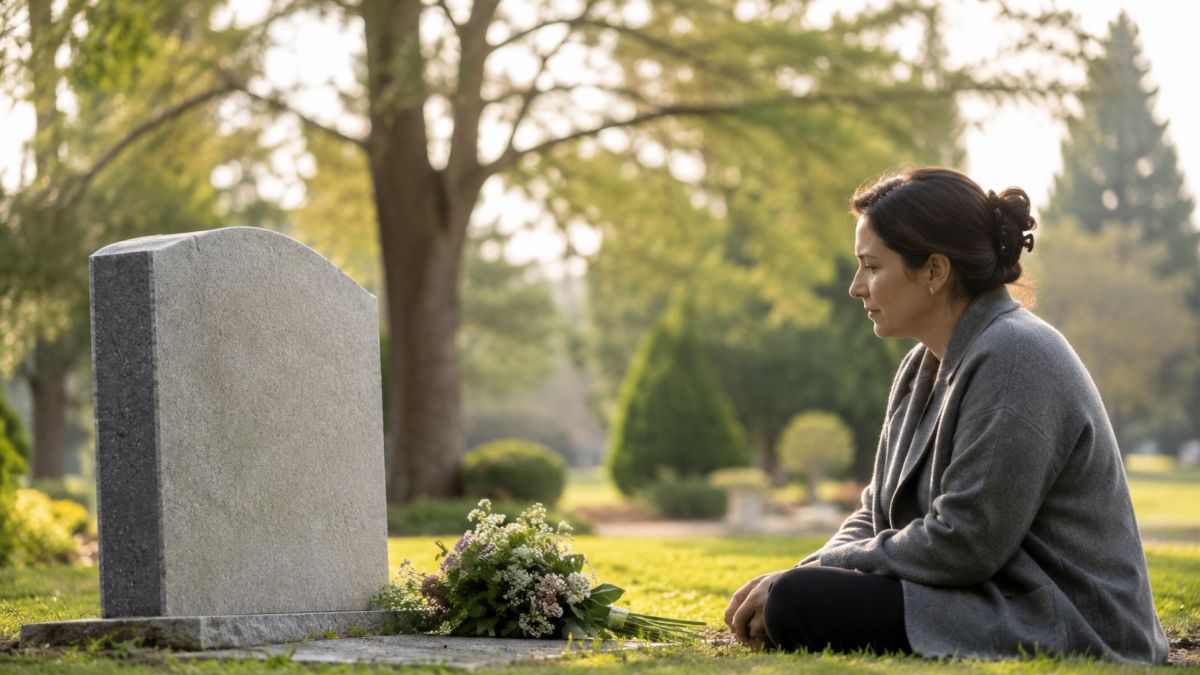
Visiting graves represents, in many societies, a religious, social, and human practice that expresses loyalty to the deceased, preserves their memory, includes prayers for them, and reminds people of the reality of death and the value of life. This visit may help some people accept loss and express grief in a calm way, especially when it is part of social rituals that provide support and consolation for the family.
However, visiting graves, like other behaviors related to grief, may shift for some people from a balanced practice into excessive preoccupation that affects their psychological, family, and social life. The problem here is not the visit itself, but rather its motives, frequency, and the thoughts, emotions, and behaviors that accompany it.
Visiting as a way to express grief
After the death of a loved one, a person usually goes through mixed feelings, such as sadness, longing, anger, loneliness, and perhaps guilt over things that happened or did not happen before the death. Visiting the grave may provide a symbolic space to express these feelings, recall memories, and feel a psychological connection with the deceased.
Continuing to love and miss the deceased does not necessarily mean there is a psychological disorder. Emotional bonds do not end with death; rather, their form changes. Recovery from grief does not mean forgetting the deceased or stopping prayers for them. It means that the person becomes able to preserve their memory while continuing life and fulfilling responsibilities.
When does visiting become excessive?
Excess appears when visiting the grave becomes compulsively repeated, or when the person feels unable to feel reassured or continue daily life unless they visit. They may spend long hours in the cemetery, neglect work, family, and health, or refuse to participate in any social activity under the claim of loyalty to the deceased.
This may be accompanied by intense guilt when not visiting, or the belief that returning to normal life is a betrayal of the memory of the departed. In some cases, the visit becomes a way to escape reality and avoid facing life responsibilities, instead of being a natural part of adapting to loss.
Warning signs also include persistent and disabling grief for a long time, social isolation, sleep and appetite disturbance, loss of the ability to enjoy life, constant preoccupation with death, and decline in work or academic performance. Understanding the relationship between stress and daily mental health may help identify when a person needs additional support.
Guilt behind repeated visits
Frequent grave visits may be linked to an unspoken sense of guilt. The person may believe that they failed to care for the deceased, did not express enough love, or were the cause of their sadness. They may try to compensate for this feeling through repeated visits or by staying for a long time beside the grave.
However, guilt does not always disappear through repeated visits. It may increase when the visit turns into an obligatory ritual. What is helpful here is supporting the person in reviewing their thoughts realistically and distinguishing between true responsibility and self-blame or exaggerated guilt.
Normal grief and prolonged grief
People differ in how they grieve and how long their grief lasts, and there is no single duration that applies to everyone. One person may cry often, while another may remain silent or become occupied with work. Some people may need to visit the grave more than others, and this is not a disorder by itself.
However, some experiences of loss may lead to what is known as prolonged grief disorder, where longing, pain, and preoccupation with the deceased remain so intense that they prevent the person from restoring their usual life and functioning. Grief may sometimes overlap with depression, anxiety, or symptoms of psychological trauma, especially when the death was sudden or violent.
These cases should not be handled with blame or by asking the person to forget the deceased. They require understanding and support, and they may benefit from specialized psychological assessment and therapy.
The role of family and society
The social environment may sometimes encourage certain forms of excess when it links loyalty with frequent crying, ongoing isolation, or repeated visits, while viewing returning to work, smiling, and enjoying life as forgetting the deceased.
This view is inaccurate. Loyalty is not measured by the amount of pain a person imposes on themselves. It can be expressed through prayer, charity, good deeds, caring for the deceased person’s family, and preserving their values and good memories. Returning to life does not mean denying grief; it is part of healthy adaptation to it.
Children and grave visits
Children should be taken to cemeteries with caution. A visit may help a child understand the reality of death if it is presented in a simple and calm way that suits their age. However, it may cause fear if it is associated with intense screaming, highly emotional scenes, or frightening talk about death.
It is important not to force the child to visit, to answer their questions honestly without frightening details, and to reassure them that sadness and crying are natural feelings. They also have the right to play, feel joy, and continue their life.
How can grave visits remain balanced?
Grave visits are more balanced when they happen by the person’s choice, not out of compulsion or fear, and when they bring calm rather than deepen emotional collapse. They should not disrupt duties, relationships, or health. It is important for the person to balance the right to grieve with the right to live, and to find other ways to preserve the memory of the deceased, such as prayer, helping those in need, speaking about beautiful memories, and continuing beneficial actions that the departed person valued.
When the visit becomes the only way to feel connected to the deceased, or when it causes severe distress and disrupts life, it may be useful to consult a psychiatrist or psychotherapist. The goal of therapy is not to erase the memory, but to help the person carry it in a compassionate way that does not deprive them of the present and the future.
Conclusion
Visiting graves is a human practice that may carry meanings of loyalty, prayer, and reflection, and it can be a healthy part of dealing with loss. However, excess in grave visiting may point to unresolved grief, intense guilt, anxiety, depression, or psychological dependence on the visit.
Respecting the deceased does not require the lives of the living to stop. A sincere memory remains in the heart, and true loyalty combines prayer for the departed with care for those who remain alive, and combines natural grief with the ability to continue the path forward.
Walid Sarhan
14-6-2026