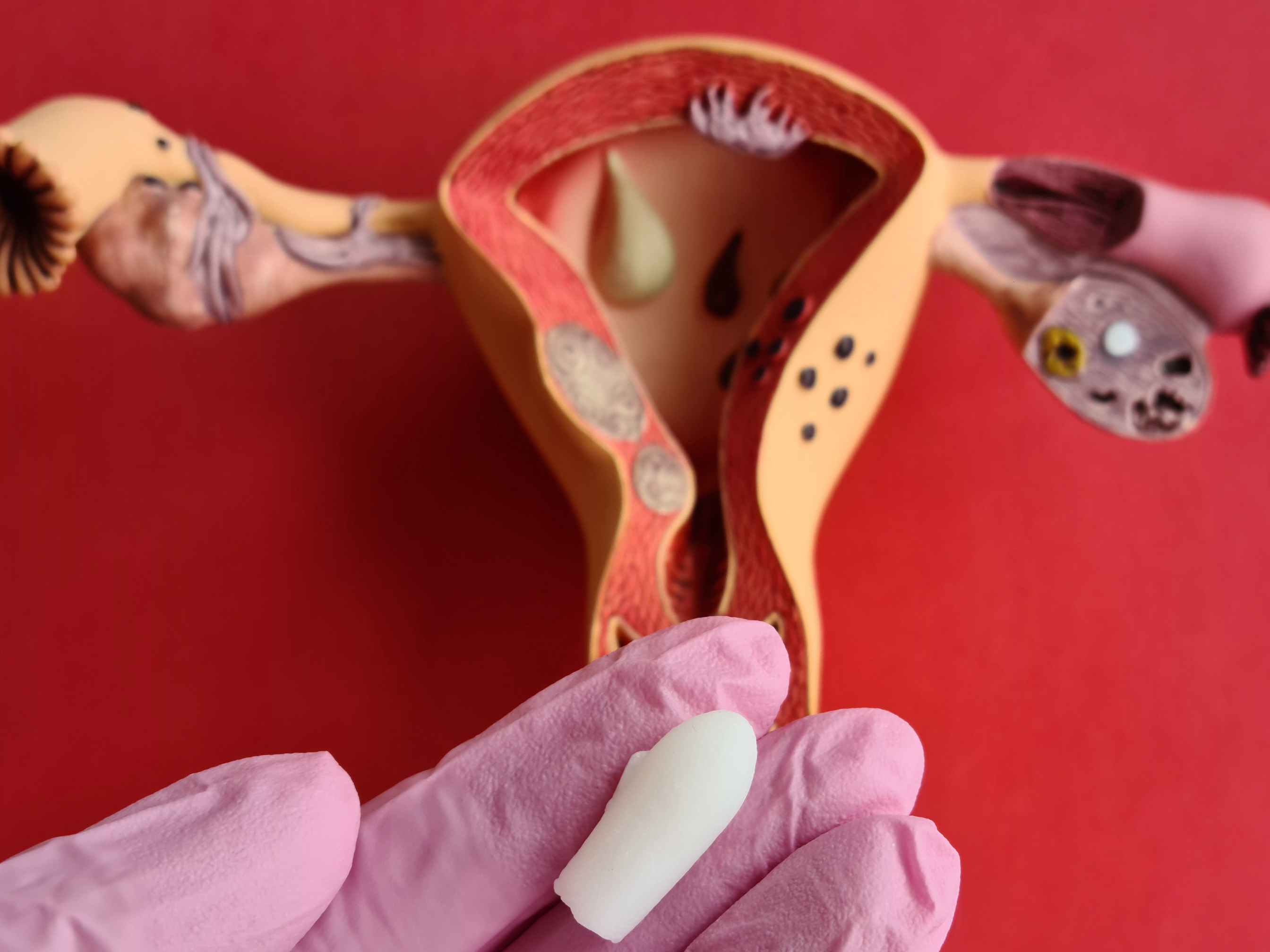
The Importance of Vaginal Health
Vaginal health is an integral part of a woman’s overall well-being. It impacts personal comfort, reproductive functions, and sexual health. When the vaginal environment is balanced, it acts as a natural barrier against infections, irritation, and other complications. However, when there is a disruption in bacterial balance or hormonal changes, health issues may arise that affect both daily life and intimacy.
Therefore, proper vaginal care involves maintaining good hygiene, choosing breathable clothing, and following a balanced diet. These habits, in turn, help protect the natural vaginal flora (beneficial bacteria) and reduce the risk of infections and other complications.
Common Vaginal Health Issues
Women may face several vaginal issues due to hormonal changes, infections, environmental factors, or lifestyle habits. Below, you’ll find the most common problems and their possible causes:
Yeast Infection (Candidiasis)
This condition occurs due to the overgrowth of Candida fungi. As a result, it can lead to:
Intense itching, irritation, and redness
Thick, white, cheese-like discharge
Possible causes include:
Use of antibiotics, which eliminate beneficial bacteria
High sugar consumption, as it feeds the yeast
Wearing tight or non-cotton underwear, which increases moisture
To prevent this:
Wear breathable cotton underwear and avoid prolonged dampness
Eat probiotic-rich foods like yogurt to support bacterial balance
Reduce intake of sugars and refined carbohydrates
Bacterial Vaginosis (BV)
This occurs when the balance between good and harmful bacteria in the vagina is disrupted. Typical symptoms include:
A strong, fishy odor
Grayish or white discharge
Mild burning or irritation
Some common causes are:
Frequent vaginal douching, which destroys beneficial bacteria
Unprotected sex, which alters the bacterial balance
Hormonal shifts during pregnancy or contraceptive use
To reduce the risk:
Avoid using scented washes or douches
Use condoms during sex to protect the vaginal flora
Urinary Tract Infections (UTIs)
Although not a direct vaginal issue, UTIs are closely linked to the transfer of bacteria from the vaginal area to the urinary tract.
Symptoms typically include:
A burning sensation while urinating
Frequent urge to urinate, with only small amounts passed
Lower abdominal or pelvic discomfort
To help prevent UTIs:
Drink plenty of water to flush out bacteria
Urinate after intercourse to minimize bacterial transfer
Always wipe from front to back after using the toilet
Vaginal Dryness
This condition is common during menopause, after childbirth, or due to medications like antidepressants or hormonal contraceptives.
It may cause:
Pain during intercourse due to reduced natural lubrication
Itching or irritation in the intimate area
To prevent or manage it:
Stay hydrated throughout the day
Eat foods rich in omega-3s such as fish and nuts
Use natural vaginal moisturizers or water-based lubricants during sex
Sexually Transmitted Infections (STIs)
These include infections such as chlamydia, gonorrhea, genital herpes, and HPV.
Possible signs include:
Yellow or green abnormal discharge
Pain in the pelvic area or while urinating
Sores or blisters in the genital region
For prevention:
Practice safe sex using condoms
Get regular screenings, especially if you have multiple partners
How to Maintain Vaginal Health
1. Personal Hygiene
Use warm water and mild, unscented soap to wash the outer vaginal area only
Avoid vaginal douching, as it disrupts the natural flora
Always wipe from front to back to prevent bacterial spread
2. Healthy Nutrition
Eat probiotic-rich foods such as yogurt, kefir, and fermented vegetables
Drink plenty of water to stay hydrated and maintain vaginal moisture
Cut down on sugar and refined carbs, which promote yeast growth
3. Comfortable Clothing
Choose cotton underwear for better airflow
Avoid tight-fitting clothes and damp conditions for extended periods
4. Avoid Harmful Products
Stay away from scented washes, pads, and harsh chemicals
Opt for pH-balanced products that preserve the natural vaginal environment
5. Manage Stress and Hormonal Balance
Practice relaxation techniques like yoga or meditation
Get sufficient sleep and reduce stress to maintain hormonal stability
When Should You See a Doctor?
If you experience any of the following, it’s best to consult a healthcare provider:
Persistent itching or burning that doesn’t improve with routine care
Discharge with an unusual color or odor
Pain during sex or urination
Irregular bleeding between menstrual cycles
Unexplained sores or swelling in the vaginal area
Conclusion
Vaginal health is essential for daily comfort, reproductive wellness, and sexual well-being. By maintaining good hygiene, eating healthily, choosing suitable clothing, and practicing safe sex, you can prevent many common vaginal problems. Additionally, regular medical checkups and open communication with healthcare professionals support early detection and long-term vaginal health.