Asthma Overview: Symptoms, Causes, Treatment, and Health Tips
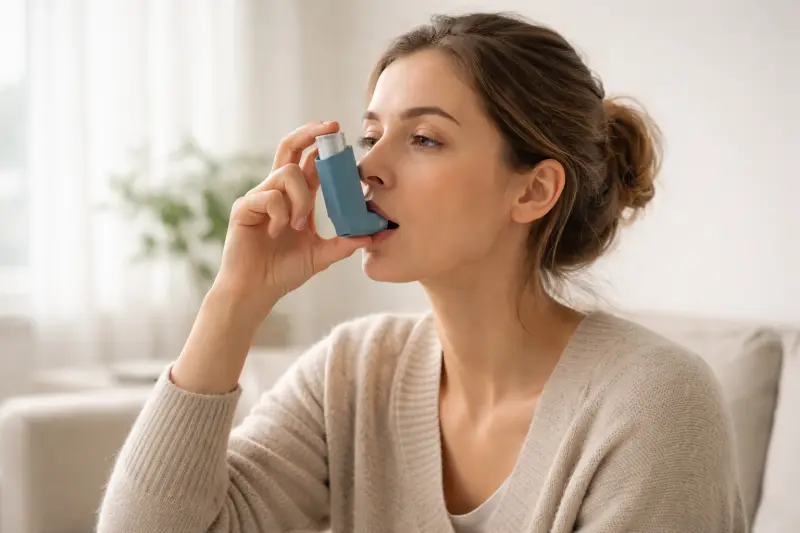
Asthma is a chronic respiratory condition that affects the airways inside the lungs. It happens when the airways become inflamed and sensitive, then narrow in response to triggers such as dust, pollen, mold, smoke, cold air, respiratory infections, or physical activity. This can lead to wheezing, coughing, shortness of breath, and chest tightness.
For some people, asthma is mild and occasional. For others, it can interfere with sleep, exercise, work, school, and daily activities. Severe asthma attacks can be dangerous if they are not treated quickly. Proper asthma care is not only about relieving symptoms; it also includes identifying triggers, using inhalers correctly, following an asthma action plan, and knowing when to seek urgent care.
If you are comparing asthma with other respiratory conditions, you may also find Vitaminati’s article on chronic obstructive pulmonary disease treatment and prevention helpful, because cough and shortness of breath can overlap across different lung conditions.
Key Takeaways
- Asthma is a chronic condition that causes inflammation and narrowing of the airways.
- Common symptoms include wheezing, coughing, shortness of breath, and chest tightness.
- Triggers vary from person to person and may include dust, pollen, mold, pet dander, smoke, exercise, cold air, and respiratory infections.
- Treatment depends on a doctor-guided plan and often includes inhaled medicines to control inflammation and reliever medicines for symptoms.
- Herbs and supplements do not treat asthma and should not replace prescribed inhalers or medical care.
- A severe asthma attack is an emergency, especially if breathing is very difficult or symptoms do not improve after rescue medicine.
What Is Asthma?
Asthma is a long-term condition that makes the airways more reactive to certain triggers. During a flare-up, the muscles around the airways tighten, inflammation increases, and extra mucus may form. This makes it harder for air to move in and out of the lungs.
Asthma symptoms may appear as occasional attacks or may be persistent in some people. Asthma severity can also change over time, which is why regular follow-up is important to adjust treatment and prevent flare-ups.
Asthma Symptoms
Asthma symptoms differ from person to person. They may be mild at times and severe at other times. Symptoms may also worsen at night, after exercise, during respiratory infections, or after exposure to specific triggers.
- Shortness of breath: May occur during physical activity, cold weather, or exposure to irritants.
- Wheezing: A whistling or squeaky sound when breathing, especially when breathing out.
- Repeated cough: Often worse at night, early in the morning, after exercise, or during respiratory infections.
- Chest tightness: A feeling of pressure, heaviness, or squeezing in the chest.
- Sleep disturbance: Coughing, wheezing, or breathlessness may wake you at night.
- Fatigue during activity: Breathing difficulty may make exercise or daily tasks feel harder.
If your symptoms worsen after a respiratory infection such as flu, read Vitaminati’s article on influenza: a comprehensive guide to understand how viral infections can affect breathing.
Signs of a Severe Asthma Attack
An asthma attack happens when symptoms suddenly worsen because the airways narrow. Some attacks are mild, but severe attacks may be life-threatening and need urgent medical care.
Seek urgent medical care if you notice:
- Severe difficulty breathing or inability to speak in full sentences.
- Blue lips, face, or fingers.
- Severe chest pain or pressure.
- Symptoms worsening quickly.
- No improvement after using rescue medicine according to your asthma action plan.
- Very low peak-flow readings if you use a peak-flow meter.
- Severe drowsiness, confusion, or unusual exhaustion during an attack.
Asthma Causes and Risk Factors
Asthma does not have one single cause. It often develops from a combination of genetic tendency and environmental exposure. Some people have allergic asthma, while others are more affected by irritants, infections, exercise, or workplace exposures.
Factors That May Increase Asthma Risk
- Family history: Having relatives with asthma, allergies, or eczema may increase risk.
- Allergies: Triggers may include pollen, dust mites, mold, pet dander, or certain allergens.
- Respiratory infections in childhood: Some severe early-life infections may increase later asthma risk.
- Smoke exposure: Smoking and secondhand smoke irritate the airways.
- Air pollution: Pollutants, strong odors, and chemical fumes may trigger symptoms.
- Occupational exposure: Dust, fumes, or chemicals at work can cause or worsen asthma.
- Obesity: Excess weight may increase inflammation and make asthma harder to control.
- Gastroesophageal reflux: Acid reflux may worsen cough or asthma symptoms in some people.
If smoking is one of your triggers or you live with smokers, quitting smoke exposure is a major respiratory-health step. Vitaminati’s article on how to quit smoking and improve your health can support this wider prevention goal.
Common Asthma Triggers
Asthma triggers differ from person to person, so tracking symptoms can help identify what makes asthma worse.
- House dust and dust mites.
- Pollen, especially during allergy seasons.
- Mold and damp indoor spaces.
- Pet dander.
- Cigarette smoke, shisha smoke, or secondhand smoke.
- Strong smells, perfumes, and cleaning chemicals.
- Cold air or sudden weather changes.
- Exercise in some people, especially without proper warm-up or asthma control.
- Influenza, colds, and other respiratory infections.
- Certain medicines in sensitive individuals, such as aspirin or non-steroidal anti-inflammatory drugs.
If your symptoms are seasonal or linked with pollen exposure, Vitaminati’s article on olive allergy causes, symptoms, and treatments may help explain how pollen can affect the nose, eyes, and breathing in sensitive people.
How Is Asthma Diagnosed?
Asthma diagnosis depends on symptoms, medical history, physical examination, and lung-function testing when needed. Cough or wheezing alone is not enough to confirm asthma, because similar symptoms can occur with bronchitis, pneumonia, allergies, vocal cord dysfunction, COPD, or other respiratory conditions.
Diagnosis May Include:
- Medical history: When do symptoms appear? Do they worsen at night, with exercise, with allergies, or during infections?
- Physical examination: A clinician listens to the lungs and evaluates breathing.
- Spirometry: Measures how much air you can exhale and how fast you can breathe out.
- Bronchodilator response test: Checks whether lung function improves after airway-opening medicine.
- Peak-flow monitoring: May help some people track asthma control at home.
- Allergy testing: May be recommended if allergic triggers are suspected.
Because asthma symptoms can overlap with lung infections, read Vitaminati’s article on pneumonia causes, symptoms, treatment, and prevention if you have fever, chest pain, or worsening breathing after an infection.
Asthma Treatment
Asthma treatment is not the same for everyone. It depends on symptom frequency, attack risk, lung-function results, age, triggers, and other health conditions. The main goals are to reduce airway inflammation, prevent attacks, improve daily function, and reduce emergency visits.
1. Long-Term Control Medicines
These medicines are used to reduce airway inflammation and prevent flare-ups. Inhaled corticosteroids are a major part of long-term asthma control for many patients. They may be used alone or with other inhaled medicines depending on asthma severity and the doctor’s plan. They should be used as prescribed, even when symptoms are mild, because the goal is prevention.
2. Quick-Relief or Reliever Medicines
Reliever medicines are used when symptoms appear or before certain triggers such as exercise if recommended by a doctor. They work by opening the airways quickly. Frequent need for reliever medicine may mean asthma is not well controlled and should be reviewed by a healthcare professional.
3. Combination Inhalers
Some patients use inhalers that combine anti-inflammatory medicine with a long-acting airway-opening medicine. The type of inhaler and how it is used depend on the patient’s age, asthma severity, and the healthcare provider’s guidance.
4. Treating Associated Allergies
If allergies are a major asthma trigger, treatment may include allergic rhinitis control, trigger reduction, seasonal allergy medicines, or allergy immunotherapy in selected cases.
5. Biologic Therapy for Severe Asthma
Some severe asthma cases that remain uncontrolled despite standard therapy may require specialized biologic medicines. These are prescribed only after careful evaluation by a specialist.
Asthma Action Plan
An asthma action plan is a written plan created with your healthcare provider. It explains what to do on normal days, when symptoms increase, and during a severe flare-up. It helps reduce confusion and supports faster action when asthma worsens.
An Asthma Action Plan Should Include:
- Daily medicines and doses.
- Reliever medicines and when to use them.
- Triggers to avoid.
- Signs that asthma control is worsening.
- Peak-flow zones if you use a peak-flow meter.
- When to contact your doctor.
- When to go to emergency care.
How to Prevent Asthma Attacks
Asthma itself cannot always be prevented, but flare-ups can often be reduced with proper management and trigger control.
- Identify triggers: Track when symptoms worsen and what happened before them.
- Avoid smoke exposure: Do not allow smoking inside the home or car.
- Reduce dust exposure: Wash bedding regularly, reduce carpets when needed, and use dust-mite covers if recommended.
- Reduce pollen exposure: Close windows on high-pollen days and shower after long outdoor exposure.
- Control mold and dampness: Fix leaks and ventilate humid spaces.
- Get recommended vaccines: Flu vaccination and other vaccines may be advised depending on age and health status.
- Use medicines consistently: Continue controller medicines as prescribed, even when symptoms are not active.
- Follow up regularly: Asthma treatment may need adjustment over time.
Asthma and Respiratory Infections
Respiratory infections such as influenza and colds can trigger asthma flare-ups. During an infection, it is important to follow your asthma action plan and avoid stopping prescribed inhalers unless your doctor tells you to.
For related respiratory topics, read Vitaminati’s comprehensive influenza guide and pneumonia guide to understand warning signs that need medical care.
Do Herbs and Supplements Help Asthma?
Herbs and supplements do not treat asthma and should not replace prescribed inhalers or medical care. Some people use warm drinks or nutrient support for general wellness, but these should never be treated as asthma control therapy.
Ginger, Turmeric, and Garlic
These foods contain compounds often discussed in relation to inflammation and general health, but there is not enough evidence to use them as replacements for asthma medicines. Herbal supplements may also interact with medicines or irritate sensitive airways in some people.
Eucalyptus and Essential Oils
Essential oils can irritate the airways in some people with asthma, especially when inhaled in concentrated form. They should not be used near children or during breathing attacks.
Vitamin D, Zinc, and Magnesium
These nutrients are important for general health, immune function, and normal body processes, but taking them does not treat asthma. Supplements may be useful only if there is a confirmed deficiency or clear need. For more, read Vitaminati’s articles on vitamin D deficiency symptoms and zinc benefits for energy, immunity, and nerves.
Asthma and Exercise
Asthma does not automatically mean you should avoid exercise. Many people with asthma can exercise safely when symptoms are controlled and they follow their healthcare provider’s plan. Some may need gradual warm-up or medicine before activity if recommended.
Tips for Exercising With Asthma
- Ask your doctor for advice if exercise repeatedly causes wheezing or breathlessness.
- Warm up gradually before activity.
- Avoid exercising in very cold air or on high-pollution or high-pollen days if those are your triggers.
- Carry reliever medicine if your doctor recommends it.
- Stop and seek help if symptoms are severe or unusual.
When Should You See a Doctor?
See a doctor if you suspect asthma, if symptoms are not controlled, or if you need reliever medicine frequently.
- Repeated cough or wheezing, especially at night or after exercise.
- Shortness of breath that recurs or worsens.
- Waking from sleep because of coughing or breathing difficulty.
- Increasing use of reliever medicine.
- Symptoms worsening after colds or flu.
- Difficulty doing daily activities because of breathing symptoms.
- Strong allergy symptoms with asthma-like breathing problems.
Common Asthma Management Mistakes
- Stopping controller inhalers when symptoms improve: This may allow inflammation to return and increase attack risk.
- Relying only on rescue medicine: Frequent use may mean asthma is not controlled.
- Ignoring triggers: Knowing and reducing triggers is part of asthma control.
- Using essential oils during breathing symptoms: They may irritate the airways in some people.
- Believing asthma always prevents exercise: Many people with asthma can exercise safely when symptoms are controlled.
- Not having an emergency plan: An asthma action plan helps you respond quickly when symptoms worsen.
FAQs About Asthma
1. Is asthma a chronic disease?
Yes. Asthma is a chronic airway condition. Symptoms may improve or disappear for periods, but the tendency for flare-ups can remain.
2. What are the most common asthma symptoms?
The most common symptoms are wheezing, repeated cough, shortness of breath, and chest tightness, especially at night, after exercise, during infections, or after exposure to triggers.
3. Can asthma be cured?
There is no guaranteed permanent cure for asthma, but it can often be well controlled with the right treatment plan, trigger management, and follow-up.
4. Are steroid inhalers dangerous?
Inhaled corticosteroids are used in carefully selected doses to control airway inflammation. When used as prescribed, they are among the most important asthma-control treatments. Any concerns about side effects should be discussed with a doctor instead of stopping treatment suddenly.
5. Is exercise forbidden for people with asthma?
No. Many people with asthma can exercise safely when symptoms are controlled and they follow their doctor’s plan. If exercise repeatedly causes symptoms, the asthma plan may need adjustment.
6. Can allergies cause asthma?
Allergies can be a major asthma trigger in some people, especially allergies to dust, pollen, mold, or pet dander. However, allergies are not the only cause of asthma.
7. Do herbs treat asthma?
No. Herbs do not treat asthma or prevent asthma attacks. Some foods may support general health, but they do not replace inhalers or medical care.
8. When is an asthma attack an emergency?
It is an emergency if there is severe breathing difficulty, blue lips, inability to speak, rapid worsening, or no improvement after rescue medicine according to the medical plan.
9. Can influenza make asthma worse?
Yes. Respiratory infections such as influenza can trigger asthma flare-ups. Flu vaccination is often recommended for people with asthma according to medical guidance.
10. Can asthma be controlled without medicine?
Avoiding triggers is important, but it is not always enough. Many people need medicines to control airway inflammation and prevent attacks. A healthcare provider should determine the right plan.
Conclusion
Asthma is a chronic respiratory condition that can be controlled when symptoms, triggers, and treatment needs are understood. Wheezing, cough, shortness of breath, and chest tightness should not be ignored, especially when they happen repeatedly, at night, after exercise, or during respiratory infections.
Proper asthma care does not rely on herbs or supplements. It depends on a medical plan that may include controller medicines, reliever medicines, trigger control, regular follow-up, and a written asthma action plan. Knowing what to do when symptoms worsen can reduce emergency risk and help people with asthma live active, safe lives.
Medical disclaimer: This article is for general educational purposes only and does not replace medical advice. If you have severe difficulty breathing, blue lips, severe chest pain, or no improvement after rescue medicine according to your plan, seek emergency medical care immediately.
Scientific References
- World Health Organization: Asthma Fact Sheet
- Global Initiative for Asthma: 2025 Global Strategy for Asthma Management and Prevention
- CDC: Living with Asthma
- CDC: Controlling Asthma Triggers
- CDC: Respiratory Infections and Asthma
- NHLBI: What Is Asthma?
- Mayo Clinic: Asthma Symptoms and Causes
- Mayo Clinic: Asthma Diagnosis and Treatment