How to Quit Smoking: Effective Steps to Quit and Improve Your Health
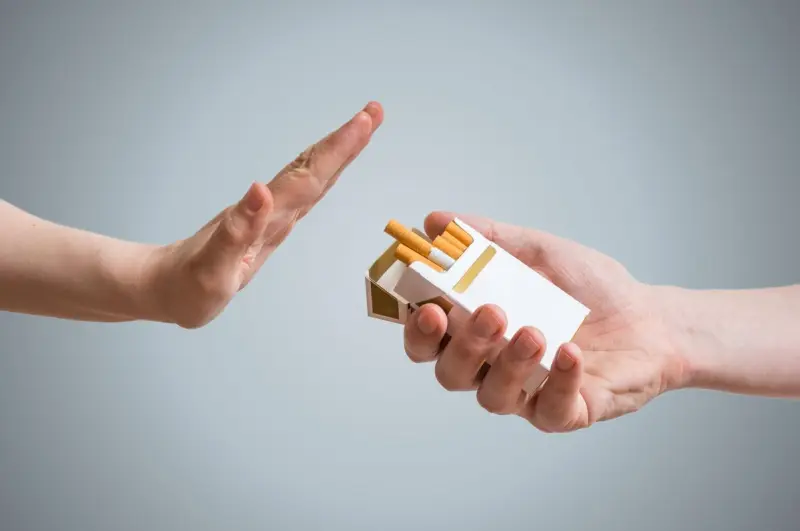
How to Quit Smoking: A Practical Guide to Stopping Tobacco and Improving Your Health
Quitting smoking is one of the most important health decisions a person can make. Smoking affects more than the lungs; it is linked with heart and blood vessel health, cancer risk, breathing, fertility, immune function, sleep quality, skin, and oral health.
However, stopping smoking is not only a matter of willpower. Nicotine is addictive, and many people need a clear plan, behavioral support, trigger management, and sometimes nicotine replacement therapy or prescription medication under professional guidance.
In this article, we explain how to start quitting smoking step by step, how to manage nicotine withdrawal, when nicotine patches or gum may help, and how to protect your family from secondhand smoke.
Key Takeaways
- Quitting smoking reduces risks related to the heart, lungs, cancer, and respiratory disease, even after years of smoking.
- Success is more likely when you combine a behavioral quit plan with medical or psychological support when needed.
- Nicotine replacement therapy, such as patches, gum, or lozenges, may help reduce withdrawal symptoms and cravings.
- Cravings are usually temporary and can often be managed by changing the routine, breathing, walking, drinking water, or seeking support.
- Secondhand smoke is harmful, especially for children, pregnant women, older adults, and people with asthma, heart disease, or lung disease.
Why Is Smoking Dangerous?
Smoking exposes the body to harmful substances that affect blood vessels, lungs, and cells. Over time, smoking may increase the risk of heart disease, stroke, chronic obstructive pulmonary disease, lung cancer, and other cancers.
The harm does not stop with the person who smokes. Secondhand smoke inside homes, cars, and closed spaces can expose children and adults to harmful chemicals. When you quit, you protect your own health and also reduce exposure for the people around you.
Because the lungs are among the organs most affected by tobacco smoke, understanding COPD causes and lung health can make quitting feel less like a lifestyle preference and more like a long-term prevention strategy.
What Happens to Your Body After You Quit Smoking?
The benefits of quitting begin gradually. Some people notice better breathing, more energy, improved taste, or less coughing within weeks, while heart, lung, and cancer-related benefits continue building over time. Every quit attempt has value, even if it is not successful the first time.
| Possible Benefit | How It May Show Up | Important Note |
|---|---|---|
| Better breathing | Cough, mucus, and wheezing may gradually improve in some people. | People with lung disease need ongoing medical follow-up. |
| Heart health support | Stopping smoke exposure reduces ongoing stress on blood vessels. | Quitting works best with blood pressure, cholesterol, and activity support. |
| Family protection | Children, pregnant women, and older adults have less secondhand smoke exposure. | The best protection is a fully smoke-free home and car. |
| Improved taste and smell | Some people notice food and smells more clearly after stopping. | Improvement varies by smoking history and health status. |
| Financial savings | Stopping cigarette purchases creates repeated monthly savings. | Use the savings as a reward or health investment. |
If years of smoking have already led to chronic cough, shortness of breath, or repeated bronchitis, then learning about COPD treatment and prevention can help you understand why quitting is still valuable even after symptoms appear.
Why Is It Hard to Quit Smoking?
Difficulty quitting does not mean weakness. Nicotine affects reward pathways in the brain, so smoking can become strongly connected with stress, coffee, meals, driving, social settings, or emotional pressure.
Smoking is also tied to routine, identity, and social behavior. That is why “I will stop tomorrow” is often not enough. You need to know when and why you smoke, then build realistic replacements for those moments.
If smoking is linked with pressure or anxiety, managing psychological stress and recovery may become a central part of your quit plan, because many relapses happen during emotional stress.
1. Define Your Personal Reasons for Quitting
Start with a clear question: why do I want to stop smoking? The more personal and written your reasons are, the stronger they become during cravings.
Your reasons may include:
- Protecting your heart and lungs.
- Reducing cancer risk.
- Protecting children and family members from secondhand smoke.
- Improving fitness and breathing.
- Saving money.
- Improving breath, clothing smell, and oral health.
- Preparing for pregnancy or protecting pregnancy.
- Feeling more in control of your health and choices.
Write your reasons on paper or in your phone and read them when a craving appears.
2. Set a Quit Date and Prepare Beforehand
A clear quit date turns the decision into a plan. Choose a date within the next one to two weeks, giving yourself enough time to prepare without delaying for too long.
Before your quit date:
- Remove cigarettes, lighters, and ashtrays.
- Tell one supportive person that you are quitting.
- Identify the top three situations that make you smoke.
- Prepare replacements such as sugar-free gum, water, healthy snacks, or breathing exercises.
- Ask a doctor or pharmacist about nicotine replacement therapy if you smoke heavily or have failed previous attempts.
3. Understand Your Smoking Triggers and Replace Them
A trigger is a situation, feeling, or routine that makes you want to smoke. Knowing your triggers helps you prepare before the craving hits.
| Trigger | Replacement | Practical Tip |
|---|---|---|
| Coffee | Change where you drink coffee or pair it with a small snack. | Change the routine during the first two weeks. |
| After meals | Walk for 5 minutes or brush your teeth. | Break the “meal then cigarette” connection. |
| Stress | Breathe slowly or walk instead of smoking. | Use the 10-minute delay rule. |
| Driving | Keep water or gum in the car. | Clean the car to remove cigarette smell. |
| Being around smokers | Temporarily avoid smoking areas at the beginning. | Ask others not to smoke around you in the first weeks. |
When cravings are tied to stress, stress recovery strategies and simple breathing routines can help you pass the difficult minutes without returning to cigarettes.
4. Use the “Wait 10 Minutes” Rule During Cravings
A smoking craving often comes like a strong wave and then fades. When it appears, do not debate with yourself for too long. Say, “I will wait 10 minutes.”
During those 10 minutes:
- Drink a glass of water.
- Breathe slowly.
- Walk for a few minutes.
- Chew sugar-free gum.
- Call or message a supportive person.
- Change location immediately if you are in a trigger environment.
Every time you pass a craving without smoking, your brain becomes a little less connected to cigarettes in that situation.
5. Ask About Nicotine Replacement Therapy When Needed
Nicotine replacement therapy may help some people by giving measured nicotine without tobacco smoke. This can reduce withdrawal symptoms and make it easier to focus on changing routines and behaviors.
Common options include:
- Nicotine patches: provide a steady dose through the day.
- Nicotine gum: helps with sudden cravings.
- Lozenges: can be used as needed according to instructions.
- Nicotine sprays or inhalers: may be available in some countries by prescription or under local regulations.
For some people, combining a long-acting patch with a short-acting option such as gum or lozenges may be useful, but the dose and method should follow medical or pharmacist guidance, especially with heart disease, pregnancy, breastfeeding, or chronic medication use.
Important note: Do not continue smoking while using nicotine replacement therapy unless this is part of a specific medical quit plan; otherwise, nicotine exposure may increase.
6. When Do You Need Quit-Smoking Medication or a Specialized Clinic?
Some people need prescription medications or specialized follow-up, especially when nicotine dependence is strong or previous quit attempts were unsuccessful. A clinician may prescribe medication to reduce cravings or withdrawal symptoms if it is appropriate for your health status.
Consider speaking with a doctor or quit-smoking clinic if you:
- Smoke your first cigarette within 30 minutes of waking.
- Smoke many cigarettes per day.
- Have tried to quit several times and returned to smoking.
- Have anxiety, depression, or severe stress connected with smoking.
- Have heart disease, lung disease, pregnancy, or chronic medication use.
Specialized support does not mean you failed. It means you are using better tools for a difficult addiction.
7. Manage Nicotine Withdrawal Realistically
Withdrawal symptoms can be uncomfortable, but they are temporary. They are often strongest in the first few days and then improve gradually. Knowing what to expect makes them less frightening.
| Symptom | What to Do | When to Ask for Help |
|---|---|---|
| Strong cravings | Wait 10 minutes, change location, use gum or water. | If cravings feel unmanageable, ask about nicotine replacement therapy. |
| Irritability or anxiety | Use breathing, walking, and reduce caffeine. | If anxiety is severe or persistent. |
| Headache or fatigue | Drink water, sleep well, and eat regular meals. | If the headache is severe or unusual. |
| Increased appetite | Prepare healthy snacks such as fruit, yogurt, or a small handful of nuts. | If weight gain becomes rapid or eating feels out of control. |
| Insomnia | Reduce caffeine, keep a consistent sleep schedule, and use a calming routine. | If insomnia continues or affects work and daily life. |
If sleep becomes difficult after quitting, improving sleep hygiene and natural sleep routines may help reduce insomnia without returning to cigarettes as a calming tool.
8. Protect Yourself From Weight Gain After Quitting
Some people gain a small amount of weight after quitting because appetite improves or food replaces cigarettes. This should not stop you from quitting; the health benefits of stopping smoking are far greater than a small weight change, and weight can be managed with a smart plan.
To reduce weight gain:
- Eat regular meals with protein and fiber.
- Prepare healthy snacks such as fruit, unsweetened yogurt, or a small portion of nuts.
- Drink water when cravings appear, because thirst can feel like hunger.
- Walk daily, even for 10 to 20 minutes.
- Do not start a harsh diet in the same week you quit; focus on stopping smoking first.
If fear of weight gain is holding you back, using weight management and cholesterol-control habits can help you manage appetite without adding unnecessary pressure.
9. Use Movement as a Cigarette Replacement
Daily movement helps reduce stress, support mood, protect heart and lung health, and reduce cravings in some people. You do not need intense exercise. Even a short walk can interrupt a craving wave.
Try these ideas:
- Walk for 5 minutes during each strong craving.
- Use the stairs once per day.
- Stretch your shoulders and neck when stress builds.
- Start with light home exercises instead of waiting for a gym routine.
Over time, exercise for physical and mental health can help turn quitting into a wider healthy lifestyle, not just the absence of cigarettes.
10. Protect Your Family From Secondhand Smoke
Secondhand smoke is not just an unpleasant smell. It is exposure to harmful smoke that can affect the heart and lungs. Children, pregnant women, older adults, and people with asthma, heart disease, or lung disease are especially vulnerable.
To protect the people around you:
- Make your home and car completely smoke-free.
- Do not smoke near children, pregnant women, or older adults.
- Wash your hands and change clothes if you have been around heavy smoke.
- Ask visitors not to smoke inside your home.
- Remember that opening a window does not make indoor smoking fully safe.
For families already dealing with breathing problems, protecting the home from smoke can support broader respiratory health alongside medical care when needed.
11. What If You Relapse?
A relapse does not mean failure. Many people need more than one attempt before quitting for good. The key is not allowing one cigarette to become a full return to smoking.
If you smoke after your quit date:
- Do not say, “I failed.” Ask: what triggered me?
- Write down the situation that led to smoking.
- Return to the quit plan the same day.
- Ask for more support if it happens repeatedly.
- Consider nicotine replacement therapy or counseling if you were relying only on willpower.
Every attempt teaches you something about your triggers, making the next attempt stronger.
A Practical 7-Day Plan Without Smoking
| Day | Focus | Practical Step |
|---|---|---|
| Day 1 | Remove triggers | Throw away cigarettes and lighters and clean smoking areas. |
| Day 2 | Water and movement | Drink water during each craving and walk for 5 minutes. |
| Day 3 | Change routine | Change your coffee routine or after-meal habit. |
| Day 4 | Support | Speak with a supportive person or quit-smoking group. |
| Day 5 | Sleep | Reduce caffeine and protect your sleep schedule. |
| Day 6 | Nutrition | Prepare a healthy snack to avoid replacing cigarettes with sweets. |
| Day 7 | Review | Write what worked and what needs adjustment for next week. |
When Should You Seek Urgent Medical Help?
Seek urgent medical care if you experience severe chest pain, shortness of breath, fainting, severe unusual palpitations, or symptoms that may suggest a heart attack. Also speak with a clinician before using some quit-smoking medications if you are pregnant or breastfeeding, take psychiatric medication, or have heart disease, high blood pressure, or chronic illness.
If severe anxiety, depression, or thoughts of self-harm appear after quitting, seek medical or psychological support immediately.
Conclusion: Your Smoke-Free Future Starts With a Plan
How to quit smoking is not only about willpower. Success depends on a clear reason, a quit date, a trigger plan, craving replacements, and medical or psychological support when needed.
Every day without smoking is a step toward better health, better breathing, and better protection for your heart and lungs. The beginning may be difficult, but cravings pass, the body adapts, and confidence grows with each smoke-free day.
The most important rule is simple: do not wait for the perfect moment. Choose one step today and start there.
Frequently Asked Questions About Quitting Smoking
What is the best way to quit smoking?
The best approach often combines a behavioral quit plan, trigger management, support from others, and medical or pharmacist guidance about nicotine replacement therapy or quit-smoking medication when needed.
Can I quit smoking suddenly?
Some people quit suddenly, while others need nicotine replacement therapy or a gradual plan. The best choice depends on nicotine dependence, health history, and previous quit attempts.
How long does nicotine withdrawal last?
Withdrawal symptoms are often strongest in the first few days and improve gradually over weeks, although psychological cravings may appear in specific situations for longer.
Are nicotine patches safe?
They may be safe and useful for many adults when used as directed, but medical guidance is important during pregnancy, heart disease, or use of certain medications.
Can I use nicotine patches with gum?
Some people may benefit from combining a long-acting patch with short-acting gum or lozenges, but this should be done according to a healthcare professional’s instructions.
Will I gain weight after quitting?
Some people gain a small amount of weight due to appetite changes or replacing cigarettes with food. Regular meals, protein, fiber, water, and movement can reduce this risk.
What should I do during a strong craving?
Wait 10 minutes, drink water, change location, walk, use breathing techniques, or contact a supportive person. Cravings usually fade if you do not respond immediately.
Does vaping help people quit smoking?
Some health systems discuss vaping as a harm-reduction tool for certain smokers, but it is not risk-free and may maintain nicotine dependence. Discuss options with a healthcare professional.
Is secondhand smoke dangerous?
Yes. Secondhand smoke can harm the heart and lungs and is especially risky for children, pregnant women, and people with respiratory or heart conditions.
What if I relapse and smoke one cigarette?
Do not treat it as total failure. Identify the trigger, return to your plan immediately, and seek more support if relapse repeats.
Scientific References
- WHO – Quitting Tobacco
- WHO – Tobacco Fact Sheet
- CDC – How to Quit Smoking
- CDC – Benefits of Quitting Smoking
- CDC – How Quit Smoking Medicines Work
- CDC – About Secondhand Smoke
- National Cancer Institute – Nicotine Withdrawal and Triggers
Medical disclaimer: This article is for general educational purposes only and does not replace medical advice. If you are pregnant or breastfeeding, have heart disease, high blood pressure, a mental health condition, or use chronic medications, consult a healthcare professional before using nicotine replacement therapy or quit-smoking medication. Seek urgent help for severe chest pain, shortness of breath, or thoughts of self-harm.