Chronic Obstructive Pulmonary Disease: Treatment and Prevention
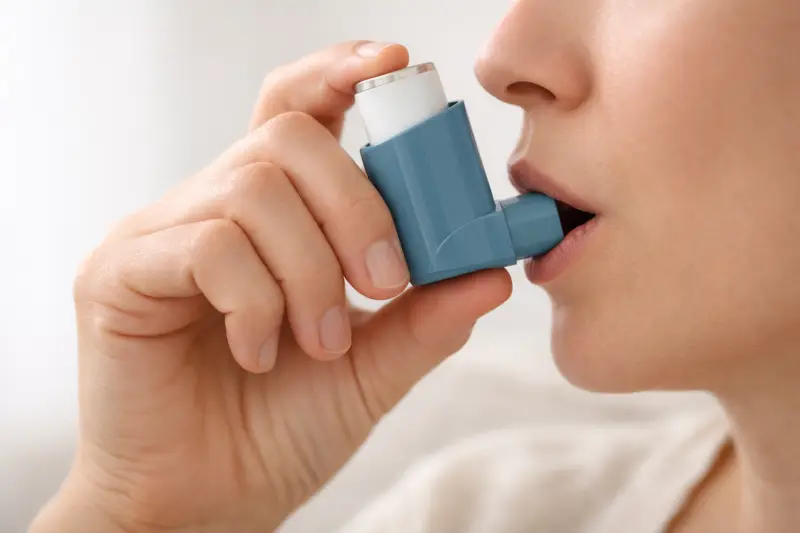
Chronic Obstructive Pulmonary Disease COPD: Symptoms, Causes, Treatment, and Prevention
Chronic obstructive pulmonary disease, or COPD, is a long-term lung disease that makes it harder for air to move in and out of the lungs. It often develops gradually and may cause shortness of breath, chronic cough, mucus production, wheezing, and fatigue.
COPD commonly includes two overlapping conditions: chronic bronchitis and emphysema. Chronic bronchitis causes long-term inflammation of the airways with cough and mucus, while emphysema damages the tiny air sacs in the lungs that help exchange oxygen and carbon dioxide.
COPD is usually not fully curable, but it can be managed. Early diagnosis, smoking cessation, appropriate inhalers, vaccines, pulmonary rehabilitation, oxygen therapy when needed, and avoiding lung irritants can help reduce symptoms, prevent flare-ups, and improve quality of life.
Key Takeaways
- COPD is a chronic lung disease that causes airflow limitation and breathing difficulty.
- Smoking is the most common cause, but air pollution, secondhand smoke, workplace dust and fumes, and genetics may also contribute.
- Symptoms include shortness of breath, chronic cough, mucus, wheezing, chest tightness, fatigue, and repeated respiratory infections.
- Spirometry is the main test used to diagnose COPD and assess airflow limitation.
- COPD is usually not curable, but treatment can reduce symptoms, flare-ups, and hospitalizations.
- Herbs and supplements do not treat COPD and should not replace inhalers, pulmonary rehabilitation, or medical care.
What Is COPD?
COPD is a chronic condition that damages the lungs and airways over time. The main problem is persistent airflow limitation, which means air becomes harder to move out of the lungs. This can make breathing feel difficult, especially during walking, climbing stairs, or other daily activities.
The two main conditions often included under COPD are:
- Chronic bronchitis: Long-term airway inflammation that causes repeated cough and mucus production.
- Emphysema: Damage to the air sacs, reducing the lungs’ ability to exchange oxygen efficiently.
For more reading within the respiratory cluster, you can also review Vitaminati’s article on chronic obstructive pulmonary disease treatment and prevention.
Causes and Risk Factors of COPD
1. Smoking
Smoking is the most common cause of COPD. Long-term exposure to cigarette smoke irritates the airways, causes chronic inflammation, and damages lung tissue. Quitting smoking is the most important step for slowing lung function decline and reducing flare-ups.
If you need a practical starting point, read Vitaminati’s guide on how to quit smoking and improve your health.
2. Secondhand Smoke
Repeated exposure to tobacco smoke from other people can irritate the respiratory system and may increase the risk of lung problems, especially in children, older adults, and people with asthma or respiratory sensitivity.
3. Workplace Dust, Fumes, and Chemicals
Some workplaces expose the lungs to dust, fumes, smoke, or chemicals over long periods. This can increase COPD risk, especially when exposure happens without adequate ventilation or protective equipment.
4. Indoor and Outdoor Air Pollution
Outdoor air pollution and indoor smoke from wood, coal, or other fuels can contribute to lung irritation and chronic respiratory disease risk, especially with long-term exposure.
5. Alpha-1 Antitrypsin Deficiency
Alpha-1 antitrypsin deficiency is a genetic condition that can make the lungs more vulnerable to damage. It may cause COPD at a younger age, even in some people who have never smoked. A doctor may consider testing when COPD appears early or there is a family history.
6. Childhood Respiratory Infections
Severe or repeated respiratory infections in childhood may affect lung development and future lung function, especially when combined with smoke exposure or air pollution.
Common COPD Symptoms
COPD symptoms may be mild at first and can be mistaken for aging, low fitness, or repeated colds. Over time, symptoms may become more noticeable and may limit daily activity.
- Shortness of breath: Often appears first during activity, then may occur with simpler tasks as the disease progresses.
- Chronic cough: A persistent or recurring cough, sometimes worse in the morning.
- Mucus production: Increased phlegm, especially in chronic bronchitis.
- Wheezing: A whistling sound when breathing.
- Chest tightness: A heavy or tight feeling in the chest.
- Fatigue: Breathing requires more effort, which can reduce energy.
- Repeated respiratory infections: Such as colds, bronchitis, influenza, or pneumonia.
- Unintentional weight loss: May occur in more advanced stages.
If chronic cough and mucus keep returning, Vitaminati’s article on bronchitis causes, symptoms, treatment, and prevention may help explain the connection between bronchitis and long-term airway irritation.
When Should You See a Doctor?
See a doctor if you have chronic cough, persistent mucus, shortness of breath during activity, repeated wheezing, or a long history of smoking or exposure to dust, fumes, or chemical irritants. Early diagnosis can help you begin treatment before symptoms become more limiting.
Seek urgent medical care if you have:
- Severe or sudden shortness of breath.
- Bluish lips or fingertips.
- Severe chest pain or chest pressure.
- Confusion or extreme sleepiness.
- High fever with cough, mucus, or chest pain.
- Rapid worsening of cough, mucus, wheezing, or breathing.
- No improvement despite using your usual prescribed treatment.
Possible COPD Complications
When COPD is not well controlled, flare-ups and complications may become more frequent. COPD can also affect heart health, sleep, movement, mood, and independence.
- Repeated respiratory infections: Such as influenza, bronchitis, and pneumonia.
- Exacerbations: Episodes when symptoms suddenly worsen and may require additional treatment or hospitalization.
- Pneumonia: Lung infection can be more serious in people with COPD.
- Heart problems: COPD may increase strain on the heart and pulmonary circulation.
- Pulmonary hypertension: High pressure in the blood vessels of the lungs in some advanced cases.
- Anxiety and depression: Chronic breathlessness can affect mood and quality of life.
- Reduced physical activity: Shortness of breath and fatigue can limit daily movement.
Because respiratory infections can trigger COPD flare-ups, you may also read Vitaminati’s articles on influenza symptoms, causes, treatment, and prevention and pneumonia causes, symptoms, treatment, and prevention.
How Is COPD Diagnosed?
Symptoms alone are not enough to diagnose COPD. A doctor will consider symptoms, smoking history, occupational exposure, medical history, and lung function testing. The main diagnostic test is spirometry, which measures how much air you can breathe out and how fast you can exhale.
Tests a Doctor May Request
- Spirometry: The main test for airflow limitation and COPD diagnosis.
- Pulse oximetry: Measures oxygen levels in the blood.
- Chest X-ray or CT scan: May help evaluate the lungs or rule out other causes.
- Blood tests: May be used to assess infection, oxygen and carbon dioxide status, or alpha-1 antitrypsin deficiency.
- Walking test: May assess exercise capacity and oxygen levels during activity.
COPD Treatment Options
Treatment depends on symptom severity, spirometry results, number of flare-ups, oxygen levels, and other health conditions. A healthcare professional should choose the treatment plan because COPD management differs from person to person.
1. Smoking Cessation
This is the most important treatment step for people who smoke. Stopping smoking can slow lung function decline, reduce irritation, and lower the risk of flare-ups.
2. Bronchodilators
Bronchodilators are medicines that help open the airways and reduce breathlessness. Some are short-acting for quick relief, while others are long-acting and used regularly as part of daily control.
3. Inhaled Anti-Inflammatory Medicines in Selected Cases
Some people may be prescribed inhaled corticosteroids, usually when flare-ups are frequent or when specific clinical features suggest benefit. These medicines are not suitable for everyone and should be used only under medical guidance.
4. Pulmonary Rehabilitation
Pulmonary rehabilitation combines supervised exercise, breathing strategies, education, nutrition guidance, and emotional support. It can improve activity tolerance, reduce breathlessness, and support better quality of life.
5. Oxygen Therapy in Selected Cases
Some people with persistently low blood oxygen may need prescribed oxygen therapy. Oxygen should not be used randomly; it is recommended based on measured oxygen levels and medical evaluation.
6. Treating COPD Flare-Ups
During a flare-up, treatment may include adjusting inhalers, adding short-term medicines, antibiotics when bacterial infection is suspected, or oral corticosteroids for a limited period. These medicines should not be used without medical advice.
How to Prevent COPD or Reduce Flare-Ups
- Quit smoking: The most important step for prevention and slowing disease progression.
- Avoid secondhand smoke: Reduces lung irritation.
- Use workplace protection: Especially when exposed to dust, fumes, or chemicals.
- Improve home ventilation: Especially when using fuel, wood smoke, or strong cleaning products.
- Stay up to date with vaccines: Flu and pneumonia vaccines may reduce severe respiratory infections, depending on age, health status, and medical advice.
- Practice infection prevention: Handwashing and avoiding close contact with sick people can reduce flare-up triggers.
- Attend regular follow-up: Follow-up helps adjust treatment before symptoms worsen.
Can Herbs Help With COPD?
Some herbs or warm drinks may soothe the throat or provide temporary comfort, but they do not treat COPD or open the airways like prescribed medicines. Essential oils may irritate the lungs in some people, especially when used incorrectly.
Mint
Mint may create a refreshing feeling in the throat and nose, but it is not a treatment for airway obstruction. You can read Vitaminati’s article on mint benefits for the respiratory system within the respiratory cluster.
Mullein
Mullein is traditionally used to soothe respiratory irritation, but evidence is not strong enough to consider it a COPD treatment. Read more in Vitaminati’s article on mullein for respiratory health and lung support.
Ginger, Thyme, and Marshmallow Root
Some herbal drinks may soothe the throat or support comfort, but they do not treat chronic airflow obstruction. Use caution with allergies, medication interactions, or concentrated extracts.
Supplements and Lung Health
No dietary supplement can cure COPD or replace inhalers, pulmonary rehabilitation, oxygen therapy, or medical care. Some supplements may be useful when a deficiency or specific medical need is present, but they should be used with professional guidance, especially in people taking several medicines.
Vitamin D
Vitamin D deficiency may occur in some people and correcting deficiency can support general health, immunity, and bone health. However, vitamin D is not a direct COPD treatment. A blood test can help guide the right dose.
Omega-3
Omega-3 from foods such as fatty fish can be part of a healthy diet. Supplements are not COPD treatments and may not be suitable for everyone, especially with blood thinners or before surgery.
N-Acetylcysteine NAC
N-acetylcysteine may be considered in some people to help reduce mucus thickness or flare-up risk, depending on the person’s treatment plan and clinical situation. It should not be used randomly without asking a doctor or pharmacist.
Magnesium and CoQ10
Magnesium and CoQ10 may be useful only in selected situations or when a deficiency or clear need exists. They do not treat COPD. High magnesium doses can cause side effects, especially in people with kidney disease.
Lifestyle Tips for People With COPD
- Learn breathing techniques: Pursed-lip breathing may help reduce the feeling of breathlessness.
- Stay active safely: Regular movement can improve endurance, but it should be matched to your health status.
- Maintain a suitable weight: Both severe weight loss and excess weight can make breathing harder.
- Drink enough fluids: Hydration may help keep mucus thinner.
- Eat smaller balanced meals: Large meals may worsen breathlessness in some people.
- Avoid irritants: Smoke, strong fragrances, dust, and harsh cleaning products may worsen symptoms.
- Follow your written action plan: Know what to do when symptoms increase.
- Seek emotional support when needed: Anxiety and depression are common with chronic breathing conditions.
Common Mistakes When Managing COPD
- Assuming breathlessness is just aging: Persistent shortness of breath should be evaluated.
- Continuing to smoke after diagnosis: Smoking accelerates lung damage and increases flare-ups.
- Using inhalers incorrectly: Poor inhaler technique can reduce medication effectiveness.
- Stopping treatment when symptoms improve: COPD is chronic and needs long-term management.
- Relying on herbs instead of inhalers: Herbs do not treat airflow obstruction.
- Ignoring vaccines: Respiratory infections can trigger serious COPD flare-ups.
FAQs About COPD
1. What is COPD?
COPD is a chronic lung disease that causes airflow limitation and breathing difficulty. It commonly includes chronic bronchitis and emphysema.
2. What is the main cause of COPD?
Smoking is the most common cause, but secondhand smoke, air pollution, workplace dust and chemicals, and alpha-1 antitrypsin deficiency can also contribute.
3. What are the early symptoms of COPD?
Early symptoms may include shortness of breath with activity, recurring cough, mucus, wheezing, or fatigue. Symptoms can be mild at first and worsen gradually.
4. Can COPD be cured?
COPD is usually not curable, but symptoms can be managed and quality of life can improve with proper treatment, smoking cessation, vaccines, and pulmonary rehabilitation.
5. How is COPD diagnosed?
COPD is usually diagnosed through symptoms, risk history, and spirometry, which measures how much air you can breathe out and how fast you can exhale.
6. Does quitting smoking help after COPD diagnosis?
Yes. Quitting smoking remains the most important step after diagnosis because it helps slow lung function decline and reduce flare-ups.
7. Does every person with COPD need oxygen?
No. Oxygen therapy is used only when blood oxygen levels are persistently low based on medical testing.
8. Can herbs treat COPD?
No. Some herbs may soothe the throat or support comfort, but they do not treat chronic airflow obstruction and should not replace prescribed therapy.
9. Is exercise safe with COPD?
Exercise can be safe and beneficial when planned appropriately, especially through pulmonary rehabilitation or medical guidance. Avoid intense activity during flare-ups or severe breathlessness.
10. When should a person with COPD seek emergency care?
Seek emergency care for severe or sudden shortness of breath, bluish lips, chest pain, confusion, extreme sleepiness, or symptoms that do not improve with usual treatment.
Conclusion
COPD is a chronic lung condition that can affect breathing, movement, and quality of life. However, it can often be managed with the right plan. Early diagnosis, smoking cessation, correct inhaler use, vaccines, pulmonary rehabilitation, and avoiding irritants can help reduce symptoms and flare-ups.
Herbs and supplements may provide general support for some people, but they do not treat COPD and should never replace prescribed inhalers or medical care. If you have chronic cough, repeated mucus, wheezing, or shortness of breath during activity, medical evaluation is the safest first step.
Medical disclaimer: This article is for general educational purposes only and does not replace medical advice. If you have severe shortness of breath, chest pain, bluish lips, confusion, or rapidly worsening symptoms, seek medical care immediately.
Scientific References
- World Health Organization: Chronic Obstructive Pulmonary Disease COPD
- CDC: About COPD
- CDC: COPD Resources for Patients and Families
- NHLBI: COPD Diagnosis and Spirometry
- NHLBI: COPD Symptoms
- Mayo Clinic: COPD Symptoms and Causes
- GOLD: Global Strategy for the Diagnosis, Management, and Prevention of COPD 2025 Report