Breast Cancer: Causes, Symptoms, and Tips for Better Health
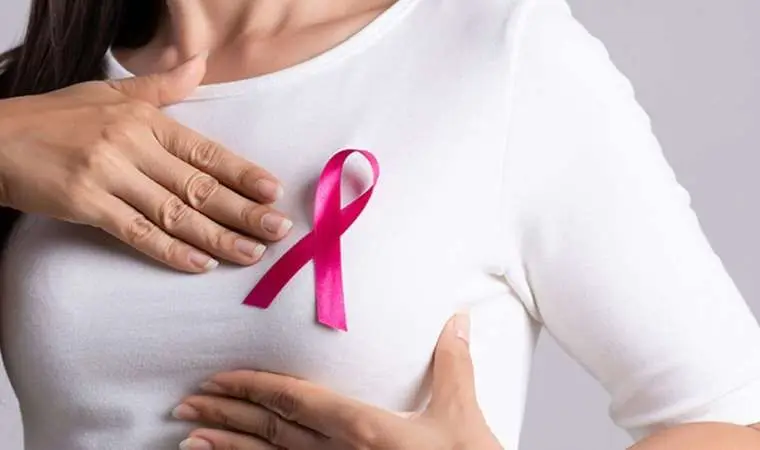
Breast Cancer: Symptoms, Causes, Risk Factors, and Prevention
Breast cancer is a cancer that starts in the cells of the breast. It is one of the most commonly diagnosed cancers in women worldwide, but it can also affect men, although much less often. Breast cancer may appear as a lump, a skin change, nipple discharge, or nipple changes, but it may also cause no obvious symptoms in its early stages.
Not all breast cancer cases can be prevented, because some risk factors such as age, genetics, and family history cannot be changed. However, some risks may be reduced through a healthy lifestyle, limiting alcohol, maintaining a healthy weight, staying physically active, and discussing appropriate screening with a healthcare professional.
Key Takeaways
- Breast cancer can affect women and men, but it is much more common in women.
- Possible symptoms include a breast or underarm lump, breast shape changes, nipple changes, abnormal discharge, or skin changes.
- Age, family history, BRCA1 and BRCA2 mutations, dense breast tissue, and hormonal factors may increase risk.
- Mammography is an important screening tool for many women, depending on age, individual risk, and local guidelines.
- Healthy eating and physical activity cannot guarantee prevention, but they may help reduce some modifiable risk factors.
- No herb or supplement has been proven to prevent or treat breast cancer, and some supplements may interfere with cancer treatment.
What Is Breast Cancer?
Breast cancer develops when abnormal cells in breast tissue grow in an uncontrolled way. It may begin in the milk ducts, lobules, or other breast tissues. In some cases, cancer remains localized, while in others it may spread to lymph nodes or other parts of the body if not detected and treated.
Not every lump or breast change is cancer. Many breast lumps are benign, such as cysts or fibroadenomas. Still, any new lump or unusual change should be checked by a healthcare professional.
If you want to understand food patterns in relation to modifiable risk factors, you can also read Vitaminati’s article on nutrition for breast cancer prevention.
What Causes Breast Cancer?
There is no single cause of breast cancer. In many cases, it develops from a combination of genetic, hormonal, environmental, and lifestyle-related factors. Having a risk factor does not mean someone will definitely develop breast cancer, and having no obvious risk factor does not mean the risk is zero.
Age and Sex
Breast cancer risk increases with age, and many cases occur after age 50. Being female is one of the strongest risk factors, although men can develop breast cancer too.
Family History and Genetic Mutations
Having a mother, sister, or daughter with breast cancer may increase personal risk, especially if the cancer was diagnosed at a young age or if multiple relatives were affected. Inherited mutations such as BRCA1 and BRCA2 can increase the risk of breast and ovarian cancers. In these cases, genetic counseling or a personalized screening plan may be recommended.
Hormonal Exposure
Longer lifetime exposure to estrogen may be associated with increased breast cancer risk in some women. Examples include early menstruation, late menopause, or some types of menopausal hormone therapy used for long periods. Decisions about hormone therapy should be made with a doctor after weighing individual benefits and risks.
Dense Breast Tissue
Dense breast tissue contains more fibrous and glandular tissue than fatty tissue. Breast density may be associated with higher risk and can also make mammograms harder to read. Breast density cannot be determined by touch alone; it is usually reported after a mammogram.
Weight, Physical Activity, and Alcohol
Excess weight after menopause, low physical activity, and alcohol intake may be associated with increased breast cancer risk. Maintaining a healthy weight, staying active, and limiting alcohol may help reduce some modifiable risks.
Previous Radiation to the Chest
Previous radiation therapy to the chest, especially at a young age, may increase breast cancer risk later in life. People with this history may need a different follow-up or screening plan based on medical advice.
What Are the Symptoms of Breast Cancer?
Breast cancer may cause no symptoms at first and may be detected on a mammogram before a lump can be felt. However, there are warning signs that should not be ignored.
- A new lump in the breast or underarm.
- A change in the size, shape, or feel of the breast.
- Thickening or swelling in part of the breast.
- Dimpling or puckering of the breast skin, sometimes compared to orange peel.
- Redness, scaling, or irritation of the breast skin or nipple area.
- Nipple inversion or new nipple pain.
- Nipple discharge other than breast milk, especially if bloody.
- Breast pain that does not go away or is located in one specific area.
These symptoms do not always mean cancer, but they should be evaluated, especially if they are new, persistent, or only on one side.
When Should You See a Doctor?
See a doctor if you notice a new breast lump, nipple change, abnormal discharge, a clear skin change, or persistent breast pain. You should also seek guidance if you have a strong family history of breast or ovarian cancer, or if you are unsure when to start breast cancer screening.
Preventive care is not only about cancer. It also includes checking blood pressure, blood sugar, cholesterol, and overall health. Vitaminati’s article on health checkups and preventive care explains why regular follow-up can help detect problems before they become more serious.
How Is Breast Cancer Detected Early?
Mammography
A mammogram is an X-ray image of the breast used to screen for breast cancer in women within certain age or risk groups. It can detect some cancers before they can be felt or cause symptoms.
Recommendations for when to start screening and how often to repeat it vary by age, family history, breast density, genetic risk, and local medical guidelines. It is best to discuss the right screening plan with your doctor instead of relying on one age rule for everyone.
Clinical Breast Exam and Breast Awareness
A clinical breast exam by a healthcare professional may be part of evaluation, especially when symptoms are present. Being familiar with how your breasts normally look and feel can also help you notice new changes. Breast self-awareness should not replace mammography or medical evaluation, but it can help you seek care earlier when something changes.
Additional Tests for People at Higher Risk
Some people at higher risk may need additional tests, such as breast MRI or specialist follow-up. This may include people with certain inherited mutations, a strong family history, or prior chest radiation at a young age.
How Can You Reduce the Risk of Breast Cancer?
Breast cancer risk cannot be removed completely, but some modifiable risks can be reduced. The goal is to build a lifestyle that supports overall health and lowers risk where possible.
1. Maintain a Healthy Weight
Excess weight, especially after menopause, may be linked with higher breast cancer risk. Weight is not the only factor, but it is one modifiable part of a broader health plan.
2. Stay Physically Active
Regular physical activity can support weight management, insulin sensitivity, cardiovascular health, and general wellbeing. Start with realistic activities such as brisk walking, light resistance training, swimming, or any safe movement you can maintain.
3. Limit Alcohol and Avoid Smoking
Limiting or avoiding alcohol may help reduce breast cancer risk. Avoiding smoking also supports overall health and reduces the risk of many diseases, including some cancers.
4. Breastfeed When Possible
Breastfeeding may be associated with a lower risk of breast cancer in some women, especially when continued for several months. However, breastfeeding depends on many health and personal factors, and it should not be a source of pressure or guilt.
5. Discuss Hormone Therapy With Your Doctor
If you are considering hormone therapy for menopausal symptoms, discuss the benefits and risks with your doctor, especially if you have a family history or other breast cancer risk factors.
Can Herbs or Foods Prevent Breast Cancer?
Many online claims suggest that green tea, turmeric, flaxseed, garlic, or other foods can “fight” cancer. These foods may contain beneficial plant compounds and can be part of a healthy diet, but they do not guarantee prevention and they do not treat breast cancer.
It is better to think about diet as a complete pattern: vegetables, fruits, whole grains, healthy proteins, beneficial fats, and less ultra-processed food. Concentrated herbal extracts, especially during cancer treatment, should be used cautiously because some may interact with medications or therapy.
Green Tea
Green tea as a moderate beverage may fit into a healthy diet for many people. However, concentrated green tea extracts are not suitable for everyone and have been linked with liver problems in some cases.
Turmeric
Turmeric contains curcumin, a compound studied in many types of research. However, current evidence is not strong enough to use turmeric or curcumin supplements to prevent or treat breast cancer. Curcumin supplements may also interact with some medications.
Flaxseed
Flaxseed contains fiber and lignans and may be a useful food when eaten in moderation. It should not be used as a substitute for screening, treatment, or medical advice.
Do Supplements Help Prevent Breast Cancer?
No dietary supplement has been proven to prevent breast cancer in the general population. Supplements may help correct a confirmed deficiency, but they do not replace a balanced diet, physical activity, or early detection.
Vitamin D
Vitamin D is important for bone health and several body functions, but taking vitamin D supplements does not mean breast cancer prevention. If deficiency is suspected, a blood test can help guide the appropriate dose with a doctor or pharmacist.
For more about deficiency signs, read Vitaminati’s guide to vitamin D deficiency symptoms.
Omega-3 and Antioxidants
Omega-3 fatty acids and antioxidants can be part of a healthy diet when obtained from foods such as fish, nuts, vegetables, and fruits. However, taking high-dose supplements does not necessarily provide stronger protection and may not be suitable for everyone.
CoQ10 and Probiotics
CoQ10 and probiotics may be used for specific health goals, but there is not enough evidence to use them as breast cancer prevention supplements. If you are receiving cancer treatment, do not use supplements without discussing them with your oncology team.
Breast Cancer and Other Types of Cancer
Different cancers have different risk factors. Breast cancer is influenced by factors such as age, sex, family history, hormones, breast density, and weight. Lung cancer is strongly linked to smoking and inhaled exposures, while colorectal cancer is influenced by factors such as age, family history, bowel conditions, and diet patterns.
For broader cancer education, you may also read Vitaminati’s articles on lung cancer symptoms, causes, and prevention and colorectal cancer symptoms and prevention.
Practical Tips for Breast Health
- Know how your breasts normally look and feel, and seek care if something changes.
- Discuss the right mammogram schedule based on your age and individual risk.
- Maintain a healthy weight when possible, especially after menopause.
- Stay physically active in a way that is safe and realistic for you.
- Limit alcohol and avoid smoking.
- Follow a balanced diet rich in vegetables, fruits, whole grains, and healthy proteins.
- Do not use herbs or supplements as substitutes for screening or treatment.
- Ask your doctor about genetic counseling if you have a strong family history or a known inherited mutation.
FAQs About Breast Cancer
1. What are the first symptoms of breast cancer?
The first symptom may be a new lump in the breast or underarm, or a change in the skin or nipple. Some cases cause no early symptoms and are detected only through screening.
2. Does every breast lump mean cancer?
No. Many breast lumps are benign, but any new or persistent lump should be checked by a healthcare professional to identify the cause.
3. Can men get breast cancer?
Yes. Breast cancer in men is rare compared with women, but it can happen. A man should see a doctor for a breast lump, nipple discharge, or skin changes.
4. Can breast cancer be completely prevented?
No. Not all cases can be prevented because some risk factors cannot be changed. However, risk may be reduced through physical activity, healthy weight management, limiting alcohol, and avoiding smoking.
5. When should I start mammogram screening?
This depends on age, family history, breast density, genetics, and local guidelines. Discuss your individual risk with a healthcare professional to decide when to start and how often to screen.
6. Does breast self-exam replace mammography?
No. Breast awareness can help you notice changes, but it does not replace mammography or medical evaluation when needed.
7. Does vitamin D prevent breast cancer?
There is not enough evidence to use vitamin D as a proven breast cancer prevention method. It may be used when deficiency is confirmed or suspected under professional guidance.
8. Do green tea or turmeric treat breast cancer?
No. These foods may fit into a healthy diet, but they do not treat breast cancer and should not replace medical care.
9. Does breastfeeding reduce breast cancer risk?
Breastfeeding may be associated with lower breast cancer risk in some women, but it is not a guarantee of prevention and may not be possible or suitable for everyone.
10. When should I consider genetic counseling?
Genetic counseling may be useful if you have a strong family history of breast or ovarian cancer, cancer diagnosed at a young age in the family, or a known inherited mutation.
Conclusion
Breast cancer is common, but awareness of risk factors, symptoms, and early detection can make an important difference. Herbs and supplements should not be relied on for prevention or treatment. The safer approach is to follow appropriate screening, seek medical care for any new breast change, and build habits that support overall health.
If you have a strong family history, notice a new lump, or see any new breast change, do not wait. Early medical evaluation is the safest way to understand what is happening and choose the right next step.
Medical disclaimer: This article is for general educational purposes only and is not a substitute for diagnosis or treatment. If you notice any breast change, have a strong family history, or are receiving cancer treatment, consult a qualified healthcare professional before using any supplement or herb.