Calcium Supplements: Key Benefits for Bone and Joint Health
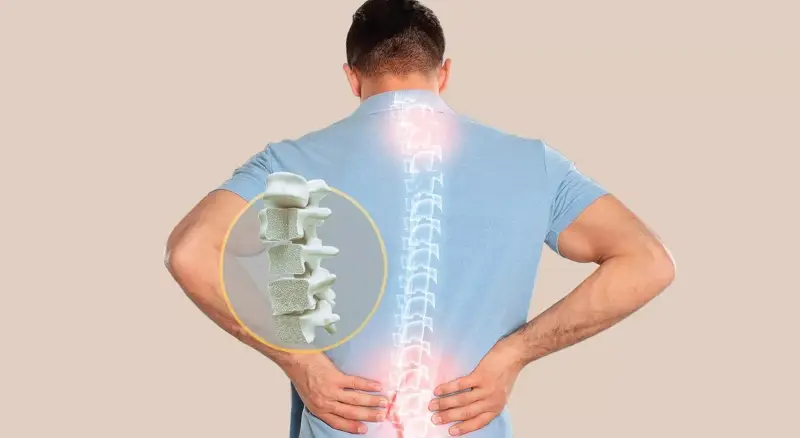
Calcium is one of the most important minerals in the body. It helps build bones and teeth, supports muscle contraction, contributes to nerve signaling, and participates in blood clotting. For this reason, calcium supplements are often linked with bone health, but they are not necessary for everyone and should not be used in high doses without a clear need.
In many cases, calcium can be obtained through food, including dairy products, fortified drinks, tofu, some fish, nuts, seeds, and leafy greens. However, some people may need calcium supplements if dietary intake is low, if they have risk factors for low bone density, or if a healthcare professional recommends them based on age, sex, pregnancy, breastfeeding, diet, or health status.
To explore this mineral more broadly, you can visit Vitaminati’s calcium hub or read the article Calcium Supplements: Key Benefits for Bone and Joint Health.
What Does Calcium Do in the Body?
Calcium is best known for supporting strong bones and teeth, but the body also uses calcium for several other essential functions. Low calcium intake, poor absorption, or imbalanced calcium regulation may affect more than one body system.
- Bones and teeth: Most calcium in the body is stored in bones and teeth, giving them strength and structure.
- Muscles: Calcium helps muscles contract normally, including the heart muscle.
- Nerves: It contributes to nerve signal transmission between cells.
- Blood clotting: Calcium participates in important steps of the clotting process.
- Cell functions: Calcium acts as a signal inside cells to regulate many biological processes.
Benefits of Calcium Supplements: When Are They Useful?
Calcium supplements may be useful when a person cannot meet calcium needs through food or when a life stage or medical situation increases the need for support. However, supplements are not a replacement for a balanced diet and should not be the first step before assessing dietary intake.
1. Supporting Bone and Tooth Health
Calcium helps build bones during childhood and adolescence, maintain bone mass during adulthood, and reduce bone-density loss with aging. However, calcium does not work alone. The body also needs vitamin D, protein, movement, and healthy lifestyle habits to support bone strength.
You can read Calcium + Vitamin D3: For Strong Bones and Joints to understand the relationship between calcium and vitamin D more clearly.
2. Supporting Muscle Function
Calcium is involved in muscle contraction, while other minerals such as magnesium help maintain neuromuscular balance. Muscle cramps do not always mean calcium deficiency, and repeated cramps may require broader assessment.
If cramps are frequent, it may also be helpful to understand the role of magnesium in muscle and nerve function.
3. Supporting Nerve Signaling
Calcium helps nerve cells send signals normally. It works as part of a wider mineral and vitamin network that supports balanced nervous system function.
4. Participating in Blood Clotting
The body needs calcium within the chain of reactions that help blood clot after injury. However, abnormal bleeding or clotting problems are not treated with calcium supplements alone and require medical evaluation.
5. Supporting People With Low Intake Risk
Some people may not get enough calcium from food, including those who avoid dairy without fortified alternatives, older adults, some postmenopausal women, and people with restricted diets. In these cases, supplementation may be helpful when food is not enough.
Do You Need a Calcium Supplement?
Not everyone needs calcium supplements. The first step is to estimate how much calcium you get from food. If your diet already provides enough calcium, supplements may not add clear benefit and may increase side effects if intake becomes excessive.
Calcium supplements may be considered in situations such as:
- Low calcium intake from food.
- Lactose intolerance or dairy avoidance without fortified alternatives.
- Some cases of osteoporosis or low bone density.
- Pregnancy or breastfeeding when dietary intake is insufficient, with professional guidance.
- Some vegan diets if fortified or calcium-rich sources are limited.
- Medication use or health conditions that affect bone health, based on medical evaluation.
Natural Sources of Calcium
Before using supplements, it is usually best to improve calcium intake from food. Calcium-rich foods often provide other helpful nutrients such as protein, phosphorus, potassium, B vitamins, or vitamin D in fortified products.
Animal-Based Calcium Sources
- Milk.
- Yogurt.
- Cheese.
- Canned sardines or salmon with bones.
Plant-Based and Fortified Calcium Sources
- Calcium-fortified soy, almond, oat, or other plant-based drinks.
- Tofu prepared with calcium sulfate.
- Tahini and sesame seeds.
- Almonds and chia seeds.
- Leafy greens such as kale and collard greens. Spinach contains calcium but is also high in oxalates, which reduce calcium absorption.
- Beans and some legumes.
- Dried figs and oranges in moderate amounts.
Calcium and Vitamin D: Why Are They Mentioned Together?
Vitamin D helps the body absorb calcium from the intestine. This means that increasing calcium alone may not be enough if vitamin D status is low. For this reason, some supplements combine calcium with vitamin D3.
You can read Vitaminati’s article on vitamin D for strong bones to understand its role in calcium absorption and bone health.
Types of Calcium Supplements
Calcium supplements differ in form, elemental calcium content, and how they are taken. Two common forms are calcium carbonate and calcium citrate.
1. Calcium Carbonate
Calcium carbonate usually provides a higher amount of elemental calcium. It is often best taken with food because it depends more on stomach acid for absorption.
2. Calcium Citrate
Calcium citrate may be easier to absorb for some people and can be taken with or without food. It may suit people with lower stomach acid or those using certain acid-reducing medicines, but the best choice depends on the individual situation.
Best Time to Take Calcium Supplements
The best time depends on the supplement type, dose, and medications being used. If the dose is high, dividing it into smaller doses may improve absorption and tolerance. Calcium should also be separated from some medications and other supplements.
- Calcium carbonate: usually taken with food.
- Calcium citrate: can be taken with or without food depending on tolerance.
- With iron: calcium and iron supplements are usually best taken at different times.
- With thyroid medication or some antibiotics: spacing is often needed according to doctor or pharmacist advice.
Important Precautions When Using Calcium Supplements
1. Kidney Stone Risk
High doses of calcium supplements may increase kidney-stone risk in some people, especially when several supplements are combined or total intake exceeds need. Appropriate dosing matters.
2. Interaction With Iron Absorption
Calcium may reduce iron absorption when taken at the same time. If you use an iron supplement or have iron deficiency, it is often better to separate them. You can read Vitaminati’s article on iron deficiency symptoms in women if you have signs such as fatigue, dizziness, or heavy periods.
3. Constipation and Bloating
Some calcium supplements may cause constipation, bloating, or digestive discomfort. Drinking enough water, increasing fiber, staying active, or changing the supplement type may help, but persistent symptoms should be discussed with a healthcare professional.
4. Medication Interactions
Calcium can interact with some medications, including certain antibiotics, osteoporosis medicines such as bisphosphonates, thyroid medication such as levothyroxine, and some diuretics. Ask about the correct spacing schedule.
5. Pregnancy and Breastfeeding
Calcium is important during pregnancy and breastfeeding, but supplements should not be taken in high doses without guidance. It is better to assess dietary intake, vitamin D status, and overall health before choosing a dose.
Possible Risks of Too Much Calcium
Too much calcium, especially from supplements, may cause health problems in some people. Possible symptoms or risks include:
- Constipation, abdominal pain, or bloating.
- Increased kidney-stone risk in some groups.
- High blood calcium when intake is excessive or certain health conditions are present.
- Reduced absorption of iron, zinc, and some medications.
- Possible unsuitability for some people with kidney disease or recurrent kidney stones.
Who Should Ask a Doctor Before Taking Calcium?
- People with kidney stones or recurrent stone history.
- People with kidney disease or reduced kidney function.
- People with high blood calcium.
- People using thyroid medication.
- People using certain antibiotics or osteoporosis medications.
- People using diuretics or heart medications.
- Pregnant or breastfeeding women when higher doses are needed.
Common Mistakes When Using Calcium Supplements
- Using calcium without estimating how much calcium the diet already provides.
- Relying on calcium alone for bone health while ignoring vitamin D, protein, and physical activity.
- Taking calcium and iron at the same time.
- Exceeding the daily dose because “more calcium means stronger bones.”
- Ignoring a history of kidney stones or kidney disease before supplement use.
- Not separating calcium from medications that interact with it.
FAQs
1. What are the benefits of calcium supplements?
Calcium supplements may help support calcium needs when diet is not enough, especially for bone and tooth health, muscle function, nerve signaling, and blood clotting.
2. Does everyone need calcium supplements?
No. Many people can meet their calcium needs through food. Supplements are more useful when intake is low, risk factors are present, or a healthcare professional recommends them.
3. What are the best natural sources of calcium?
Good sources include milk, yogurt, cheese, fortified plant-based drinks, tofu prepared with calcium, sardines with bones, almonds, tahini, and chia seeds.
4. What is the relationship between calcium and vitamin D?
Vitamin D helps the body absorb calcium, so both nutrients are important for bone health.
5. Can calcium supplements cause kidney stones?
High supplemental calcium intake may increase kidney-stone risk in some people, so excessive intake should be avoided.
6. Does calcium affect iron absorption?
Calcium may reduce iron absorption when both are taken together, so calcium and iron supplements are often better taken at different times.
7. What is the best time to take calcium supplements?
Calcium carbonate is usually taken with food, while calcium citrate can be taken with or without food. Spacing from certain medications may be needed.
8. Who should ask a doctor before taking calcium?
People with kidney stones, kidney disease, high blood calcium, heart disease, or those using medications such as levothyroxine, certain antibiotics, osteoporosis medications, or diuretics should ask a healthcare professional first.
Conclusion
Calcium is essential for bones, teeth, muscle function, nerve signaling, and blood clotting. However, calcium supplements are not necessary for everyone. It is usually best to start by assessing dietary intake and natural calcium sources before using supplements.
When calcium supplementation is needed, the type and dose should be chosen based on age, diet, vitamin D status, medications, and health conditions. Taking more calcium does not automatically mean better bone protection and may increase the risk of constipation, drug interactions, and kidney stones in some people.