Can the body get all vitamins from food alone?
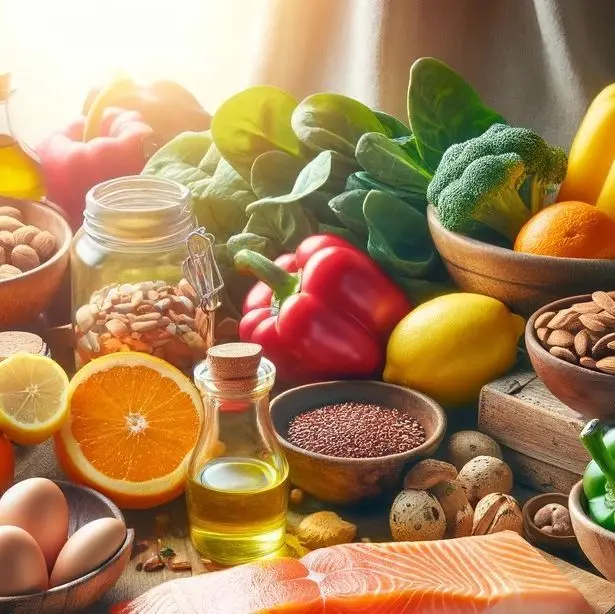
Can your daily plate really give your body all the vitamins it needs? The reassuring answer is: often, yes. A varied, balanced diet can cover most vitamin and mineral needs for many healthy people. But the more accurate answer is: not always, and not for everyone.
Natural food is the foundation because it does not provide vitamins in isolation. It also delivers fiber, protein, healthy fats, minerals, antioxidants, and plant compounds that work together inside the body. This is why vitamins should not be seen only as numbers on a label, but as part of the overall quality of the diet.
However, some situations may make food alone insufficient. Pregnancy, breastfeeding, strict vegan diets, older age, malabsorption disorders, bariatric surgery, limited sun exposure, and confirmed nutrient deficiencies may all increase the need for targeted support. In these cases, dietary supplements can be useful tools, but they should support the diet rather than replace it.
Can You Get All Vitamins From Food Alone?
Most healthy people can get most vitamins and minerals from a varied and balanced diet, especially when meals include vegetables, fruits, whole grains, legumes, protein foods, nuts, seeds, and dairy products or fortified alternatives when needed.
But the answer depends on the person, not just the food. Does the person eat a varied diet? Do they have a condition that affects absorption? Are they following a restrictive diet? Are they vegan? Do they get enough sunlight? Do they use long-term medications? Are there symptoms or lab tests suggesting deficiency?
Understanding the difference between vitamins and minerals helps clarify nutritional needs because the body requires both organic nutrients, such as vitamins, and inorganic nutrients, such as minerals, in small but essential amounts.
Why Food Is the Best Foundation for Nutrients
Natural food provides nutrients within a complete “food matrix.” An orange does not provide vitamin C alone; it also provides water, fiber, and plant compounds. Almonds do not provide vitamin E alone; they also provide healthy fats, magnesium, and plant-based protein.
This matters because the body does not use nutrients in isolation. Healthy fats help absorb fat-soluble vitamins such as A, D, E, and K, while vitamin C can improve the absorption of non-heme iron from plant foods such as lentils, beans, and spinach.
Vitamin absorption in the body depends on more than the amount of vitamin in food. It can also be affected by meal composition, gut health, fat intake, fiber, medications, and medical conditions that affect digestion or absorption.
When Is Food Usually Enough?
Food is often enough when the diet is varied, calorie intake is adequate, there is no severe dietary restriction, no medical condition affecting absorption, and no special nutritional requirement such as pregnancy, breastfeeding, or a confirmed deficiency.
A person who regularly eats vegetables, fruits, legumes, whole grains, proteins, and healthy fats is more likely to meet most daily vitamin needs. For most people, better nutrition begins with the plate, not the supplement shelf.
Understanding what vitamins are and why the body needs them also helps explain their role in immunity, energy, nerve function, skin, bones, blood, and metabolism.
Vitamins That Are Easier to Get From Food
Some vitamins are relatively easy to obtain from food when the diet is varied and includes whole, nutrient-dense foods.
Vitamin C
Vitamin C is found in citrus fruits, strawberries, kiwi, bell peppers, broccoli, tomatoes, and parsley. It supports normal immune function, collagen formation, and the absorption of non-heme iron from plant foods.
Vitamin A
Vitamin A is available as preformed vitamin A in animal foods such as liver, eggs, and dairy products. Plant foods such as carrots, sweet potatoes, pumpkin, and spinach provide beta-carotene, which the body can convert into vitamin A. The different types of vitamin A matter because animal and plant sources are not exactly the same, and excessive intake from supplements may be harmful.
Vitamin K
Vitamin K is found in leafy greens such as spinach, kale, arugula, and broccoli. It supports normal blood clotting and bone health. People taking blood thinners such as warfarin should speak with their healthcare provider before making major changes to vitamin K intake.
Most B Vitamins
B vitamins are found in whole grains, legumes, nuts, eggs, meat, fish, and dairy products. Vitamin B12 is the main exception because it is naturally found primarily in animal-based foods, making it important for strict vegans to plan carefully.
Vitamins That May Be Harder to Get From Food Alone
Although food is the foundation, some vitamins and nutrients may be difficult to cover fully through diet in certain people. This may be due to limited food sources, lifestyle factors, absorption problems, or increased needs during specific life stages.
Vitamin D
Vitamin D is one of the vitamins that can be difficult to obtain in sufficient amounts from food alone. It is found in fatty fish, egg yolks, liver, and some fortified foods, but sunlight exposure remains an important factor for many people.
The risk of low vitamin D may increase with limited sun exposure, covering most of the skin, darker skin tone, obesity, older age, malabsorption disorders, and certain medications. Testing may be helpful before choosing a dose. Vitamin D dosage recommendations can help explain safe dosing and why random high-dose use is not ideal.
Vitamin B12
Vitamin B12 is naturally found in meat, fish, eggs, milk, and cheese. Plant foods do not reliably contain B12 unless they are fortified. Strict vegans usually need fortified foods or B12 supplements.
Older adults, people with absorption problems, and people using certain long-term medications may also need B12 assessment. Vitamin B12 deficiency may develop when intake or absorption is insufficient, so the need for supplementation should be assessed based on diet, symptoms, risk factors, and lab results when appropriate.
Folic Acid and Iron During Pregnancy
Pregnancy is one of the situations where relying on food alone is not always recommended for certain nutrients. Folic acid is important before pregnancy and in early pregnancy, while iron needs may increase as blood volume expands. Medical recommendations often include specific supplements before or during pregnancy depending on the person’s needs, lab results, and healthcare guidance.
Other Nutrients Depending on the Situation
Some people may also need special attention to magnesium, zinc, iodine, calcium, or omega-3 depending on diet and health status. There is no single answer for everyone; needs should be assessed based on age, diet quality, symptoms, lab testing, medical history, and medication use.
Natural Food Sources of Vitamins
To improve vitamin intake from food, focus on variety across food groups instead of depending on one “superfood.”
- Leafy greens: provide vitamin K, folate, vitamin C, and some vitamin A compounds.
- Fruits: citrus fruits, kiwi, strawberries, and berries provide vitamin C and antioxidants.
- Orange and yellow vegetables: carrots, sweet potatoes, and pumpkin provide beta-carotene.
- Nuts and seeds: provide vitamin E, magnesium, zinc, and healthy fats.
- Whole grains and legumes: provide some B vitamins, fiber, magnesium, and plant-based iron.
- Fatty fish: provide vitamin D, vitamin B12, and omega-3 fatty acids.
- Eggs and dairy products: provide B12 and some vitamin D and vitamin A, depending on the product.
- Meat and poultry: provide B12, B6, niacin, iron, and zinc.
- Fortified foods: may help cover B12 or vitamin D, especially for vegans or people with limited sun exposure.
Food preparation also matters. Some vitamins, especially vitamin C and certain B vitamins, can be affected by heat and water. Understanding how cooking methods affect vitamin content in food may help reduce nutrient loss where possible.
Table: Key Vitamins and Their Food Sources
| Vitamin | Main Food Sources | When It May Need Special Attention |
|---|---|---|
| Vitamin C | Citrus fruits, strawberries, kiwi, bell peppers, broccoli | Low fruit and vegetable intake |
| Vitamin A | Carrots, sweet potatoes, liver, eggs, leafy greens | Malabsorption or very low-fat diets |
| Vitamin D | Fatty fish, eggs, fortified foods, sunlight exposure | Limited sun exposure or confirmed deficiency |
| Vitamin B12 | Meat, fish, eggs, milk, fortified foods | Strict vegan diets, older age, absorption problems |
| Vitamin K | Spinach, broccoli, kale, arugula | People using blood thinners such as warfarin |
| Vitamin E | Almonds, seeds, vegetable oils, avocado | Very low-fat diets or malabsorption |
| Folate | Leafy greens, legumes, fortified grains | Before and during pregnancy, based on medical advice |
When Food Alone May Not Be Enough
Although food is essential, some situations increase nutrient needs or reduce absorption. In these cases, supplements or medical follow-up may be needed.
- Pregnancy and pregnancy planning: folic acid, iron, vitamin D, or other nutrients may be needed depending on recommendations and lab results.
- Breastfeeding: some nutrient needs may increase, especially if the diet is limited.
- Older age: vitamin B12 absorption may decline, and sun exposure or appetite may be lower.
- Strict vegan diets: B12 usually needs to come from fortified foods or supplements.
- Digestive conditions: celiac disease, Crohn’s disease, and inflammatory bowel disease may affect absorption.
- Bariatric or gastrointestinal surgery: absorption of several vitamins and minerals may decrease.
- Long-term medication use: some medicines may affect levels of B12, vitamin D, magnesium, or other nutrients.
- Very restrictive or low-calorie diets: these may reduce nutrient variety and increase deficiency risk.
In these situations, the goal is not random supplement use. The goal is to identify the actual need, then choose the correct nutrient and dose safely.
Dietary Supplements: When Are They Useful?
Dietary supplements can be useful when there is a confirmed deficiency, difficulty getting a nutrient from food, a special life-stage need such as pregnancy, or a condition that affects absorption. They should not be used as a full substitute for a poor diet.
The difference between natural vitamins and dietary supplements is practical rather than competitive: food is the foundation, and supplements are tools used when there is a clear reason.
Reading the label is also important before taking any product because people may accidentally take more than one supplement containing the same nutrient. Reading vitamin nutrition labels helps clarify dose, daily value, ingredients, warnings, and duplicate nutrients.
When Can Supplements Become Unsafe?
Supplements may become unsafe when used in high doses, when several products contain the same nutrient, when a person has a chronic medical condition, or when a supplement interacts with medications.
Extra caution is needed with fat-soluble vitamins such as A, D, E, and K because they can accumulate in the body to varying degrees. Minerals such as iron, calcium, and zinc can also cause side effects or drug interactions when taken in excess.
The word “natural” does not always mean safe. Safety depends on the dose, actual need, health condition, medications used, pregnancy or breastfeeding status, and duration of use.
Food or Supplements? The Practical Difference
| Natural Food | Dietary Supplements |
|---|---|
| Provides vitamins and minerals along with fiber, antioxidants, and plant compounds. | Provides one or more nutrients in measured doses. |
| Supports fullness, digestion, and gut health. | Does not replace food variety and usually does not provide fiber. |
| Lower risk of excessive doses when the diet is balanced. | May lead to high doses if used without checking totals. |
| The first choice for most healthy people. | Useful when there is deficiency, special need, or medical recommendation. |
Food is the foundation, and supplements help when needed. The best choice is not always one or the other; it is knowing when food is enough and when the body needs targeted support.
Best Vitamin-Rich Foods to Add to Your Diet
To improve vitamin intake from food, start with foods that provide more than one nutrient at the same time.
- Spinach and broccoli: provide vitamin K, vitamin C, and folate.
- Carrots and sweet potatoes: are rich in beta-carotene, a plant source of vitamin A.
- Fatty fish and sardines: provide vitamin D, B12, and omega-3 fatty acids.
- Citrus fruits and kiwi: are excellent sources of vitamin C.
- Almonds and seeds: provide vitamin E, magnesium, and healthy fats.
- Whole grains and legumes: provide some B vitamins, fiber, and minerals.
- Eggs and dairy products: provide B12 and some fat-soluble vitamins.
- Fortified foods: may help cover vitamin D or B12, especially in limited diets.
How to Get More Vitamins From Food
- Vary the colors of vegetables and fruits throughout the week.
- Make half the plate vegetables and fruits when possible.
- Choose whole grains instead of refined grains most of the time.
- Add a protein source to each meal, such as eggs, fish, chicken, legumes, or yogurt.
- Use healthy fats such as olive oil, nuts, seeds, or avocado to support absorption of fat-soluble vitamins.
- Avoid overcooking vegetables, and use steaming or quick cooking when appropriate.
- Add vitamin C to meals with plant-based iron, such as lemon with lentils or beans.
- Pay attention to fortified foods if you are vegan or have limited sun exposure.
When Should You Test Before Taking a Supplement?
Testing may be useful when symptoms persist or risk factors are clear, especially before using high doses. Testing is commonly considered when vitamin D, vitamin B12, iron, or folate deficiency is suspected.
Symptoms such as severe fatigue, dizziness, numbness, hair loss, poor concentration, pale skin, muscle aches, or frequent infections do not always mean vitamin deficiency. However, they do deserve proper medical evaluation instead of starting random supplements.
FAQ
Can you get all vitamins from food alone?
Yes, most people can get most vitamin needs from a varied diet, but some situations require supplements, such as vitamin D deficiency, B12 deficiency, pregnancy, iron deficiency, or restricted diets.
Which vitamins are harder to get from food?
Vitamin D can be difficult to cover from food alone, and vitamin B12 can be difficult to obtain on a strict vegan diet without fortified foods or supplements.
Do vegans need supplements?
Strict vegans usually need vitamin B12 from fortified foods or supplements. They may also need assessment for vitamin D, iron, zinc, iodine, or omega-3 depending on the diet.
Are dietary supplements always safe?
No. Supplements can be safe and useful when needed and used at appropriate doses, but they may cause problems when overused or when the same nutrient is repeated across several products.
What is the difference between food and supplements?
Food provides a complete mix of nutrients, fiber, and plant compounds, while supplements provide specific nutrients in concentrated doses to support a deficiency or special need.
Are vitamins from food always absorbed better than supplements?
Not always. Absorption depends on the vitamin type, nutrient form, gut health, dose, and the presence of fat or fiber. However, food remains the better foundation for overall health because it provides multiple nutrients together.
When should I test before taking a supplement?
Testing is preferred when vitamin D, B12, iron, or folate deficiency is suspected, especially with persistent symptoms such as severe fatigue, dizziness, numbness, hair loss, or poor concentration.
Scientific References
- World Health Organization — Healthy Diet
- NIH Office of Dietary Supplements — Dietary Supplements: What You Need to Know
- NIH Office of Dietary Supplements — Dietary Supplement Fact Sheets
- NIH Office of Dietary Supplements — Vitamin D Fact Sheet for Health Professionals
- NIH Office of Dietary Supplements — Vitamin B12 Fact Sheet for Health Professionals
- NIH Office of Dietary Supplements — Iron Fact Sheet for Health Professionals
- American College of Obstetricians and Gynecologists — Healthy Eating During Pregnancy
- Centers for Disease Control and Prevention — Folic Acid: Facts for Clinicians
- Harvard T.H. Chan School of Public Health — Vitamins and Minerals
Medical Disclaimer: This article is for general educational purposes only and does not replace advice from a doctor, pharmacist, or qualified healthcare professional. This is especially important for pregnant or breastfeeding women, older adults, vegans, people with digestive diseases, people who have had bariatric surgery, and anyone using long-term medicines or multiple supplements.