"Fenugreek Benefits: Blood Sugar, Weight Management
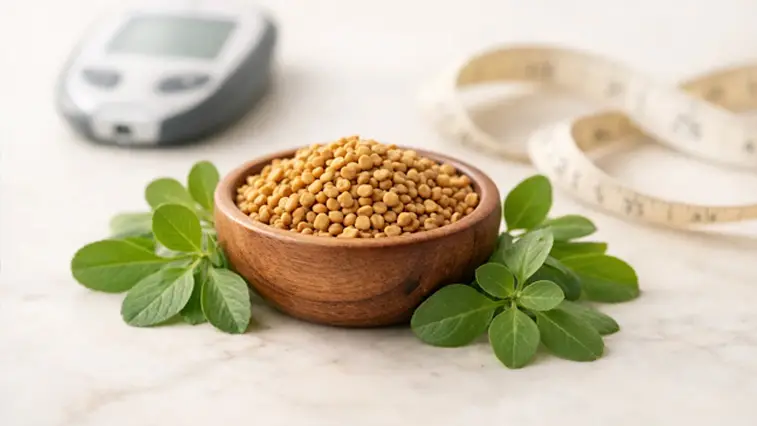
Fenugreek Benefits for Blood Sugar and Weight: Natural Support With Caution
Fenugreek (Trigonella foenum-graecum) is a popular herb and seed used in cooking, herbal drinks, and supplements. Many people search for fenugreek benefits for blood sugar, appetite control, weight management, and inflammation support.
Fenugreek seeds contain soluble fiber, saponins, plant proteins, and compounds such as 4-hydroxyisoleucine. These components are part of the reason fenugreek has been studied for blood sugar and metabolic health.
However, one point must be clear from the beginning: fenugreek does not treat diabetes, does not replace diabetes medication, and does not remove the need for blood sugar monitoring or medical follow-up. It may be used as supportive nutrition within a healthy lifestyle, but it requires caution in people taking glucose-lowering medications, blood thinners, or during pregnancy.
Key Takeaways
- Fenugreek may support some blood sugar markers in some people, but it is not a diabetes treatment.
- The soluble fiber in fenugreek seeds may slow carbohydrate absorption and support fullness.
- Fenugreek may help reduce appetite in some people, but it does not cause automatic weight loss.
- Fenugreek supplements require more caution than culinary use because they may be more concentrated.
- Caution is needed with diabetes medications, blood thinners, pregnancy, breastfeeding, and allergies to legumes such as peanuts, soy, or chickpeas.
What Is Fenugreek?
Fenugreek is an herb from the legume family. Its seeds and leaves are used in Indian, Middle Eastern, and North African cooking. Fenugreek seeds have a slightly bitter taste and a maple-like aroma. They can be used whole, soaked, ground into powder, or prepared as tea.
Nutritionally, fenugreek seeds contain fiber, plant protein, and several plant compounds that may influence appetite and blood sugar response. Still, the presence of these compounds does not mean fenugreek works like medication or that it is suitable for everyone.
Why Is Fenugreek Linked to Blood Sugar?
Fenugreek is linked to blood sugar mainly because of its soluble fiber content. Soluble fiber may slow stomach emptying and carbohydrate absorption, which can help reduce rapid post-meal blood sugar spikes in some people.
Some studies and reviews suggest that fenugreek may support selected glycemic markers, such as fasting blood sugar or HbA1c, especially in people with type 2 diabetes or prediabetes. However, results vary depending on dose, product form, diet quality, and duration of use.
To understand blood sugar control more broadly, you can read Vitaminati’s guide to type 2 diabetes causes, symptoms, prevention, and blood sugar control.
Potential Fenugreek Benefits for Blood Sugar and Metabolic Health
Fenugreek benefits for blood sugar should be described carefully. Fenugreek may be useful as part of a healthy lifestyle, but it does not replace medical treatment and is not appropriate for every person with diabetes.
| Potential Benefit | How It May Help | Evidence Limit |
|---|---|---|
| Post-meal blood sugar support | Soluble fiber may slow carbohydrate absorption and reduce rapid glucose rises. | The effect depends on the amount used, the meal, and medications. |
| Fasting blood sugar support | Some plant compounds may support glycemic control markers. | It does not replace diabetes medication or glucose monitoring. |
| Insulin sensitivity support | May influence how the body responds to insulin in some people. | Exercise, weight management, and diet quality remain the foundation. |
| Appetite support | Fiber may increase fullness and reduce food cravings in some people. | It does not cause weight loss without an appropriate calorie balance. |
Is Fenugreek Good for People With Diabetes?
Fenugreek may be useful for some people with diabetes as a supportive food ingredient, especially when used in moderate culinary amounts. However, supplements or high doses require extra caution because combining fenugreek with diabetes medication may increase the risk of low blood sugar in some people.
Diabetes care requires a complete plan that includes nutrition, physical activity, medication when needed, blood sugar monitoring, and regular medical follow-up. Do not add fenugreek supplements or suddenly increase your intake without guidance, especially if you use insulin, sulfonylureas, or other glucose-lowering medicines.
For a broader overview, you can also read Vitaminati’s comprehensive guide to type 2 diabetes.
Fenugreek and Insulin Sensitivity
Insulin sensitivity describes how well the body’s cells respond to insulin. When insulin sensitivity improves, the body can use glucose more efficiently. Some studies suggest that fenugreek may support this process in some people, but it should not be relied on alone.
The strongest lifestyle factors for insulin sensitivity include reducing added sugar, eating enough protein and fiber, walking, resistance training, sleeping well, and losing weight when appropriate.
Another herb studied in relation to blood sugar is ginger. You can read Vitaminati’s article on ginger benefits for type 2 diabetes.
Can Fenugreek Help With Weight Management?
Fenugreek may support appetite control because of its fiber content. Fiber can increase fullness and may reduce the desire to snack in some people. However, fenugreek tea or fenugreek powder does not automatically cause weight loss.
Weight management depends on calorie balance, food quality, physical activity, sleep, hormones, medications, and long-term consistency. Fenugreek can be a small part of the plan, but it is not a quick weight-loss solution.
The best way to use fenugreek for this goal is to include moderate amounts in balanced meals that contain protein and fiber, instead of relying on fenugreek alone before meals.
Does Fenugreek Reduce Inflammation?
Fenugreek contains plant compounds that have shown antioxidant and anti-inflammatory activity in some laboratory and animal studies. However, this does not mean fenugreek treats chronic inflammation or prevents diabetes complications.
Reducing inflammation depends on an overall eating pattern that includes vegetables, legumes, fish, olive oil, nuts, and fewer sugary or ultra-processed foods. Fenugreek may be part of this pattern, but it is not the only factor.
Fenugreek vs. Cinnamon: Which Is Better for Blood Sugar?
Fenugreek and cinnamon are two of the most common natural ingredients discussed for blood sugar support. Both may affect selected blood sugar markers in some people, but neither should replace diabetes medication or a balanced diet.
| Ingredient | How It May Support Blood Sugar | Main Warning |
|---|---|---|
| Fenugreek | Soluble fiber may slow carbohydrate absorption. | May increase the risk of low blood sugar with diabetes medications. |
| Cinnamon | May support some post-meal blood sugar markers in some people. | High intake of some cinnamon types may increase coumarin exposure. |
For comparison, you can read Vitaminati’s guide to cinnamon nutritional benefits and health uses.
How to Use Fenugreek
Fenugreek can be used in several forms. For most people, it is better to start with moderate food amounts rather than concentrated supplements.
| Form | How It Is Used | Important Note |
|---|---|---|
| Soaked fenugreek seeds | A small amount of seeds can be soaked in water and used with food. | May cause gas or digestive discomfort in some people. |
| Fenugreek powder | Added in small amounts to meals, soups, bread, or spice mixes. | Has a strong taste and may not suit everyone. |
| Fenugreek tea | Seeds are steeped or gently boiled in hot water. | Best taken without sugar, especially for people with diabetes. |
| Fenugreek supplements | Capsules or extracts with concentrated doses. | Require medical guidance, especially with diabetes or blood-thinning medication. |
How to Prepare Fenugreek Tea
Fenugreek tea can be prepared simply:
- Add one teaspoon of fenugreek seeds to one cup of water.
- Let the seeds steep, or simmer gently for a few minutes.
- Strain the drink and serve it warm.
- Avoid adding sugar or honey if you have diabetes or insulin resistance.
Start with a small amount to assess digestive tolerance. Fenugreek may cause gas, bloating, diarrhea, or stomach discomfort in some people.
What Is the Right Fenugreek Dose?
There is no single fenugreek dose that is right for everyone. The appropriate amount depends on the goal, product form, health status, and medications. Culinary use in food is different from using capsules or concentrated extracts.
If you take diabetes medication, do not start fenugreek supplements or high intakes without asking a doctor or pharmacist. You may need closer blood sugar monitoring when using fenugreek regularly.
Fenugreek Side Effects and Possible Risks
Fenugreek may be safe for many people when used in moderate food amounts, but side effects can occur, especially with high doses or supplements.
- Nausea, diarrhea, stomach cramps, gas, or bloating.
- Sweat or urine odor that resembles maple syrup in some people.
- Low blood sugar with high doses or when combined with diabetes medication.
- Allergic reactions, especially in people with legume allergies.
- Possible concern with bleeding risk when used with blood thinners or antiplatelet medicines.
Who Should Avoid Fenugreek or Ask a Doctor First?
- People with diabetes who use insulin or glucose-lowering medication.
- People taking blood thinners or antiplatelet medicines such as warfarin, aspirin, or clopidogrel.
- Pregnant women, because high doses may not be appropriate and may be linked with uterine contractions.
- Breastfeeding women, especially when using supplements or high doses, because safety data are limited.
- Children, because appropriate safety and dosing data are unclear.
- People with allergies to peanuts, soy, chickpeas, or other legumes.
- People scheduled for surgery or dental procedures.
- People taking several medications or supplements daily.
Is Fenugreek Safe During Pregnancy and Breastfeeding?
Using small amounts of fenugreek in food is different from using fenugreek supplements or high doses. During pregnancy, fenugreek supplements or large amounts should be avoided unless a healthcare professional recommends them.
During breastfeeding, fenugreek is traditionally used to support milk supply, but evidence and safety are not clear enough for every woman. If you are breastfeeding and have diabetes, take medication, or your baby has allergies or a health condition, ask a healthcare professional before using fenugreek.
Can Fenugreek Be Taken With Diabetes Medication?
Caution is needed. Fenugreek may support lower blood sugar in some people, so combining it with diabetes medication may increase the risk of hypoglycemia. This is especially important with insulin or medicines that stimulate insulin release.
If your healthcare provider approves fenugreek use, you may need to monitor blood sugar more closely and watch for symptoms of low blood sugar, such as sweating, shaking, intense hunger, dizziness, or a racing heartbeat.
Conclusion: Is Fenugreek Really Useful?
Fenugreek benefits for blood sugar and appetite control may be promising for some people, mainly because of its fiber and plant compounds. However, fenugreek is not a diabetes treatment and should not replace medication, balanced nutrition, or physical activity.
Fenugreek can be used as part of food or as an unsweetened herbal drink in moderate amounts. Supplements or high doses require special caution with diabetes medications, blood thinners, pregnancy, breastfeeding, and legume allergies.
The main rule is simple: use fenugreek as possible nutritional support, not as an independent treatment or replacement for your healthcare plan.
Frequently Asked Questions About Fenugreek
Does fenugreek lower blood sugar?
Fenugreek may support some blood sugar markers in some people, but it does not treat diabetes and should not replace medication or blood sugar monitoring.
Is fenugreek good for type 2 diabetes?
Fenugreek may be useful as part of the diet for some people, but caution is needed with diabetes medication because high doses may increase the risk of low blood sugar.
Does fenugreek tea help with weight loss?
It may support fullness in some people, but it does not cause weight loss on its own. Weight management requires balanced nutrition, physical activity, and an appropriate calorie pattern.
Can I drink fenugreek every day?
Some people tolerate moderate food amounts, but daily regular use or supplements require caution if you have medical conditions or take medication.
Is fenugreek safe during pregnancy?
Fenugreek supplements or high doses are not recommended during pregnancy unless approved by a healthcare professional. Culinary use is different from medicinal use.
Does fenugreek increase breast milk?
Fenugreek is traditionally used for this purpose, but evidence and safety are not clear for every case. Breastfeeding women should ask a healthcare professional before using high doses or supplements.
Does fenugreek interact with blood thinners?
Fenugreek may require caution with blood thinners or antiplatelet medicines, so ask a doctor or pharmacist before using it regularly.
Can fenugreek cause allergies?
Yes. Fenugreek may cause allergic reactions, especially in people with allergies to legumes such as peanuts, soy, or chickpeas.
Scientific References
- NCCIH – Fenugreek: Usefulness and Safety
- EMA – European Union herbal monograph on Trigonella foenum-graecum L., semen
- The Effect of Fenugreek in Type 2 Diabetes and Prediabetes: A Systematic Review and Meta-Analysis
- Effect of Fenugreek on Hyperglycemia: A Systematic Review and Meta-Analysis
- EMA – Assessment report on Trigonella foenum-graecum L., semen
Medical disclaimer: This article is for general educational purposes only and does not replace medical advice. If you have diabetes, take glucose-lowering medication or blood thinners, or are pregnant or breastfeeding, consult a healthcare professional before using fenugreek regularly or as a supplement.