HbA1c Test: What Your Diabetes Number Really Means
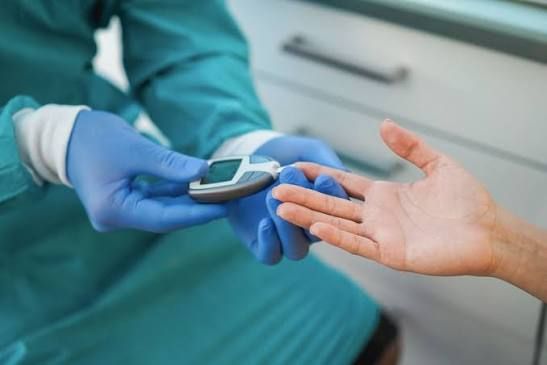
The HbA1c test, also called the A1C test or sugar average test, is one of the most important blood tests used in diabetes care. Unlike a fasting blood sugar test, which shows glucose at one moment, HbA1c gives an estimate of average blood glucose over the past two to three months.
This makes HbA1c useful for diagnosing prediabetes or diabetes and for monitoring long-term blood sugar control in people already diagnosed with diabetes. But the number should not be interpreted alone. A healthcare professional considers symptoms, other glucose tests, medications, medical history, and conditions that may affect the accuracy of the result.
Key Takeaways About the HbA1c Test
- HbA1c reflects average blood glucose over the past two to three months.
- It usually does not require fasting.
- According to ADA, below 5.7% is normal, 5.7% to 6.4% is prediabetes, and 6.5% or higher is diabetes range.
- HbA1c is useful for diagnosis and long-term monitoring, but it is not perfect for every person.
- Anemia, recent blood loss, pregnancy, kidney disease, liver disease, and hemoglobin variants may affect results.
- People with diabetes should not focus only on HbA1c; blood pressure, cholesterol, kidney health, eye health, and medication adherence also matter.
- Do not change diabetes medication based on one HbA1c result without medical advice.
What Is the HbA1c Test?
HbA1c stands for glycated hemoglobin. Hemoglobin is a protein inside red blood cells that carries oxygen. When glucose circulates in the blood, some of it attaches to hemoglobin. The HbA1c test measures the percentage of hemoglobin that has glucose attached to it.
Because red blood cells live for about two to three months, HbA1c gives a broader picture of blood glucose trends than a single finger-prick or fasting glucose reading.
This is why the test is commonly used in diabetes screening, diagnosis, and follow-up. For readers who want a broader disease overview, Vitaminati’s article on metabolic syndrome and diabetes risk explains how blood sugar, weight, blood pressure, and cholesterol can overlap.
HbA1c Test Ranges: Normal, Prediabetes, and Diabetes
The American Diabetes Association uses the following HbA1c categories:
- Normal: below 5.7%
- Prediabetes: 5.7% to 6.4%
- Diabetes range: 6.5% or higher
A result in the diabetes range usually needs medical interpretation and may require confirmation, especially if the person does not have classic symptoms. Diagnosis should not be based on self-interpretation of a lab result alone.
HbA1c vs Fasting Blood Sugar: What Is the Difference?
HbA1c and fasting glucose are both used in diabetes care, but they measure different things.
HbA1c
HbA1c estimates average blood glucose over the past two to three months. It usually does not require fasting and is useful for long-term monitoring.
Fasting blood sugar
Fasting blood sugar measures glucose after fasting for at least 8 hours. It reflects blood sugar at one point in time and can be affected by sleep, stress, illness, medication timing, and what happened the day before.
Why both may be needed
Sometimes HbA1c and fasting glucose do not tell the same story. For example, a person may have normal fasting glucose but higher glucose after meals. Another person may have an HbA1c that seems too high or too low compared with home readings. In these cases, a healthcare professional may request additional testing.
Why HbA1c Matters in Diabetes Monitoring
For people with diabetes, HbA1c helps show whether the overall diabetes plan is working. It can reflect the combined effect of medication, nutrition, activity, sleep, stress, illness, and adherence over time.
A pharmacist can help patients understand that HbA1c is not a “judgment number.” It is a tool. If HbA1c is higher than expected, the goal is to identify why. Possible reasons may include missed doses, medication side effects, diet changes, reduced activity, illness, stress, or a treatment plan that needs adjustment.
Regular follow-up also matters for people who feel well. Vitaminati’s guide to preventive care and chronic disease checkups explains why lab monitoring can detect problems before symptoms appear.
What HbA1c Target Should People With Diabetes Aim For?
HbA1c goals should be individualized. Many adults with diabetes may be advised to aim for a specific target, often around or below 7%, but this is not the right goal for everyone. The target may be different depending on age, pregnancy status, hypoglycemia risk, duration of diabetes, kidney disease, heart disease, frailty, medications, and personal health goals.
This is why patients should avoid comparing their HbA1c goal with someone else’s. A lower number is not always safer if it increases the risk of hypoglycemia, falls, confusion, or medication-related harm.
When HbA1c May Be Misleading
HbA1c is useful, but it is not perfect. Certain conditions can make HbA1c appear higher or lower than expected. This is especially important when HbA1c does not match home glucose readings or symptoms.
HbA1c may be affected by:
- Iron deficiency anemia or other types of anemia.
- Recent blood loss or blood transfusion.
- Pregnancy.
- Kidney disease.
- Liver disease.
- Hemoglobin variants, depending on the test method.
- Conditions that change red blood cell lifespan.
If fatigue or weakness is present, it should not automatically be blamed on blood sugar. Other causes may include low iron, vitamin B12 deficiency, vitamin D deficiency, thyroid problems, poor sleep, or stress. Helpful related reads include Vitaminati’s guides to iron deficiency symptoms and absorption, vitamin B12 and fatigue, and vitamin D deficiency symptoms.
Can HbA1c Be Normal While Blood Sugar Still Spikes?
Yes, this can happen. HbA1c is an average, so it may hide highs and lows. A person may have post-meal spikes and low readings at other times, producing an average that looks acceptable.
This is one reason why some people also need fasting glucose, post-meal glucose checks, continuous glucose monitoring, or other tests. The best approach depends on diagnosis, medication use, symptoms, pregnancy status, and risk of hypoglycemia.
Why HbA1c Is Connected to Heart and Kidney Health
Diabetes care is not only about glucose. High blood glucose over time can affect blood vessels and is linked with higher risk of cardiovascular disease. The American Heart Association considers diabetes a major controllable risk factor for cardiovascular disease.
For this reason, people with diabetes usually need a broader monitoring plan that may include:
- Blood pressure checks.
- Cholesterol testing.
- Kidney function tests.
- Urine albumin testing when recommended.
- Eye exams.
- Foot checks.
- Medication review.
For readers with both diabetes and high blood pressure risk, Vitaminati’s article on hypertension causes and risk management provides useful background.
Can Supplements Improve HbA1c?
Many people search for supplements to lower HbA1c or support blood sugar, including cinnamon, chromium, magnesium, berberine, alpha-lipoic acid, and herbal products. Some supplements may affect glucose levels, but none should replace prescribed medication, glucose monitoring, nutrition changes, or professional follow-up.
Supplements may also create risks:
- They may increase the risk of low blood sugar when combined with diabetes medications.
- They may interact with blood pressure, cholesterol, blood thinner, or kidney-related medications.
- Product quality and dose can vary widely.
- Some products may contain hidden or undeclared ingredients.
Cinnamon is commonly discussed for blood sugar support, but it should be used carefully. Vitaminati’s article on cinnamon benefits for blood sugar and heart health explains the topic in more detail.
How to Prepare for an HbA1c Test
Most people do not need to fast before an HbA1c test. However, it is helpful to tell the healthcare professional about:
- Current diabetes medications and doses.
- Recent illness or infection.
- Pregnancy or recent delivery.
- Known anemia or blood disorders.
- Recent blood loss or transfusion.
- Kidney or liver disease.
- Supplements or herbal products being used.
- Home glucose readings, if available.
These details can help the healthcare professional interpret the result correctly.
Common Mistakes When Reading HbA1c Results
1. Treating HbA1c as the only diabetes number
HbA1c is important, but it does not replace fasting glucose, post-meal readings, symptoms, kidney tests, cholesterol, blood pressure, or medication review.
2. Changing medication after one result
Medication changes should be made with a healthcare professional. One result may need confirmation or context.
3. Comparing your target to someone else’s
HbA1c goals are individualized. A safe target for one person may not be safe for another.
4. Ignoring low blood sugar episodes
A “good” HbA1c can hide frequent lows. Hypoglycemia symptoms, especially with insulin or sulfonylureas, should be discussed with a healthcare professional.
5. Forgetting test limitations
Anemia, pregnancy, kidney disease, liver disease, or hemoglobin variants may affect results. If the number does not match glucose readings, ask about other tests.
When Should You Speak to a Healthcare Professional?
Speak with a doctor or pharmacist if your HbA1c is in the prediabetes or diabetes range, if your result changed suddenly, if your home glucose readings do not match the HbA1c result, or if you experience symptoms such as frequent urination, excessive thirst, unexplained weight loss, blurry vision, slow wound healing, or tingling in the feet.
Urgent care may be needed if high blood sugar is associated with vomiting, confusion, severe weakness, dehydration, difficulty breathing, chest pain, or very high glucose readings.
FAQ About the HbA1c Test
1. What does the HbA1c test measure?
It measures the percentage of hemoglobin with glucose attached to it, giving an estimate of average blood glucose over the past two to three months.
2. What is a normal HbA1c?
According to ADA, below 5.7% is considered normal. A result of 5.7% to 6.4% is prediabetes range, and 6.5% or higher is diabetes range.
3. Do I need to fast before an HbA1c test?
Usually no. HbA1c reflects longer-term average glucose and does not usually require fasting.
4. Is HbA1c better than fasting glucose?
Neither test is “better” in every situation. HbA1c shows longer-term average glucose, while fasting glucose shows one point in time. Some people need both.
5. Can HbA1c be wrong?
Yes. Conditions affecting red blood cells or hemoglobin, such as anemia, pregnancy, kidney disease, recent blood loss, or hemoglobin variants, may affect accuracy.
6. How often should HbA1c be tested?
The schedule depends on diagnosis, treatment plan, and glucose control. People changing medication or not meeting goals may need more frequent testing.
7. Can supplements lower HbA1c safely?
Some supplements may affect blood sugar, but they should not replace diabetes medication or care. Ask a doctor or pharmacist before using supplements.
8. Why does HbA1c matter for heart health?
Long-term high blood glucose can damage blood vessels and is linked with higher cardiovascular risk. Blood pressure, cholesterol, kidney health, and medication adherence also matter.
References
- American Diabetes Association: Understanding A1C
- American Diabetes Association: Diabetes Diagnosis & Tests
- American Diabetes Association: Standards of Care in Diabetes—2026, Diagnosis and Classification of Diabetes
- American Heart Association: Cardiovascular Disease and Diabetes
- American Heart Association: What Is Diabetes?
Medical disclaimer: This article is for general educational purposes only and does not replace medical diagnosis or treatment. If your HbA1c is high, suddenly changed, does not match home glucose readings, or you take diabetes medication, consult a healthcare professional before making any treatment changes.