Heart Attack Symptoms: Warning Signs, Risk Factors, and What to Do
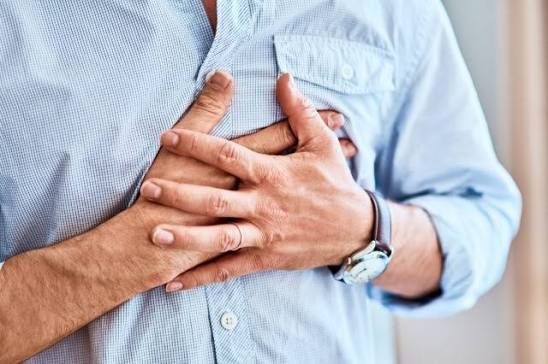
Heart attack symptoms are not always dramatic. Some people imagine a heart attack as sudden severe chest pain, but symptoms can also feel like pressure, squeezing, fullness, shortness of breath, nausea, cold sweat, jaw pain, back pain, arm discomfort, lightheadedness, or unusual fatigue. Because symptoms can vary, it is important to recognize warning signs early and act quickly.
A heart attack happens when blood flow to part of the heart muscle is blocked or severely reduced. Without fast medical care, the affected heart muscle can be damaged. This is why a suspected heart attack should always be treated as an emergency. Do not wait for symptoms to become unbearable, and do not try to manage serious symptoms at home.
Key Takeaways About Heart Attack Symptoms
- Chest discomfort is common, but a heart attack can also cause symptoms outside the chest.
- Warning signs may include pain in the arm, back, neck, jaw, or stomach.
- Shortness of breath may happen with or without chest discomfort.
- Nausea, cold sweat, lightheadedness, or unusual fatigue can also be warning signs.
- Women may report symptoms such as shortness of breath, nausea, back pain, jaw pain, or unusual fatigue.
- If a heart attack is suspected, call local emergency services immediately.
- Risk reduction includes controlling blood pressure, cholesterol, diabetes, smoking, weight, physical activity, and medication adherence.
What Is a Heart Attack?
A heart attack, also called myocardial infarction, occurs when blood flow to part of the heart muscle is blocked or reduced. The most common reason is a blockage in a coronary artery, often related to atherosclerosis, which is the buildup of fatty deposits inside blood vessels.
When the heart muscle does not receive enough oxygen-rich blood, it can become injured. The longer blood flow is reduced, the greater the risk of damage. This is why time matters. A heart attack is not something to “wait out.”
Heart attack risk is closely connected with long-term cardiovascular health. Conditions such as high blood pressure, diabetes, high cholesterol, smoking, and metabolic syndrome can increase risk over time. For a related overview, read Vitaminati’s article on metabolic syndrome and diabetes risk.
Heart Attack Symptoms: What Warning Signs Should You Know?
Heart attack symptoms may appear suddenly, or they may build gradually. They may last more than a few minutes, go away and come back, or feel different from what a person expects.
1. Chest discomfort
Chest discomfort is one of the most common signs. It may feel like pressure, squeezing, fullness, heaviness, burning, tightness, or pain in the center or left side of the chest. It may last more than a few minutes or come and go.
2. Pain or discomfort in the upper body
A heart attack can cause discomfort in one or both arms, the back, neck, jaw, shoulders, or stomach. Sometimes the discomfort is mild or feels like muscle pain, indigestion, or tension.
3. Shortness of breath
Shortness of breath can happen with chest discomfort or without it. It may occur during activity or at rest. Sudden or unexplained breathing difficulty should be taken seriously.
4. Cold sweat
Breaking out in a cold sweat without a clear reason can be a warning sign, especially if it appears with chest discomfort, nausea, shortness of breath, or weakness.
5. Nausea, vomiting, or indigestion-like symptoms
Some heart attacks may feel like stomach discomfort, nausea, vomiting, or indigestion. This can delay care because people may assume the problem is digestive.
6. Lightheadedness or faintness
Feeling faint, dizzy, or suddenly weak may occur during a heart attack, especially when combined with chest discomfort, sweating, or shortness of breath.
7. Unusual fatigue
Unusual tiredness, especially when it is sudden, intense, or different from normal, can be a warning sign. This may be more commonly reported by women, but it can happen in anyone.
Heart Attack Symptoms in Women
Women can experience chest discomfort during a heart attack, but they may also have symptoms that are less expected. These may include shortness of breath, nausea or vomiting, back pain, jaw pain, cold sweat, lightheadedness, or unusual fatigue.
Because these symptoms may be mistaken for stress, stomach problems, muscle pain, or exhaustion, care can be delayed. The safest message is simple: if symptoms are unusual, persistent, severe, or combined with shortness of breath, sweating, weakness, or chest discomfort, seek emergency help.
When Should You Call Emergency Services?
Call local emergency services immediately if you suspect a heart attack. Do not wait for symptoms to become severe. Do not drive yourself if emergency care is available.
Emergency symptoms may include:
- Chest pressure, squeezing, heaviness, or pain lasting more than a few minutes.
- Chest discomfort that goes away and comes back.
- Pain or discomfort spreading to the arm, back, neck, jaw, shoulder, or stomach.
- Shortness of breath with or without chest discomfort.
- Cold sweat, nausea, vomiting, or lightheadedness.
- Sudden weakness, collapse, or fainting.
If emergency dispatchers give instructions, follow them carefully. Do not take aspirin or any medication during a suspected heart attack unless instructed by emergency services or a qualified healthcare professional, especially if there is allergy, bleeding risk, stomach ulcer history, blood thinner use, or uncertainty about the diagnosis.
What Is the Difference Between Heart Attack and Cardiac Arrest?
A heart attack is mainly a blood-flow problem. Blood supply to part of the heart muscle is blocked or reduced.
Cardiac arrest is mainly an electrical problem. The heart suddenly stops pumping effectively. A person in cardiac arrest may collapse, become unresponsive, stop breathing normally, or have no pulse. Cardiac arrest requires immediate emergency response and CPR if trained or instructed.
A heart attack can sometimes lead to cardiac arrest, but they are not the same condition. Both require urgent medical care.
Heart Attack Risk Factors
Heart attack risk usually builds over time. Some risk factors cannot be changed, such as age and family history. Others can be managed with lifestyle changes, medications, and regular follow-up.
1. High blood pressure
High blood pressure can damage arteries and make the heart work harder. It is one of the most important risk factors for heart disease and heart attack. For more background, read Vitaminati’s article on hypertension as a silent condition.
2. High cholesterol
High LDL cholesterol can contribute to plaque buildup inside arteries. Cholesterol management may include lifestyle changes and medication when prescribed.
3. Diabetes
Diabetes increases cardiovascular risk because high blood glucose over time can affect blood vessels and nerves. People with diabetes often need a broader plan that includes glucose, blood pressure, cholesterol, kidney health, and medication adherence.
4. Smoking
Smoking damages blood vessels, increases clotting risk, and raises the risk of heart attack and stroke. Stopping smoking is one of the most important steps for heart health.
5. Excess weight and metabolic syndrome
Excess weight, especially around the abdomen, often overlaps with high blood pressure, high triglycerides, low HDL cholesterol, insulin resistance, and type 2 diabetes.
6. Physical inactivity
Low physical activity increases the risk of high blood pressure, diabetes, unhealthy weight gain, and cardiovascular disease. Activity should be adapted to the person’s health status.
7. Family history and age
Risk increases with age and may be higher if close relatives had early heart disease. People with family history should be more proactive with screening and prevention.
Heart Attack, High Blood Pressure, and Diabetes
High blood pressure and diabetes are two major risk factors for heart attack. When they occur together, cardiovascular risk can increase further. This is why prevention should not focus on one number only.
A person with diabetes may need to monitor HbA1c, blood pressure, cholesterol, kidney function, and medication adherence. A person with hypertension may need regular readings, lifestyle support, and medication review. For related reading, Vitaminati’s guide on hypertension causes and risk management explains how blood pressure fits into cardiovascular prevention.
Medication Adherence After Heart Risk Is Identified
Many people are prescribed medications to reduce cardiovascular risk. These may include blood pressure medications, cholesterol-lowering medications, diabetes medications, antiplatelet medications, or other treatments depending on the person’s diagnosis and history.
A pharmacist’s role is important here. Patients should understand:
- Why the medication was prescribed.
- How and when to take it.
- What to do if a dose is missed.
- Which side effects need medical advice.
- Which over-the-counter products or supplements may interact.
- Why stopping medication suddenly may be risky.
Never stop heart, blood pressure, cholesterol, or diabetes medication without professional guidance, even if numbers improve or symptoms are absent.
Supplements and Heart Attack Prevention: What to Be Careful With
Many people search for supplements to “protect the heart.” Some nutrients and botanicals are studied for cardiovascular markers, but no supplement should be presented as a way to prevent or treat a heart attack.
Supplement concerns include:
- Interaction with blood thinners or antiplatelet medicines: some supplements may increase bleeding risk.
- Effect on blood pressure: some products may raise or lower blood pressure.
- Effect on blood sugar: some supplements may change glucose levels in people with diabetes.
- Product quality: supplement strength and purity may vary.
- Delayed emergency care: trying supplements during warning symptoms can be dangerous.
For example, hibiscus is often discussed for heart and blood pressure support, but it should not replace prescribed treatment. Vitaminati’s article on hibiscus and heart health support explains this topic more carefully.
Magnesium is also commonly discussed in cardiovascular health, but it can interact with medications and is not automatically suitable for everyone. Vitaminati’s guide on magnesium with other supplements explains why combinations should be reviewed.
Cinnamon is sometimes used by people concerned about blood sugar, but it should not replace diabetes medication or heart-risk management. For more context, read Vitaminati’s article on cinnamon benefits for blood sugar and heart health.
How to Reduce Heart Attack Risk
Heart attack prevention is not about one habit or one supplement. It is about reducing the overall risk burden over time.
Helpful steps include:
- Do not smoke, and seek support to stop if needed.
- Monitor and manage blood pressure.
- Monitor cholesterol and follow treatment if prescribed.
- Manage blood sugar if you have diabetes or prediabetes.
- Maintain a healthy weight when possible.
- Stay physically active according to your health status.
- Choose a heart-supportive eating pattern.
- Sleep well and discuss possible sleep apnea if symptoms suggest it.
- Take prescribed medications correctly.
- Attend regular checkups, especially if you have risk factors.
Regular checkups can help detect risk factors before symptoms appear. Vitaminati’s article on preventive care and chronic disease checkups explains why early monitoring matters.
Common Mistakes People Make With Heart Attack Symptoms
1. Waiting to see if symptoms pass
Delaying care can increase the risk of heart damage. If a heart attack is suspected, seek emergency help.
2. Assuming it is indigestion
Nausea, stomach discomfort, or burning may be mistaken for digestive symptoms. If symptoms are unusual or occur with sweating, shortness of breath, weakness, or chest pressure, do not ignore them.
3. Thinking women always have obvious chest pain
Women may have chest discomfort, but symptoms such as shortness of breath, nausea, jaw pain, back pain, or unusual fatigue can also occur.
4. Driving yourself to the hospital
If emergency medical services are available, calling them is safer than driving yourself during possible heart attack symptoms.
5. Using supplements or home remedies during symptoms
Supplements, herbs, antacids, or home remedies should never delay emergency evaluation when heart attack symptoms are possible.
When Should You Speak to a Healthcare Professional?
Speak with a healthcare professional if you have risk factors such as high blood pressure, diabetes, high cholesterol, smoking, kidney disease, family history of early heart disease, obesity, or repeated chest discomfort with activity.
Seek emergency care immediately if symptoms suggest a possible heart attack, especially chest pressure, shortness of breath, pain spreading to the arm, jaw, neck, back, or stomach, cold sweat, faintness, nausea, or sudden unusual fatigue.
FAQ About Heart Attack Symptoms
1. What are the first signs of a heart attack?
Early signs may include chest pressure, discomfort in the arm, jaw, neck, back, or stomach, shortness of breath, cold sweat, nausea, lightheadedness, or unusual fatigue.
2. Can a heart attack feel like indigestion?
Yes. Some people feel nausea, stomach discomfort, burning, or indigestion-like symptoms. If symptoms are unusual or occur with sweating, shortness of breath, or chest pressure, seek urgent help.
3. Can women have different heart attack symptoms?
Women may have chest discomfort, but they may also report shortness of breath, nausea, vomiting, back pain, jaw pain, cold sweat, or unusual fatigue.
4. Can a heart attack happen without chest pain?
Yes. Some heart attacks cause shortness of breath, upper-body discomfort, nausea, sweating, lightheadedness, or fatigue without strong chest pain.
5. What should I do during a suspected heart attack?
Call local emergency services immediately. Rest, avoid driving yourself if emergency services are available, and follow dispatcher instructions.
6. Does high blood pressure increase heart attack risk?
Yes. High blood pressure can damage arteries and increase the risk of heart attack, stroke, heart failure, kidney disease, and other complications.
7. Can supplements prevent a heart attack?
No supplement can replace emergency care, prescribed medication, blood pressure control, cholesterol management, diabetes care, or smoking cessation.
8. How can I lower my heart attack risk?
Control blood pressure, cholesterol, and blood sugar, avoid smoking, stay active, follow a heart-supportive diet, maintain a healthy weight, sleep well, and take prescribed medications correctly.
References
- American Heart Association: Warning Signs of a Heart Attack
- American Heart Association: Understand Your Risks to Prevent a Heart Attack
- CDC: About Heart Attack Symptoms, Risk, and Recovery
Medical disclaimer: This article is for general educational purposes only and does not replace emergency care, medical diagnosis, or treatment. If you think you or someone near you may be having a heart attack, call local emergency services immediately. Do not stop or change heart, blood pressure, cholesterol, or diabetes medication without professional guidance.