Hormonal Acne in Adult Women: Why It Clusters on the Jawline and What Helps
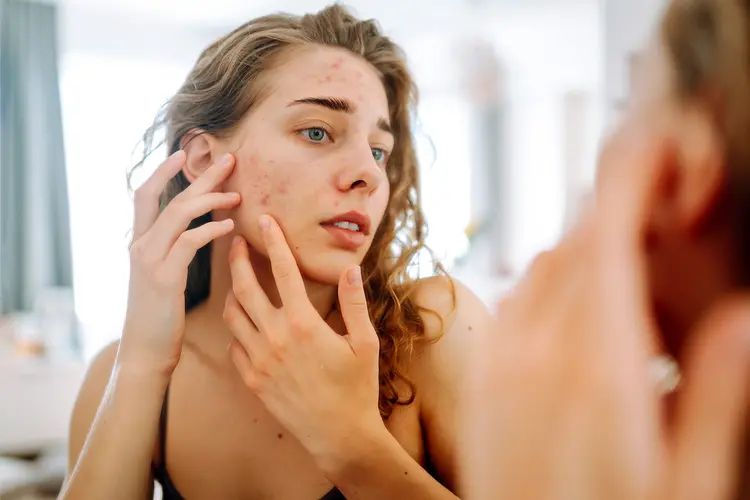
Do you notice breakouts appearing on your chin or jawline just before your period? Or perhaps you had relatively clear skin as a teenager, only to start dealing with acne in your twenties, thirties, or forties?
Hormonal acne in women is a common term used to describe acne influenced by hormonal activity, particularly the effects of androgens on the skin's oil glands. It often follows a recurring pattern, but having hormonal acne does not automatically mean your hormone levels are abnormal or that you have polycystic ovary syndrome (PCOS).
Acne also has little to do with poor personal hygiene. It develops through a combination of oil production, blocked hair follicles, inflammation, and other biological factors.
Understanding how hormones affect the skin, why breakouts sometimes worsen before menstruation, and which treatments have reliable scientific evidence can make managing adult acne more straightforward.
Key Takeaways
- Hormonal acne can begin or continue well into adulthood, even if your skin was clear during adolescence.
- Recurring acne around the chin, jawline, or menstrual cycle may suggest hormonal influences, but the pattern alone is not diagnostic.
- Normal hormone levels do not exclude hormonally influenced acne.
- Acne alone is not enough to diagnose PCOS.
- Benzoyl peroxide, topical retinoids, and selected prescription hormonal therapies are supported by clinical evidence.
- Diet may influence acne severity in some people, but supplements are not established primary treatments.
- Pregnancy and pregnancy planning require special consideration when choosing acne medications.
What Is Hormonal Acne?
Hormonal acne is not an entirely separate disease from ordinary acne. Rather, the term describes acne in which hormones or sensitivity to hormonal signals appear to play an important role.
To understand how it develops, it helps to look at what happens inside the skin.
Your skin contains sebaceous glands connected to hair follicles. These glands produce sebum, a natural oily substance that helps protect and lubricate the skin.
Acne can develop when sebum and skin cells accumulate inside a follicle, contributing to blocked pores.
A bacterium that normally lives on the skin, called Cutibacterium acnes, can also contribute to inflammation within the follicle.
Depending on the process involved, acne may appear as:
- Whiteheads: Closed, clogged pores.
- Blackheads: Open, clogged pores that appear dark because of oxidation, not dirt.
- Papules: Small, inflamed bumps.
- Pustules: Inflamed bumps containing visible pus.
- Nodules: Deeper, painful inflammatory lesions that carry a higher risk of scarring.
How Do Hormones Affect Acne?
Androgens are hormones that include testosterone. Both women and men produce them, although levels and physiological patterns differ.
Androgens influence sebaceous gland activity and can increase sebum production. When this occurs alongside follicular blockage and inflammation, acne may develop or worsen.
However, women can experience hormonally influenced acne even when blood androgen levels fall within the normal range.
This is partly because the skin's response to hormonal signals varies between individuals. Genetics, local androgen metabolism, and inflammatory pathways also influence acne development.
In simple terms: Your skin may be sensitive to normal hormonal activity without your blood tests showing a hormonal abnormality.
How Can You Tell If Your Acne Is Hormonal?
Certain patterns may suggest that hormones are contributing to your breakouts.
These include:
- Breakouts that repeatedly appear before menstruation.
- Acne that persists beyond adolescence or begins in adulthood.
- Frequent blemishes along the chin, jawline, or lower face.
- Recurring deep or tender inflammatory lesions.
- Acne that remains persistent despite an appropriate skincare routine.
However, none of these signs independently proves that acne is caused by abnormal hormone levels.
Adult acne can also affect the cheeks, forehead, chest, and back.
A dermatologist usually evaluates the appearance and distribution of lesions, your medical history, potential triggers, and previous treatments before determining the most appropriate approach.
Why Does Hormonal Acne Appear on the Chin and Jawline?
Breakouts along the chin and jawline are commonly associated with adult female acne.
Some women with persistent lower-face acne respond well to treatments that influence androgen activity, such as spironolactone or certain combined oral contraceptives.
However, acne location is not a reliable way to measure hormone levels or diagnose a hormonal disorder.
Not every pimple on the chin is hormonal, and there is no established facial map that can accurately identify an internal medical condition based on where acne appears.
Other skin conditions, including perioral dermatitis and certain types of folliculitis, may also cause acne-like bumps around the lower face.
If breakouts persist or look unusual, an accurate dermatological diagnosis matters more than the specific location.
Why Does Hormonal Acne Flare Before Your Period?
Many women notice that their skin becomes more prone to breakouts in the days leading up to menstruation.
Estrogen and progesterone fluctuate naturally throughout the menstrual cycle. These changes, together with the skin's response to hormonal signaling, may influence sebum production and inflammatory activity.
For some women, acne becomes more noticeable during the premenstrual days and improves after menstruation begins.
However, the exact mechanisms are complex, and the pattern cannot be explained by one hormone rising or falling in the same way for everyone.
Individual sensitivity to these changes varies, just as women experience different degrees of premenstrual symptoms and hormone-related changes.
Do Premenstrual Breakouts Mean Your Hormones Are Imbalanced?
Not necessarily.
Premenstrual acne can occur in women with regular menstrual cycles and normal hormone levels.
However, acne accompanied by markedly irregular periods, excess facial hair, or scalp hair thinning may justify evaluation for an underlying hormonal condition.
What Is the Connection Between Hormonal Acne and PCOS?
Polycystic ovary syndrome is a hormonal and metabolic condition that can contribute to persistent acne in some women.
PCOS may involve increased androgen activity, irregular ovulation, and, in many cases, insulin resistance.
Higher insulin levels can influence ovarian androgen production, which may contribute to acne, excess hair growth, and menstrual irregularities.
However, PCOS is not the only possible explanation for adult acne.
Two points are particularly important:
- Not every woman with acne has PCOS.
- Not every woman with PCOS experiences acne.
The 2023 International Evidence-based Guideline for PCOS states that acne alone, without other signs such as hirsutism, is a relatively weak predictor of biochemical hyperandrogenism.
This means that persistent acne should not automatically lead to a PCOS diagnosis.
When Are Hormone Tests Appropriate for Acne?
A healthcare professional may consider further hormonal evaluation when acne occurs alongside:
- Very irregular or absent menstrual periods.
- Excess coarse hair on the face, chin, chest, or abdomen.
- Scalp hair thinning suggestive of androgen-related hair loss.
- Sudden-onset severe acne.
- Rapid development of unusual androgen-related changes, such as deepening of the voice.
Depending on the clinical findings, assessment may include androgen measurements or tests for other endocrine conditions.
However, a comprehensive hormone panel is not necessary for every woman with acne.
Results also need to be interpreted carefully, particularly when someone is taking hormonal contraception, which can affect androgen measurements.
Can Birth Control Pills Cause or Improve Hormonal Acne?
Some combined oral contraceptives are effective treatments for acne in appropriately selected women.
These medications contain estrogen and a progestin and can reduce androgen-related stimulation of sebaceous glands.
However, the effects of hormonal contraception differ by formulation.
Some progestin-only contraceptive methods may be associated with worsening acne in certain individuals.
Why Can Acne Appear After Stopping Birth Control?
Women sometimes notice acne returning after discontinuing a combined oral contraceptive that had previously kept their skin clear.
This may happen because the medication's suppressive effects on androgen-related pathways are no longer present.
Although the term "post-pill acne" is commonly used online, it is not a distinct medical diagnosis.
Contraceptive decisions should be based on reproductive goals, medical history, and safety, rather than acne symptoms alone. Understanding the broader relationship between birth control pills and nutritional status may also be relevant when reviewing long-term contraceptive use.
Can Hormonal Acne Develop During Perimenopause?
Yes. Adult acne can develop or return during the years leading up to menopause.
During perimenopause, estrogen levels fluctuate, and women may experience changes in their skin alongside changes in menstrual cycles, sleep, and other aspects of health.
However, not every breakout during midlife is caused by declining estrogen.
Other factors, including skincare products, medications, inflammation, and individual sebaceous gland sensitivity, may contribute.
Persistent new-onset acne deserves appropriate assessment, especially when it is accompanied by other unusual symptoms.
Can Stress Make Hormonal Acne Worse?
Stress may contribute to acne flares in some people.
Physiological stress responses involve nervous system, hormonal, and inflammatory pathways that can influence the skin.
However, it would be inaccurate to claim that stress always causes a specific hormonal imbalance that directly produces acne.
The connection may also be indirect.
During stressful periods, people may sleep less, change their eating habits, touch their faces more frequently, or stop following their usual skincare routines.
Managing stress and maintaining adequate sleep can support overall wellbeing, but neither should be considered a replacement for effective acne treatment.
What Are the Best Treatments for Hormonal Acne in Women?
The most appropriate treatment depends on the type and severity of acne, the risk of scarring, previous treatment response, and individual medical circumstances.
The American Academy of Dermatology's 2024 clinical guideline supports several topical and systemic treatments.
1. Benzoyl Peroxide
Benzoyl peroxide is an evidence-based topical acne treatment that reduces acne-associated bacteria and inflammatory lesions.
It is available in different concentrations, but stronger products are not necessarily better for everyone.
Higher concentrations may cause more irritation, dryness, or peeling.
Starting with a lower-strength formulation or less frequent application may help improve tolerability, according to product directions or professional advice.
2. Topical Retinoids
Topical retinoids, including adapalene and tretinoin, help prevent blocked pores and the development of new acne lesions.
They are commonly used in treatment plans for both inflammatory and noninflammatory acne.
Some people experience dryness, irritation, or peeling when treatment begins. Gradual introduction and appropriate moisturizing may improve tolerability.
Pregnancy precaution: Retinoids should be avoided during pregnancy, and women planning pregnancy should discuss discontinuation with their healthcare professional.
3. Azelaic Acid
Azelaic acid is another topical option supported by acne treatment guidelines.
It may help reduce inflammatory lesions and improve post-inflammatory hyperpigmentation, the dark marks that can remain after acne heals.
It may also be considered by clinicians for certain patients who cannot use other treatments, including during pregnancy.
4. Combined Oral Contraceptives
Some combined oral contraceptive pills are approved or recommended for acne treatment in appropriately selected women.
They can be particularly useful when acne follows a recurring menstrual pattern.
However, they are not suitable for everyone.
Medical contraindications may include a history of blood clots, migraine with aura, and certain cardiovascular risk factors.
A healthcare professional should review contraceptive safety before prescribing them for acne.
5. Spironolactone
Spironolactone is a prescription medication that can reduce androgen effects on sebaceous glands.
Dermatologists may recommend it for persistent acne in selected adult women.
Possible adverse effects include dizziness, increased urination, and menstrual irregularities.
Depending on medical history and risk factors, clinicians may also consider kidney function, potassium levels, and medication interactions.
Spironolactone must be avoided during pregnancy because of potential fetal harm. Pregnancy prevention should be discussed with the prescribing clinician when relevant.
6. Oral Antibiotics and Isotretinoin
Moderate to severe inflammatory acne may require a limited course of oral antibiotics alongside appropriate topical treatment.
Antibiotic treatment should not be continued unnecessarily, and benzoyl peroxide is commonly combined with antibiotic therapy to help limit bacterial resistance.
For severe, scarring, or treatment-resistant acne, a dermatologist may recommend oral isotretinoin.
Isotretinoin requires careful medical supervision and strict pregnancy precautions because it can cause severe birth defects.
Can Diet Help Clear Hormonal Acne?
Diet may influence acne in some people, but no single food causes every breakout, and no specific diet can guarantee clear skin.
High-Glycemic Foods and Acne
Some clinical studies suggest that high-glycemic dietary patterns may contribute to acne development or severity.
Foods and drinks that produce a rapid rise in blood glucose may influence insulin and insulin-like growth factor signaling, which are involved in pathways relevant to acne.
Reducing frequent consumption of sugary drinks, refined snacks, and heavily processed carbohydrates may help some individuals.
Choosing vegetables, legumes, whole grains, and other fiber-rich foods also improves overall dietary quality.
However, there is no need to eliminate all carbohydrates, fruit, or bread, and dietary changes are not a substitute for treatment when acne is severe.
Does Dairy Cause Acne?
Some observational studies have found associations between cow's milk consumption and acne.
However, findings vary, and these studies cannot establish that milk directly causes acne in every person.
The evidence also does not justify routinely eliminating all dairy products from the diet.
If you consistently notice that a particular food seems to worsen your skin, consider discussing your observations with a dermatologist or registered dietitian rather than starting an unnecessarily restrictive diet.
Do Zinc, Omega-3, or Other Supplements Help Hormonal Acne?
Acne supplements are frequently marketed with claims about balancing hormones, clearing skin from within, or reducing inflammation.
These promises are not always supported by high-quality clinical evidence.
Zinc
Zinc is an essential mineral involved in immune function, normal tissue maintenance, and wound healing.
Some research has investigated zinc supplementation as an additional approach to acne management.
However, the evidence is not strong enough to recommend routine high-dose zinc supplementation as a primary acne treatment.
Excessive zinc intake can cause gastrointestinal problems and, over time, interfere with copper absorption.
The NIH Office of Dietary Supplements lists an adult tolerable upper intake level of 40 mg per day from all sources, unless higher intakes are being used under medical supervision.
Omega-3 Fatty Acids
Omega-3 fatty acids participate in physiological pathways related to inflammation.
Small studies have explored their potential relationship with acne, but evidence remains insufficient to establish omega-3 supplements as a reliable treatment for hormonal acne.
Magnesium and Other Skin Supplements
Magnesium and various vitamins are important for normal body functions, but this does not mean that taking additional amounts clears acne when nutritional intake is already adequate.
Supplements may be useful when there is a confirmed deficiency or a specific medical indication.
For most people, obtaining essential nutrients from a balanced diet should remain the foundation of nutritional care.
If you decide to take a supplement, understanding the ingredient amounts and safety information on supplement labels is important, particularly when combining several products.
What Is a Good Daily Skincare Routine for Hormonal Acne?
An effective routine does not need to involve ten different products.
Gentle, consistent skincare can help maintain the skin barrier while acne treatments do their work.
Morning Routine
- Cleanse gently: Use a mild, non-abrasive cleanser that does not leave the skin excessively dry.
- Apply treatment if appropriate: Follow the instructions for any morning acne medication or treatment.
- Moisturize: Choose a lightweight product labeled non-comedogenic or unlikely to clog pores.
- Use sunscreen: Apply broad-spectrum SPF 30 or higher to exposed skin when outdoors.
Evening Routine
- Remove makeup and cleanse the skin gently.
- Apply prescribed topical treatment according to its instructions.
- Use moisturizer to help manage dryness and irritation.
Avoid introducing several strong active ingredients at once unless your clinician specifically recommends the combination.
Excessive irritation can make acne treatment more difficult to tolerate and sustain.
What Skincare Mistakes Can Make Acne Worse?
- Over-washing: Cleansing repeatedly throughout the day can irritate the skin without addressing the causes of acne.
- Harsh scrubbing: Rough exfoliation, brushes, and abrasive tools can worsen inflammation.
- Changing products too often: Switching treatments every few days makes it difficult to assess effectiveness.
- Picking or squeezing pimples: This can prolong inflammation and increase the risk of scarring and dark marks.
- Using pore-clogging products: Certain cosmetics and hair products may contribute to breakouts in susceptible people.
- Skipping sun protection: Sun exposure may darken post-acne marks and make some treatment-related skin sensitivity more problematic.
How Long Does Hormonal Acne Treatment Take to Work?
Acne treatment requires consistency and realistic expectations.
According to the American Academy of Dermatology, many treatments need at least 6 to 8 weeks before noticeable improvement occurs.
More substantial clearing may take three to four months, depending on acne severity and the treatment used.
Hormonal prescription therapies may also require several months before their full benefit becomes apparent.
If a product causes substantial irritation, worsening inflammation, or other concerning symptoms, seek professional advice rather than continuing without reassessment.
Deep, painful, or scarring acne deserves earlier medical attention instead of waiting several months.
Is Hormonal Acne Treatment Safe During Pregnancy?
Pregnancy and pregnancy planning require particular care when choosing acne medications.
Some commonly prescribed treatments can harm a developing fetus or are avoided because adequate pregnancy safety data are unavailable.
Oral isotretinoin and spironolactone must not be used during pregnancy.
Topical retinoids, including tretinoin and adapalene, are also generally avoided during pregnancy.
Azelaic acid is considered a potentially suitable option during pregnancy, while limited benzoyl peroxide use may be acceptable following discussion with a healthcare professional.
Importantly, a skincare ingredient does not become automatically safe during pregnancy simply because it is available without a prescription.
If you are planning to conceive, review both prescription acne medications and over-the-counter skincare products with your dermatologist or obstetric clinician.
When Should You See a Dermatologist for Hormonal Acne?
Consider professional evaluation if:
- Your acne causes painful, deep lesions or permanent scars.
- Breakouts are affecting your emotional wellbeing or daily life.
- There is little improvement after 6 to 8 weeks of appropriate, consistent treatment.
- Acne occurs alongside markedly irregular periods, excess facial hair, or scalp hair thinning.
- Severe acne appears suddenly with unusual hormonal symptoms.
- You are pregnant or planning pregnancy and need a suitable treatment plan.
A dermatologist can confirm whether the lesions are acne, distinguish them from similar skin conditions, and select treatment according to severity and medical history.
The Bottom Line: Can Hormonal Acne Be Managed?
Hormonal influences are an important part of adult acne in many women, but not every jawline breakout indicates a hormonal disorder.
Evidence-based topical treatments and selected prescription hormonal medications can help control acne, while gentle skincare reduces unnecessary irritation.
Diet may have a supporting role for some individuals, but nutritional supplements are not established replacements for medical treatment.
If acne is persistent, painful, scarring, or accompanied by significant menstrual or androgen-related symptoms, professional evaluation can help identify the most appropriate treatment.
The goal is not instant, perfectly clear skin. It is consistent improvement, fewer new lesions, and a lower risk of long-term marks and scars.
Frequently Asked Questions About Hormonal Acne
How do I know if my acne is hormonal?
Acne that repeatedly flares before your period or affects the chin and jawline may have a hormonal component. However, the location of breakouts alone cannot confirm the cause.
Does chin acne mean I have PCOS?
No. Acne alone is a relatively weak indicator of PCOS. Irregular periods, excess facial or body hair, or scalp hair thinning alongside acne may warrant medical evaluation.
Why does hormonal acne get worse before my period?
Normal hormonal fluctuations throughout the menstrual cycle may affect oil gland activity and inflammation. Some women experience more breakouts before menstruation without having an underlying hormonal disorder.
What is the best treatment for hormonal acne?
Treatment depends on acne severity and medical history. Evidence-based options include benzoyl peroxide and topical retinoids. Some women may benefit from prescription hormonal treatments such as combined oral contraceptives or spironolactone.
Can diet alone clear hormonal acne?
Lower-glycemic eating patterns may help some people, but diet alone is often insufficient for persistent or severe acne. Evidence linking dairy consumption to acne remains mixed.
Can I use retinol or retinoids during pregnancy?
Retinoids, including retinol, tretinoin, and adapalene, should be avoided during pregnancy. People planning pregnancy should discuss their acne medications and skincare ingredients with a healthcare professional.
How long does hormonal acne treatment take to work?
Many acne treatments require at least 6 to 8 weeks before improvement becomes noticeable. More substantial improvement may take several months, depending on the treatment and severity.
Do zinc and omega-3 supplements help hormonal acne?
Zinc and omega-3 supplements have been studied, but evidence is insufficient to recommend them as replacements for established acne treatments. High-dose zinc can cause adverse effects.
Scientific References
- American Academy of Dermatology. Acne Clinical Guideline, 2024.
- Reynolds RV, et al. Guidelines of Care for the Management of Acne Vulgaris. Journal of the American Academy of Dermatology, 2024.
- American Academy of Dermatology. Adult Acne: Why It Happens and What You Can Do.
- International Evidence-based Guideline for the Assessment and Management of Polycystic Ovary Syndrome, 2023.
- American Academy of Dermatology. Hormonal Therapy for Stubborn Acne.
- American Academy of Dermatology. Can the Right Diet Get Rid of Acne?
- American Academy of Dermatology. Is Any Acne Treatment Safe to Use During Pregnancy?
- NIH Office of Dietary Supplements. Zinc: Fact Sheet for Health Professionals.
Medical disclaimer: This article is intended for general educational purposes and does not replace diagnosis or treatment from a qualified healthcare professional. Consult your dermatologist or healthcare provider before starting prescription acne treatments or supplements, especially during pregnancy, breastfeeding, or pregnancy planning.