How Potassium Supports Kidney Health
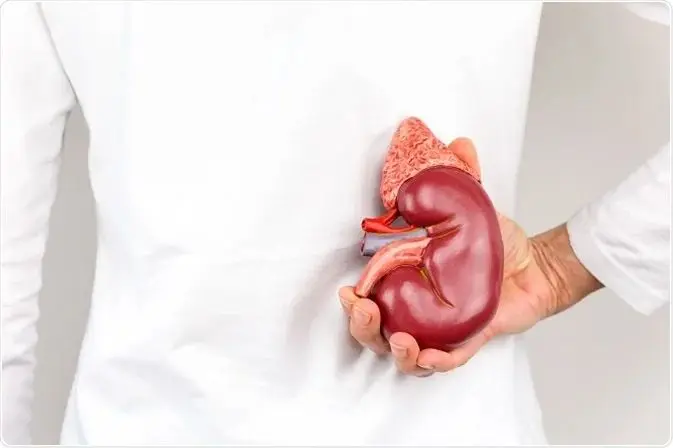
Kidney stones are a common urinary condition that occurs when substances in urine, such as calcium, oxalate, or uric acid, concentrate and form hard deposits inside the kidneys or urinary tract. Some stones are small enough to pass with urine, while others may become stuck and cause severe pain or complications that require medical care.
Recently, there has been growing interest in the relationship between potassium and kidney stones, especially when discussing potassium citrate, urine acidity, and uric acid stones. However, potassium is not a universal treatment for all kidney stones, and potassium supplements or urinary alkalinizers should only be used based on stone type, urine testing, and kidney function.
What Are Kidney Stones?
Kidney stones are solid deposits that form when urine becomes concentrated enough for minerals and salts to crystallize and stick together. Stones may be as small as grains of sand or large enough to block urine flow.
Stones often form when there is not enough fluid in the urine to dilute stone-forming substances. This is why drinking enough water is one of the most important prevention steps, especially for people with a history of kidney stones.
Types of Kidney Stones
Kidney stones are not all the same. Knowing the stone type is important because prevention and treatment depend heavily on the stone’s composition.
1. Calcium Oxalate Stones
These are among the most common types of kidney stones. They form when calcium binds with oxalate in urine. Risk may be influenced by low fluid intake, high sodium intake, certain high-oxalate foods, or some absorption disorders.
2. Calcium Phosphate Stones
These may be linked with higher urine pH or certain medical conditions that affect mineral and acid-base balance in the body.
3. Uric Acid Stones
Uric acid stones tend to form when urine is too acidic. They may be more common in people with gout, high animal-protein intake, or certain metabolic risk factors.
4. Struvite Stones
These may be associated with some urinary tract infections. They can grow quickly and may require specific medical management.
5. Cystine Stones
These are less common and are linked to an inherited condition that affects cystine excretion in urine.
Kidney Stone Symptoms
Small stones may not cause symptoms if they stay in the kidney and do not block urine flow. Symptoms usually appear when a stone moves into the ureter or obstructs the urinary tract.
- Severe pain in the side or lower back.
- Pain that moves to the lower abdomen or groin.
- Burning or pain during urination.
- Blood in the urine or a change in urine color.
- Frequent or urgent urination.
- Nausea or vomiting.
- Fever or chills if infection is present.
Causes and Risk Factors of Kidney Stones
Kidney stones usually result from a combination of factors rather than one single cause. Risk factors may include:
- Low fluid intake: Concentrated urine increases the chance of mineral crystallization.
- High sodium intake: Excess sodium may increase calcium excretion in urine, raising the risk of some stones.
- Excess animal protein: High intake may increase uric acid and affect urine acidity.
- Obesity or excess body weight: Higher body weight may be linked with increased stone risk.
- Personal or family history: People who have had stones before are more likely to develop them again.
- Some medical conditions: Gout, digestive disorders, and metabolic conditions may increase stone risk.
- Some medications or supplements: Certain products may increase stone risk depending on type and dose.
The Role of Potassium in Kidney Health
Potassium is an essential mineral and electrolyte that supports fluid balance, muscle function, nerve signaling, and heart rhythm. The kidneys regulate potassium levels in the blood by removing excess potassium through urine.
To understand this mineral more broadly, visit Vitaminati’s potassium hub or read the article on how potassium supports kidney health.
It is important to distinguish potassium from food from potassium supplements. Potassium-rich foods can be part of a healthy diet for many people, while potassium supplements may dangerously raise blood potassium in people with kidney disease or those taking certain medications.
How Might Potassium Help Reduce Kidney Stone Risk?
A diet rich in fruits and vegetables may support healthier urine chemistry and mineral balance. Such diets often provide more potassium and less sodium than diets high in processed foods. Reducing sodium and improving overall diet quality may help lower some kidney stone risk factors.
However, it is too simple to say that “potassium prevents kidney stones.” More accurately, certain potassium salts, especially potassium citrate, may be medically useful in selected cases after stone type, urine acidity, and urinary citrate levels are assessed.
Potassium Citrate and Kidney Stones
Potassium citrate is an alkaline compound that can help make urine less acidic and may increase urinary citrate. Citrate is important because it can reduce crystallization of some stone-forming minerals.
Potassium citrate may be used medically in selected kidney stone cases, especially when urinary citrate is low or when uric acid stones are linked with acidic urine. However, it should be used under medical supervision because raising urine pH may not be appropriate for every stone type.
For more details, read Vitaminati’s article on potassium citrates and how they work. Medically, potassium citrate is better described as a urinary alkalinizing agent rather than a traditional diuretic.
Can Potassium Citrate Dissolve Kidney Stones?
This depends on the type of stone. Some uric acid stones may sometimes dissolve when urine becomes less acidic under medical supervision. Calcium oxalate stones and many other stone types usually do not dissolve this way and may require different management depending on size, location, and symptoms.
For this reason, potassium citrate should not be used to “dissolve stones” without knowing the stone type. If stones are recurrent, large, or painful, medical evaluation and urine or stone analysis are more important than trying supplements randomly.
Potassium, Uric Acid, and Gout
Gout and uric acid kidney stones are often confused, but they are not the same condition. Gout occurs when uric acid crystals deposit in joints, while uric acid stones form in the urinary tract. Some people may have both, but management differs.
Potassium citrate may help alkalinize urine in the context of uric acid stones, but it is not a direct treatment for gout and does not replace uric-acid-lowering medications or a doctor’s treatment plan.
When Might Urinary Alkalinizers Be Used?
Some products based on potassium citrate are designed to raise urine pH and reduce urine acidity. This may be useful in selected cases, such as certain uric acid stones or low urinary citrate.
If the goal is to understand this type of product, you can read Vitaminati’s article on PERAL as a urinary alkalizer for urine acidity support. Correct use should depend on diagnosis, not symptoms alone.
Who Should Be Careful With Potassium Supplements?
Potassium supplements can be risky for some people, even though potassium is a natural and essential mineral. Ask a doctor or pharmacist before using potassium supplements if you have:
- Chronic kidney disease or reduced kidney function.
- A previous history of high blood potassium.
- Heart disease or abnormal heart rhythm.
- Use of ACE inhibitors or ARB blood pressure medications.
- Use of potassium-sparing diuretics.
- Use of salt substitutes that contain potassium.
- Pregnancy or breastfeeding, unless medically advised.
Natural Sources of Potassium
Most healthy people can get potassium from food. Good sources include:
- Bananas.
- Potatoes and sweet potatoes.
- Avocado.
- Spinach and leafy greens.
- Lentils, beans, and chickpeas.
- Oranges and citrus fruits.
- Tomatoes and tomato products.
- Yogurt and milk.
However, people with kidney disease or high potassium may need to limit some of these foods. There is no single potassium rule that fits everyone.
Tips to Help Prevent Kidney Stones
Prevention depends on stone type, but several general strategies may help many people lower recurrence risk.
- Drink enough water: The goal is to dilute urine, while considering heart and kidney health.
- Reduce salt: Excess sodium may increase calcium in urine.
- Do not eliminate calcium randomly: Appropriate dietary calcium may help reduce oxalate absorption from the gut.
- Avoid excessive animal protein: Especially in people with uric acid stones.
- Maintain a healthy weight: Excess weight may be linked with a higher risk of stones.
- Analyze recurrent stones: Knowing the stone type helps guide prevention.
For more on nutrition and mineral balance, read Vitaminati’s article on the role of potassium in reducing kidney stone formation.
Common Mistakes When Managing Kidney Stones
- Using potassium supplements without checking kidney function.
- Using potassium citrate without knowing the stone type.
- Completely cutting dietary calcium without medical advice.
- Drinking excessive water despite heart or kidney problems without guidance.
- Assuming all painful urination is caused by acidity, when it may be infection or stones.
- Ignoring urine or stone analysis when stones recur.
When Should You See a Doctor?
Seek medical care if symptoms are strong, recurrent, or associated with warning signs such as:
- Severe pain that does not improve.
- Fever or chills.
- Persistent nausea or vomiting.
- Visible blood in the urine.
- Difficulty urinating or inability to urinate.
- A single kidney or known kidney disease.
- Recurrent kidney stones.
FAQs
1. What are kidney stones?
Kidney stones are hard deposits made from substances in urine, such as calcium, oxalate, uric acid, cystine, or phosphate.
2. What are the main symptoms of kidney stones?
Symptoms may include severe side or back pain, pain moving to the lower abdomen, burning during urination, blood in the urine, nausea, vomiting, or frequent urination.
3. Can potassium help prevent kidney stones?
Potassium-rich foods may support healthier urine chemistry, but potassium supplements or potassium citrate should only be used based on stone type and testing.
4. What is the role of potassium citrate in kidney stones?
Potassium citrate may raise urine pH and urinary citrate, which may help in selected cases such as uric acid stones or low urinary citrate.
5. Can potassium citrate dissolve kidney stones?
Some uric acid stones may dissolve when urine becomes less acidic under medical supervision, but most other stone types do not dissolve this way.
6. Does drinking water help prevent kidney stones?
Yes. Drinking enough water helps dilute urine and reduce the chance that stone-forming substances will concentrate and crystallize.
7. Who should be careful with potassium supplements?
People with kidney disease, heart disease, high potassium, or those using certain blood pressure medications or potassium-sparing diuretics should ask a doctor first.
8. When should you see a doctor for suspected kidney stones?
Seek medical care if there is severe pain, fever, chills, persistent vomiting, visible blood in urine, difficulty urinating, or recurrent stones.
Conclusion
Kidney stones are common and painful, but they are not all the same and should not all be managed in the same way. Stone type, urine acidity, urinary citrate levels, and kidney function are key factors in choosing the right prevention or treatment plan.
Potassium and potassium citrate may play an important role in selected cases, especially uric acid stones or low urinary citrate, but they are not universal solutions for all stones. The safest approach is to stay hydrated, reduce excessive salt, improve diet quality, and seek medical evaluation when stones recur or symptoms are severe.