How to Choose the Right Retinol for Your Skin Type
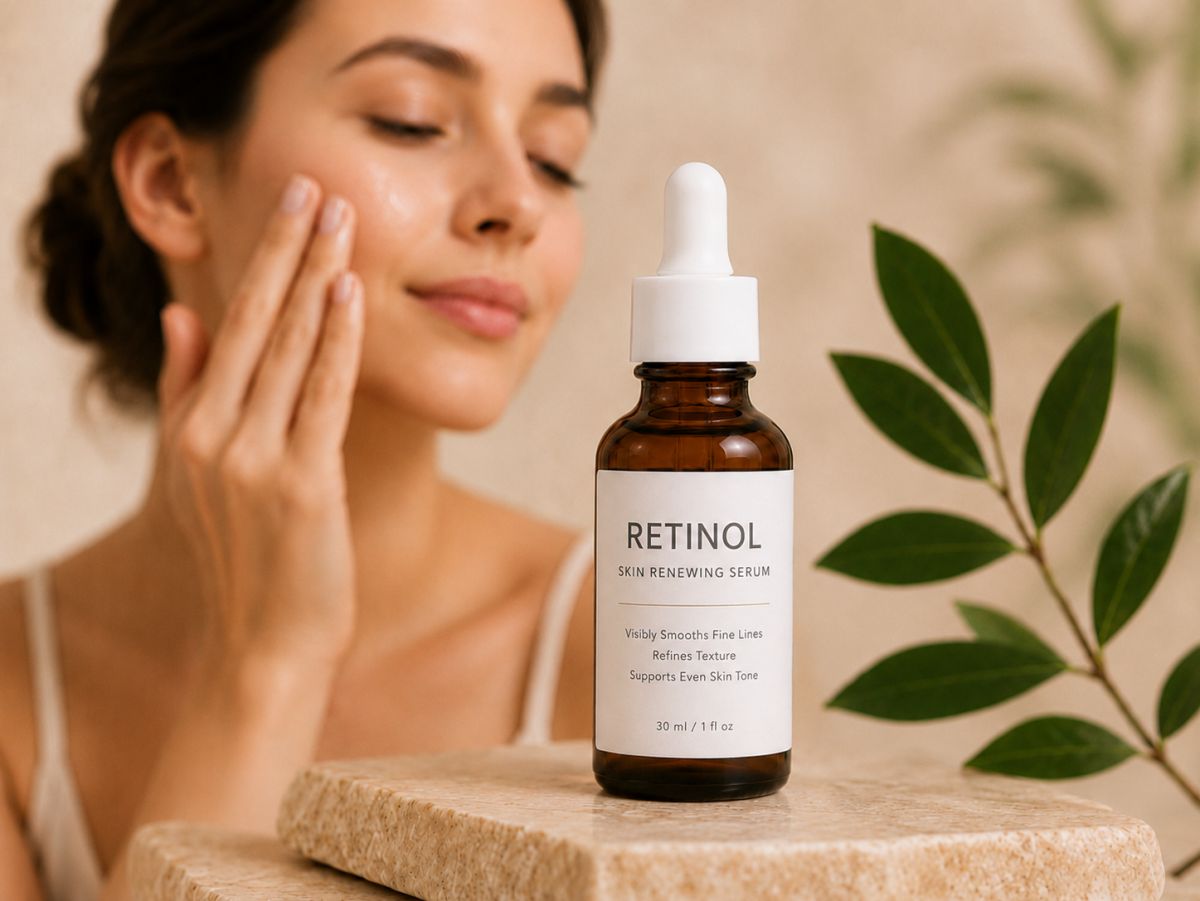
Retinol for skin is one of the most popular ingredients used to improve the appearance of acne, pigmentation, fine lines, and skin texture, but it is not one single product that works the same way for everyone. Before choosing the right retinol, it is important to determine your skin type accurately, because that directly affects the most suitable concentration and texture. Choosing retinol also depends on your skin type, the strength of the concentration, the product format, and how well your skin tolerates active ingredients.
What Is Retinol?
Retinol is one of the derivatives of vitamin A for skin and immune support, and it belongs to a wider family known as retinoids. When applied topically, it gradually converts into an active form that supports skin cell renewal and improves the look of the skin over time. That is why retinol appears in many skincare products targeting acne, post-acne marks, pigmentation, pores, and fine lines.
The American Academy of Dermatology explains that retinoid or retinol products may be a suitable option for mild acne, mild pigmentation, and fine lines, with the recommendation to start with a gentle formula and build up gradually.
What Is the Difference Between Retinol, Retinoids, and Tretinoin?
Retinoids is the general name for the whole family of vitamin A derivatives. Retinol is usually a gentler form within this family and is available in many skincare products without a prescription. Tretinoin is stronger than retinol and usually requires a prescription or medical guidance.
If you want a broader understanding of this vitamin’s role in the body and skin, you can also read about the general benefits of vitamin A for the body.
- Retinol is often suitable for beginners and for people who want to introduce an active ingredient gradually.
- Tretinoin is stronger and may be more appropriate for certain cases under medical supervision.
- Retinoid is the umbrella term for the whole family.
Is Retinol Suitable for All Skin Types?
Retinol can work for different skin types, but the way you choose it and use it will vary from one person to another. To better understand what suits your skin specifically, read about the right skincare routine for your skin before introducing any new active ingredient.
| Skin Type | Can Retinol Suit It? | Best Choice |
|---|---|---|
| Oily skin | Yes, especially for acne and pores | Light serum or gel in a low concentration |
| Acne-prone skin | Yes, but gradually | Light formula with a non-comedogenic moisturizer |
| Dry skin | Yes, but carefully | Retinol cream with a rich moisturizer |
| Sensitive skin | Possible, but not always | Low concentration and the sandwich method |
| Combination skin | Yes | Light use on the full face or on oily areas |
| Irritated skin | Do not start immediately | Repair the skin barrier first |
How to Choose Retinol for Oily Skin
Oily skin often deals with shine, clogged pores, blackheads, and breakouts. In this case, retinol can be useful because it helps reduce the buildup of dead skin cells inside the pores, which may lower the chance of clogging over time.
| Factor | Best Choice |
|---|---|
| Texture | Light serum or gel |
| Concentration | Low for beginners |
| Frequency | Twice a week at first |
| Helpful ingredients with it | Niacinamide, hyaluronic acid, lightweight moisturizer |
| Avoid | Using it with more than one exfoliant in the same night |
How to Choose Retinol for Acne-Prone Skin
If your skin is acne-prone, retinol may help improve the appearance of breakouts and post-acne marks over time, but it may also cause some dryness or peeling in the beginning. Some people notice a temporary breakout phase when they first start retinol, and this may happen because of faster cell turnover, but it does not always mean the product is wrong for them.
The key here is gradual use. Do not use retinol together with exfoliating acids or strong acne treatments in the same night from the start. Cleveland Clinic recommends using a very small amount, about the size of a pea, and applying a thin layer over the face while avoiding the mouth, nose, and eye area.
How to Choose Retinol for Dry Skin
Dry skin needs a gentle retinol and a moisturizing formula. If your skin feels tight, flaky, or has a weak barrier, do not start retinol before improving hydration first.
| Factor | Best Choice |
|---|---|
| Texture | Cream or lotion |
| Concentration | Low |
| Helpful ingredients with it | Ceramides, panthenol, hyaluronic acid |
| How to use | Once or twice a week at first |
| Avoid | Using it on cracked or already irritated skin |
How to Choose Retinol for Sensitive Skin
Sensitive skin needs the most careful plan with retinol. Do not start with a high concentration, do not use it daily, and do not combine it with strong actives in the same night. It is better to choose a product designed for sensitive skin or a formula with encapsulated retinol or a low concentration.
Start once a week or twice at most and observe your skin. If you get mild redness or light dryness, you can reduce frequency and increase moisturization. But if you notice strong burning, severe itching, or persistent irritation, you should stop the product and consult a dermatologist.
How to Choose Retinol for Combination Skin
Combination skin needs balance. The forehead, nose, and chin may be oily, while the cheeks are drier. That is why you can use retinol on the whole face in a very small amount, or focus only on the areas with pores and breakouts if the cheeks are dry or sensitive.
Choose a lightweight texture, but do not skip moisturizer. Retinol always needs skin barrier support to reduce dryness and irritation.
What Retinol Concentration Is Best for Beginners?
The most important rule is this: start with a low concentration, not the strongest product available. A higher concentration does not always mean faster results, and it may cause irritation that makes a person stop retinol completely.
| Experience Level | Best Concentration | How to Use |
|---|---|---|
| First-time user | Very low | Once or twice a week |
| Skin already used to active ingredients | Moderate | Every other day depending on tolerance |
| Strong skin that tolerates retinol well | Relatively higher | Only after a long gradual period |
| Sensitive or dry skin | Low | With the sandwich method |
Is a Retinol Cream Better or a Retinol Serum?
| Format | Best For | Notes |
|---|---|---|
| Retinol serum | Oily and combination skin | Lightweight, but may need a moisturizer afterward |
| Retinol cream | Dry and sensitive skin | Usually gentler when it includes moisturizing ingredients |
| Retinol gel | Very oily skin | May be drying for some people |
| Retinol eye cream | Eye area | It must be specifically made for that area |
How to Use Retinol in a Night Routine
Retinol is used at night in most routines. The routine can be arranged like this:
- Wash your face with a gentle cleanser.
- Dry the skin completely.
- Apply a very small amount of retinol, about pea-sized.
- Spread it in a thin layer away from the eye area, the sides of the nose, and the lips.
- Apply a moisturizer suitable for your skin type.
Cleveland Clinic recommends applying retinol every other day during the first weeks, then increasing frequency gradually depending on skin tolerance.
To better organize the rest of your routine in a way that suits your skin type, review the right skincare routine for your skin.
What Ingredients Can Be Used with Retinol?
Retinol can be combined with supportive ingredients that help the skin tolerate the routine better. One of the best examples is niacinamide, which may help calm the skin and support the barrier when used with retinol, making the routine easier to tolerate, especially for sensitive skin.
| Ingredient | Benefit with Retinol |
|---|---|
| Hyaluronic acid | Hydrates the skin and reduces the feeling of tightness |
| Ceramides | Support the skin barrier |
| Niacinamide | Helps calm the skin and support the barrier |
| Panthenol | Reduces the feeling of dryness |
| Glycerin | Helps maintain skin hydration |
| Sunscreen in the morning | Essential for protecting the skin while using retinol |
What Is the Difference Between Normal Adjustment and Retinol Irritation?
| Situation | What Happens? | What Should You Do? |
|---|---|---|
| Mild adjustment | Light dryness or limited peeling | Reduce frequency and increase moisturization |
| Clear irritation | Redness, burning, itching, strong peeling | Stop retinol temporarily |
| Possible allergy | Swelling, intense burning, obvious rash | Stop and consult a doctor |
| Damaged skin barrier | Stinging with most products, severe dryness | Focus on barrier repair first |
When Do Retinol Results Start to Appear?
Retinol results take patience. Skin smoothness and texture may improve within weeks, but fine lines and pigmentation usually take longer. Harvard Health explains that wrinkle improvement with retinoids may take 3 to 6 months of regular use, and the best results may take 6 to 12 months.
What matters most is consistency, correct use, and not neglecting moisturizer and sunscreen.
Who Should Avoid Retinol?
Retinol is not suitable for everyone at all times. It should be avoided, or a doctor should be consulted before using it, in these cases:
- Pregnancy or trying to become pregnant
- Breastfeeding, unless a doctor allows it
- Severe irritation or open skin damage
- Active eczema or rosacea
- Using prescribed skin treatments
Common Mistakes When Using Retinol
- Using too much product
- Choosing a high concentration from the start
- Using it on completely wet skin
- Mixing it with strong acids in the same night
- Skipping moisturizer
- Skipping sunscreen
- Continuing despite severe irritation
- Expecting instant results
Frequently Asked Questions About Retinol
Is retinol suitable for beginners?
Yes, but it should be started in a low concentration and introduced gradually. It is best to begin once or twice a week, then increase frequency depending on how well your skin tolerates it.
Can retinol be used daily?
Some people may use retinol daily after a gradual adjustment period, but it is not recommended in the beginning. The skin needs time to adapt.
Can retinol be used with niacinamide?
Yes. Niacinamide is one of the most suitable ingredients to use with retinol because it may help support the skin barrier and reduce the feeling of irritation in some people.
Can retinol be used with vitamin C?
They can be used in the same routine for some people, but for beginners or sensitive skin, it is usually better to use vitamin C in the morning and retinol at night to reduce the chance of irritation.
Is retinol suitable for sensitive skin?
It may suit some people with sensitive skin if used in a low concentration and introduced gradually, but it does not suit everyone. If you have rosacea, active eczema, or persistent irritation, it is better to consult a dermatologist.
Is retinol safe during pregnancy?
Retinol and retinoids are generally not recommended during pregnancy. It is best to consult a doctor for safer alternatives during this period.
Conclusion
Choosing the right retinol for your skin type matters more than buying the strongest product available. Oily skin may benefit from a lightweight serum, dry skin needs a more moisturizing formula, and sensitive skin needs a very low concentration with a clear gradual approach.
Start with a small amount, use it at night, do not skip moisturizer, and make sunscreen a fixed part of your morning routine. For more guidance on skin health and how to choose the right ingredients for each skin type, visit the beauty section on Vitaminati. And if you want to explore more vitamins that support health and beauty, you will find detailed articles covering what you need.
This way, retinol can become an effective and relatively safe addition to your skincare routine instead of turning into a cause of dryness and irritation.