How to Even Out Skin Tone and Treat Pigmentation Safely
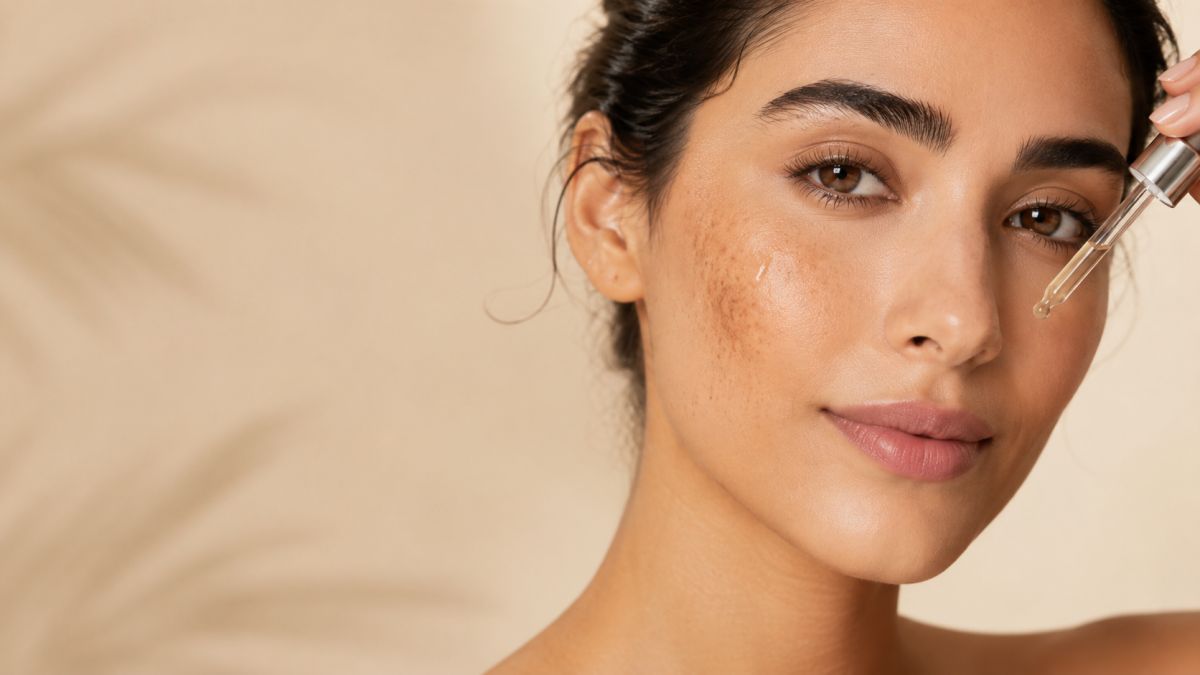
Evening out skin tone is one of the most common skincare goals for both women and men, especially when dark spots, post-acne marks, melasma, sun tanning, or dullness make the face look uneven. What matters most is understanding that evening out skin tone does not mean changing your natural skin color. It means reducing pigmentation, redness, and visible color differences so the skin looks clearer and more balanced.
Uneven skin tone can happen for many reasons, including sun exposure without protection, post-acne marks, dryness, skin irritation, over-exfoliation, hormonal changes, or using strong products that do not suit your skin type. That is why there is no single solution that works for everyone.
What Does Evening Out Skin Tone Mean?
Evening out skin tone means improving the look of skin when some areas are darker, lighter, or more red than others. This may appear as brown spots, acne marks, melasma, darkness around the mouth, a dull overall tone, or scattered pigmentation across the face.
It is important to distinguish between evening out skin tone and skin lightening. Lightening is often used to describe making the skin lighter than its natural color, while evening out tone focuses on restoring balance and reducing spots and discoloration without trying to change the skin’s natural shade.
Causes of Uneven Facial Skin Tone
Before choosing a cream or serum for uneven tone, you need to understand the real cause of the discoloration. Sometimes the issue is simple and mainly needs hydration and daily sun protection. In other cases, it may be linked to melasma, inflammation, or acne marks and need a longer treatment-focused routine.
| Cause of discoloration | What may help |
|---|---|
| Post-acne marks, brown or red spots | Treat active acne first, then use niacinamide or azelaic acid |
| Sun exposure, brown spots or uneven tanning | Daily sunscreen, vitamin C, niacinamide |
| Melasma, larger dark patches | Strong sun protection, targeted ingredients, and a dermatologist when needed |
| Dryness, dullness, and rough texture | Hydration and skin barrier repair before stronger actives |
| Irritation and over-exfoliation, redness and new pigmentation | Stop the irritants and return to a simple routine |
Melasma in particular can be stubborn because it is often linked to both hormones and sun exposure, so it usually needs a more specific approach.
Morning Routine to Even Out Skin Tone
A morning routine for more even-looking skin focuses on protection and preventing new discoloration from forming during the day.
1. Gentle cleanser
Start the day with a cleanser that suits your skin type. The goal is not deep stripping. It is to remove excess oil and impurities without drying the skin or weakening the skin barrier.
2. A serum for uneven tone
After cleansing, you can use a serum with ingredients that help fade visible discoloration. Niacinamide is one of the most popular and safest options. It suits most skin types, helps reduce redness, supports the skin barrier, and gradually improves overall tone. Other suitable morning ingredients include vitamin C and alpha arbutin.
You do not need every brightening ingredient at once. Choose one active or one product. Too many products can irritate the skin and slow progress.
3. A suitable moisturizer
After the serum, apply a moisturizer that suits your skin type. If your skin is dry or has a weakened barrier, hyaluronic acid is one of the most effective ingredients for deep hydration and can make the skin more comfortable with other treatment products.
4. Sunscreen
Sunscreen is the most important step in any routine for evening out skin tone. Even if you use the best serum or cream, discoloration can return or become darker if the skin is not protected. Apply it every morning and reapply it with prolonged sun exposure or sweating.
Without sunscreen, treating pigmentation becomes slower and less effective.
Night Routine to Even Out Skin Tone
A nighttime routine focuses on treatment and repair. At night, the skin does not need sun protection. It needs proper cleansing, suitable treatment ingredients, and hydration that supports recovery.
1. Remove makeup and sunscreen
If you wear makeup or sunscreen, remove it well in the evening. Leftover product can clog pores and worsen dullness, especially in oily skin.
2. Cleanse with a suitable face wash
After removing product buildup, use a cleanser that suits your skin type. A harsh cleanser is usually not the best choice at night, because aggressive cleansing can lead to dryness and irritation that make uneven tone worse.
3. Use a treatment for discoloration
In this step, the active ingredient depends on the problem. If the discoloration is mostly linked to acne marks, azelaic acid can be a good choice. If the goal is to improve cell turnover and gradually fade post-acne marks, retinol can be effective, but it should be introduced slowly and is not suitable during pregnancy.
| Ingredient | Best for | Note |
|---|---|---|
| Niacinamide | Uneven tone, redness, oily skin, and sensitive skin | Gentle and suitable for most skin types |
| Vitamin C | Dullness and sun-related spots | Best used in the morning with sunscreen |
| Azelaic acid | Post-acne marks, redness, acne-prone skin | A good option for relatively sensitive skin |
| Alpha arbutin | Dark spots and pigmentation | Gradual and gentle brightening support |
| Tranexamic acid | Melasma and stubborn discoloration | Needs consistency and strong sun protection |
| Retinol | Post-acne marks, texture, cell renewal | Do not use during pregnancy and introduce gradually |
| Exfoliating acids such as glycolic or lactic acid | Texture and surface pigmentation | Use with caution, especially on sensitive skin |
Do not use multiple strong actives in the same night. Irritation can turn into new pigmentation.
4. Moisturizer to repair the skin barrier
After the serum or treatment, use a suitable moisturizer. This step is especially important if your routine includes acids or retinol. A moisturizer helps calm the skin, reduce dryness, and support the skin barrier.
Recommended Moisturizer : Lancome Moisturizer5. Gentle exfoliation once or twice a week
Exfoliation may help remove dead skin cells and improve the appearance of surface discoloration, but it must be done carefully. Daily or harsh exfoliation can weaken the skin and lead to more pigmentation.
Best Ingredients That Help Fade Pigmentation
Internal skin support matters too. Best vitamins for skin often include vitamin C, vitamin E, and zinc, which support skin health and appearance from within. They support an external routine, but they do not replace it.
Evening Out Tone in Sensitive Skin
Sensitive skin needs more patience and a simpler routine. A common mistake is using strong lightening products or too many acids in the hope of a faster result, but sensitive skin can become irritated easily, and that irritation may make pigmentation worse.
For sensitive skin, start with a simple routine that includes a gentle cleanser, a soothing moisturizer, sunscreen, and just one active for discoloration such as niacinamide or azelaic acid in a suitable concentration. Avoid harsh exfoliants and home remedies such as lemon or baking soda.
Evening Out Tone in Oily Skin
Oily skin often needs treatment for discoloration while also controlling oil and acne. Oily skin may be more prone to post-acne marks, so treating active breakouts is important so new spots do not keep forming.
A routine for oily skin may include a suitable cleanser, niacinamide serum, a lightweight non-greasy moisturizer, and a sunscreen that does not clog pores. At night, azelaic acid or salicylic acid may be used depending on the skin’s needs.
Do not over-dry oily skin. Dryness can trigger more oil production and more irritation.
Safely Evening Out Darker Skin Tones
Darker skin tones need a more careful approach because they may be more prone to post-inflammatory hyperpigmentation. The goal is not to lighten the natural skin tone, but to reduce spots and uneven patches so the complexion looks more even.
The best approach for darker skin tones includes daily sunscreen, a gentle treatment for pigmentation, good hydration, and avoiding anything that repeatedly irritates the skin.
Evening Out Skin Tone for Men
The principle is not very different for men, but there can be additional triggers such as frequent shaving, which may cause irritation and dark marks, especially around the beard and neck.
A simple men’s routine can include a gentle cleanser in the morning, a light moisturizer, sunscreen, and then a suitable evening serum such as niacinamide. This can help even out facial tone without too many steps.
Can You Even Out Skin Tone Naturally?
Natural does not always mean safe. Some popular home remedies such as lemon, baking soda, coarse sugar, or strong homemade blends can cause irritation, sensitivity, and more pigmentation instead of improvement.
Safe habits that support a more even-looking tone include daily sunscreen, enough water, good sleep, and avoiding picking at acne. A balanced diet rich in vitamin C, vitamin E, and zinc supports the skin, but it is not a substitute for a proper external routine.
The Fastest Safe Way to Even Out Skin Tone
The fastest safe way to improve skin tone is to combine three things: daily sun protection, one suitable pigmentation-focused ingredient, and avoiding irritation. No real product can safely transform pigmentation in one or two days.
Brighter-looking skin may be noticeable within a few weeks, but fading pigmentation and post-acne marks often takes 8 to 12 weeks or longer depending on the depth of the discoloration, the skin type, and consistency with the routine.
Mistakes That Delay More Even Skin Tone
- Not using sunscreen every day.
- Using lemon or harsh mixtures on the face.
- Exfoliating daily or layering multiple acids together.
- Using unknown lightening creams.
- Trying many products at the same time.
- Ignoring active acne.
- Not moisturizing dry or sensitive skin properly.
- Expecting immediate results and stopping too early.
When Should You See a Dermatologist?
- If the spots are growing or spreading quickly.
- If there is clear melasma or pigmentation linked to pregnancy or hormones.
- If the discoloration comes with itching, pain, or severe peeling.
- If the skin becomes irritated by most products.
- If there is no noticeable improvement after 8 to 12 weeks of a suitable routine.
- If you are pregnant or breastfeeding and want to use active pigmentation treatments.
Frequently Asked Questions
What is the best treatment for evening out facial skin tone?
The best treatment depends on the cause. For sun-related spots, daily sunscreen with vitamin C or niacinamide is often helpful. For post-acne marks, azelaic acid or niacinamide may work well. For melasma and more stubborn pigmentation, a more targeted routine or a dermatologist may be needed.
What are the best ingredients for evening out skin tone and reducing pigmentation?
Some of the most useful ingredients include niacinamide, vitamin C, azelaic acid, alpha arbutin, tranexamic acid, and retinol. The best choice depends on the type of discoloration and your skin type.
Is sunscreen necessary when trying to even out skin tone?
Yes. Sunscreen is the most important step in any routine for uneven tone. Without it, pigmentation can return or become darker no matter how good the other products are.
How long does it take to even out skin tone?
Brighter-looking skin may appear within 2 to 4 weeks. Fading pigmentation and making the tone look more even often takes 8 to 12 weeks or longer depending on the depth of discoloration, the skin type, and consistency.
Does evening out skin tone mean lightening the skin?
No. Evening out skin tone means reducing spots and visible discoloration while keeping the skin’s natural color. Lightening the natural skin color is a different goal.
Can lemon even out skin tone?
Lemon is not recommended on the face. Its acidity can cause irritation and new pigmentation, especially with sun exposure. Ingredients such as niacinamide or properly formulated vitamin C are safer and more effective.
What is the difference between a serum and a cream for evening out skin tone?
A serum is usually more concentrated and targets discoloration more directly. A cream mainly supports hydration and the skin barrier. The most practical approach is often a suitable serum followed by a supportive cream or moisturizer.
Can darker skin tones be treated safely for uneven tone?
Yes. Darker skin tones can be treated safely, but they need a gentler approach because they are more prone to post-inflammatory pigmentation. The goal is to reduce spots while preserving the natural skin tone, not to bleach the skin.
Conclusion
Evening out skin tone does not require a complicated routine, but it does require the right choices and patience. Start by identifying the reason behind the pigmentation, then build a morning routine focused on protection and a night routine focused on treatment and hydration. Choose a serum or cream based on your skin type, and avoid harsh mixtures or overdoing actives. With consistency, facial tone can look more even and discoloration can improve in a safe and healthy way.
This article is for general education only. If the pigmentation is severe or has not improved after 12 weeks of a suitable routine, it is best to see a dermatologist.