How to Use Hyaluronic Acid for Your Skin Type
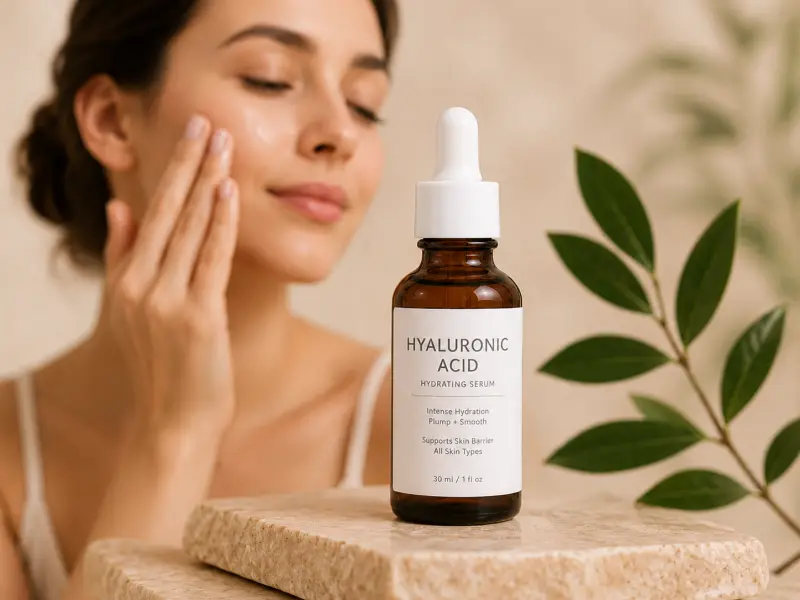
Hyaluronic acid is one of the most widely used hydrating ingredients in daily skincare because it helps the skin attract water and maintain a fuller, smoother appearance. But the way you use it should not be exactly the same for everyone. Dry skin needs a different approach from oily or sensitive skin, and using hyaluronic acid on its own may not be enough if hydration is not sealed in with a suitable moisturizer.
What Is Hyaluronic Acid?
Hyaluronic acid is a substance that naturally exists in the body, especially in the skin, eyes, and joints. Its main role is to retain water, which is why it is strongly associated with hydration, elasticity, and skin plumpness. Cleveland Clinic explains that hyaluronic acid helps the skin stretch and stay flexible, and it may also help reduce the appearance of fine lines and wrinkles.
In skincare products, hyaluronic acid commonly appears in serums, creams, hydrating gels, face masks, and eye creams. It does not work as an exfoliant or a direct brightening ingredient. Its main role is to support skin hydration and improve the overall appearance of the skin.
How Does Hyaluronic Acid Hydrate the Skin?
Hyaluronic acid is classified as a humectant, which means it helps attract water to the surface of the skin. When used correctly, it can make the skin look softer and fuller, especially if the skin is dealing with dryness or dehydration.
Harvard Health explains that larger hyaluronic acid molecules often remain on the surface of the skin and provide surface hydration, while results can vary depending on the size of the molecules and the formula itself. That is why it is not enough to see Hyaluronic Acid written on the label. The product texture and the ingredients paired with it matter too.
Is Hyaluronic Acid Suitable for All Skin Types?
Yes, hyaluronic acid suits most skin types, but the way it is used can vary depending on your skin type. Before choosing the most suitable product, it helps to understand your skin type because that affects the best texture and supporting ingredients.
| Skin Type | Does It Suit It? | Best Way to Use It |
|---|---|---|
| Dry skin | Yes, but it is not enough on its own | Apply on damp skin, then follow with a rich moisturizer |
| Oily skin | Yes, very much | Use a lightweight serum, then a gel moisturizer |
| Sensitive skin | Usually yes | Choose a formula free from fragrance and harsh alcohol |
| Combination skin | Yes | Use a light amount with a balanced moisturizer |
| Acne-prone skin | Yes, if the formula is lightweight | Choose a non-greasy product that does not clog pores |
| Mature skin | Yes, as hydration support | Use it with a moisturizer containing barrier-supporting ingredients |
How to Use Hyaluronic Acid for Dry Skin
Dry skin does not only suffer from a lack of water. It may also struggle with a lack of natural oils and a weaker skin barrier. That is why using a hyaluronic acid serum alone may give temporary hydration, but it is not always enough to hold moisture inside the skin.
The best way to use it for dry skin is to apply hyaluronic acid to slightly damp skin after cleansing, then follow with a rich moisturizer that contains ingredients such as ceramides, glycerin, shea butter, or panthenol.
| Step | What to Do |
|---|---|
| After cleansing | Leave the skin slightly damp |
| Serum | Apply a few drops of hyaluronic acid |
| Moisturizer | Use a rich cream to lock hydration in |
| Morning | Add sunscreen as the final step |
How to Use Hyaluronic Acid for Oily Skin
There is a common belief that oily skin does not need hydration, but that is not true. Sometimes the skin produces more oil because it lacks balance and proper hydration. Hyaluronic acid works well for oily skin because it gives light hydration without adding a heavy greasy layer.
| Factor | Best Choice for Oily Skin |
|---|---|
| Texture | Lightweight serum or gel |
| Moisturizer after it | Gel moisturizer or light lotion |
| Helpful ingredients with it | Niacinamide, glycerin, panthenol |
| Avoid | Heavy layers and oils that clog pores |
Is Hyaluronic Acid Suitable for Sensitive Skin?
Usually yes, because hyaluronic acid is considered relatively gentle. But sensitive skin does not only react to the main ingredient. It may also react to fragrance, harsh alcohol, dyes, or preservatives in the product.
That is why, when choosing hyaluronic acid for sensitive skin, it is better to look for a short and simple formula, preferably fragrance-free. It is also helpful to test it on a small area first before applying it to the whole face.
How to Use Hyaluronic Acid for Combination Skin
Combination skin needs balance because the forehead, nose, and chin may be oily while the cheeks may be dry or normal. To build the right skincare routine for your skin in more detail, it helps to review a full guide to skin types. In general, you can use a hyaluronic acid serum across the whole face, then choose a moisturizer depending on the needs of each area.
What Is the Difference Between Dry Skin and Dehydrated Skin?
This is a very important point when using hyaluronic acid.
- Dry skin means the skin lacks natural oils.
- Dehydrated skin means the skin lacks water.
| Condition | What Does the Skin Need? | Is Hyaluronic Acid Helpful? | What Should Be Used with It? |
|---|---|---|---|
| Dry skin | Oils and hydration | Yes, with a rich moisturizer | Ceramides + cream |
| Dehydrated skin | Water and light hydration | Yes, very much | Light moisturizer |
| Oily dehydrated skin | Water without heaviness | Yes, with a gel moisturizer | Gel or lotion |
| Sensitive dry skin | Barrier support | Yes, with ceramides | Gentle moisturizer |
Should Hyaluronic Acid Be Applied to Damp Skin?
Yes, this is one of the best ways to use it. Because hyaluronic acid attracts water, applying it to slightly damp skin helps it work better. After that, a moisturizer should be applied to keep the water inside the skin.
Simple steps:
- Wash your face with a gentle cleanser.
- Leave the skin slightly damp, not soaking wet.
- Apply your hyaluronic acid serum.
- Follow with a suitable moisturizer.
- In the morning, apply sunscreen as the essential final step to protect the skin and support hydration results.
Can Hyaluronic Acid Be Used with Retinol?
Yes, hyaluronic acid can be used with retinol, and it may actually help reduce the feeling of dryness or tightness that can happen with it. Hyaluronic acid can be used before moisturizer in the same routine, but if your skin is sensitive, keep the routine simple and introduce products gradually.
Example of a night routine with retinol:
- Gentle cleanser
- Hyaluronic acid on slightly damp skin
- Retinol depending on skin tolerance
- A suitable moisturizer
What Ingredients Work Well with Hyaluronic Acid?
Hyaluronic acid is a flexible ingredient and can be combined with many others. One of the best examples is niacinamide, which supports the skin barrier and helps calm the appearance of redness. It works especially well with hyaluronic acid for oily and combination skin.
| Ingredient | Its Benefit with Hyaluronic Acid |
|---|---|
| Glycerin | Attracts moisture and supports hydration |
| Ceramides | Help strengthen the skin barrier |
| Niacinamide | Supports the barrier and calms visible redness |
| Panthenol | Helps soothe the skin |
| Vitamin C | Can be used with it to support radiance |
| Retinol | Hyaluronic acid may help reduce the dryness linked to it |
| Squalane | Helps reduce moisture loss |
To learn more about vitamins that support the skin, such as vitamin C and vitamin E, and how they work with hyaluronic acid in a daily routine, you can explore the dedicated section on Vitaminati.
Can Hyaluronic Acid Be Used with Vitamin C?
Yes, it can be used with vitamin C. Vitamin C may cause dryness or a slight stinging sensation for some people, so hyaluronic acid can help make the routine gentler and more hydrating. Vitamin C can be used in the morning, followed by hyaluronic acid, then moisturizer and sunscreen.
Does Hyaluronic Acid Treat Wrinkles?
Hyaluronic acid does not remove deep wrinkles, but it may reduce the appearance of fine lines caused by dryness because it gives the skin temporary hydration and plumpness. It is better described as a supportive ingredient for hydration and fullness, not as a final treatment for wrinkles.
Does Hyaluronic Acid Treat Pigmentation?
Hyaluronic acid is not a direct treatment for pigmentation. It may make the skin look healthier and brighter because of hydration, but it does not work like known brightening ingredients such as vitamin C, niacinamide, azelaic acid, or tranexamic acid.
If pigmentation is the main concern, hyaluronic acid can be used to support hydration, but you should still rely on dedicated pigmentation-targeting ingredients together with sunscreen.
Common Mistakes When Using Hyaluronic Acid
- Using it on completely dry skin without moisturizing afterward.
- Not applying a moisturizer after the serum.
- Using too much product.
- Choosing a heavy product for oily skin.
- Relying on it alone to treat pigmentation or acne.
- Using more than one product containing hyaluronic acid without real need.
- Ignoring other irritating ingredients inside the formula.
How to Choose the Right Hyaluronic Acid Quickly
| Skin Need | Best Product | Helpful Supporting Ingredients |
|---|---|---|
| Clear dryness | Cream or serum with a rich moisturizer | Ceramides, glycerin, panthenol |
| Oiliness and shine | Light serum or gel | Niacinamide, glycerin |
| Sensitivity and redness | Simple formula | Panthenol, allantoin, ceramides |
| Fine lines from dryness | Serum with moisturizer | Peptides, glycerin, ceramides |
| Use with retinol | Hydrating serum | Hyaluronic acid, panthenol |
| Acne-prone skin | Light gel | Non-greasy, non-comedogenic ingredients |
Frequently Asked Questions About Hyaluronic Acid
Is hyaluronic acid suitable for oily skin?
Yes, it is very suitable if the texture is lightweight. Oily skin still needs hydration, but the best choice is usually a serum or gel that does not leave a heavy greasy layer.
Should I apply hyaluronic acid before or after moisturizer?
It should be applied before moisturizer. The best method is to use it on slightly damp skin, then follow with a moisturizer to lock hydration in.
Should hyaluronic acid be used daily?
It can be used daily morning and night if your skin tolerates it well. There is no need to use several products containing hyaluronic acid in the same routine.
Can hyaluronic acid replace moisturizer?
No, especially if it is in serum form. It attracts water, but moisturizer helps lock that hydration in and reduces moisture loss from the skin.
Can hyaluronic acid be used in the morning?
Yes, it can be used in the morning. After it, apply a moisturizer, then sunscreen, which is an essential step to protect the skin and maintain hydration results throughout the day.
Can it be used around the eyes?
It can be used around the eyes if the product is suitable for that area. The eye area is delicate, so it is better to choose a cream or serum specifically made for the eye contour.
Conclusion
Hyaluronic acid is one of the best daily hydration ingredients, but it works better when used the right way for your skin type. Dry skin needs a richer moisturizer after it, oily skin needs a lighter formula, and sensitive skin needs a simple product without irritants.
The most important thing to remember is this: hyaluronic acid attracts water, but it does not always lock hydration in on its own. Use it on damp skin, follow with a suitable moisturizer, and do not forget sunscreen in the morning. For more about complete skincare routines and skin health in general, visit the dedicated section on Vitaminati.
That is how hyaluronic acid becomes an effective step in your skincare routine instead of just a temporary hydrating serum.