Manganese benefits for bone health and how to get enough from food
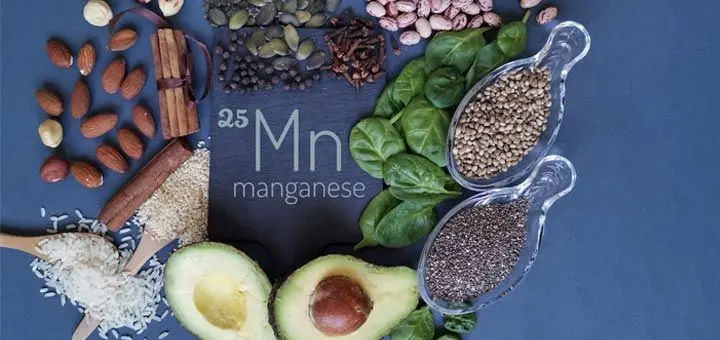
A bowl of brown rice and chickpeas can supply much of the manganese you need in a day. Half a cup of each, cooked, provides about 2 mg. For comparison, the daily adequate intake is 1.8 mg for adult women who are neither pregnant nor breastfeeding and 2.3 mg for adult men.
Manganese helps your body build bone and use nutrients from food. Whether taking extra manganese protects against osteoporosis is a different question, particularly after menopause. Here is what the evidence tells us and how to work out what you already get from meals and supplements.
What is manganese, and what does it do in the body?
Manganese is a trace mineral, meaning you need it in small amounts. Enzymes use it to help process carbohydrates and amino acids. One manganese-dependent enzyme also helps protect cells from reactive molecules produced as cells generate energy. This is the basis for the often-repeated claim that manganese has antioxidant benefits. It describes what the mineral does in a healthy cell, without establishing a benefit from taking extra.
Is manganese the same as magnesium? How can I tell them apart?
Look for the full names on the label. Manganese has the chemical symbol Mn. Magnesium has the symbol Mg. Adults need just a few milligrams of manganese per day, while daily magnesium requirements run into the hundreds of milligrams. A mineral supplement may list both ingredients. The lowercase “mg” after a number means milligrams, a unit of weight used for either mineral. If you were looking for magnesium, read about magnesium’s role in energy use, muscles and nerves.
How does manganese help build bones?
Bone needs both a supporting framework and the minerals that give it hardness. Manganese helps enzymes involved in forming that framework. Calcium is a major component of the mineral deposited within it, while vitamin D helps the gut absorb calcium from food. These distinct jobs explain why adding manganese cannot make up for insufficient calcium or vitamin D. Read more about calcium and bone health.
Can manganese supplements prevent osteoporosis after menopause?
There is too little evidence to recommend manganese on its own to prevent osteoporosis. In one small two-year study, postmenopausal women who took calcium together with manganese, zinc and copper had better spinal bone density outcomes than those who took a placebo. Because the researchers tested the minerals together, the study cannot tell us how much manganese contributed, if at all. It also does not establish that taking manganese prevents fractures.
If a fracture after a minor fall prompted you to look into bone supplements, mention the fracture to your clinician. A review of your fracture risk and whether you need a bone density scan can guide decisions about care. Vitaminati’s guide to osteoporosis in women explains what that assessment involves.
Which foods are rich in manganese?
Hazelnuts, whole grains and legumes are useful sources. Black tea contributes some manganese, too. When comparing foods, check the portion and whether the measurement is for cooked or dry food. The rice, oats and lentils below are measured after cooking. The chickpea entry refers to plain cooked chickpeas, so the amount in a serving of prepared hummus will depend on the recipe.
| Food | Serving | Manganese (mg) |
|---|---|---|
| Dry-roasted hazelnuts | 1 oz (28 g) | 1.6 |
| Cooked medium-grain brown rice | ½ cup | 1.1 |
| Cooked chickpeas | ½ cup | 0.9 |
| Boiled spinach | ½ cup | 0.8 |
| Cooked oatmeal | ½ cup | 0.7 |
| Cooked lentils | ½ cup | 0.5 |
| Brewed black tea | 1 cup | 0.5 |
How much manganese do I need during adulthood, pregnancy or breastfeeding?
Nutrition authorities use an “adequate intake” for manganese because there is too little evidence to calculate a precise requirement for each person. The figures below are reference amounts for usual intake from all sources. They are useful for planning meals and should not be read as a supplement prescription.
| Group | Manganese (mg/day) |
|---|---|
| Men | 2.3 |
| Women who are neither pregnant nor breastfeeding | 1.8 |
| During pregnancy | 2.0 |
| During breastfeeding | 2.6 |
Breastfeeding has the highest adult reference value in the table, at 2.6 mg a day. If you already take a prenatal or postnatal vitamin and are considering a separate mineral supplement, check the ingredients and serving size with a pharmacist first.
How can I get enough manganese from everyday meals?
Start with half a cup of cooked oatmeal for breakfast, which supplies about 0.7 mg. At lunch, half a cup each of cooked brown rice and lentils adds another 1.6 mg. Together, those three foods provide around 2.3 mg before you count the rest of the day’s meals. If lentils are not a favorite, chickpeas also work well with rice. The example shows how the amounts add up across meals. There is no need to track every milligram or eat the same foods every day.
What are the symptoms of manganese deficiency? Can I recognize it myself?
Manganese deficiency is very rare in humans. Researchers have seen too few cases to identify a reliable pattern of symptoms. Bone pain, fatigue or mood changes can have many explanations, and none establishes manganese deficiency. Blood manganese is also a poor guide to usual dietary intake, so clinicians do not routinely use it to assess nutrition. If symptoms persist, their timing, duration and effect on everyday life will give your clinician more useful information than trying a manganese supplement on your own.
Do I need a manganese supplement if I regularly eat nuts and whole grains?
Most people get enough through food. If you already use a multivitamin or bone-health product, look for manganese on its Supplement Facts panel and check the serving size. For example, if the serving is two tablets and the panel lists 2 mg of manganese, that is 2 mg for the pair. If you take two different products, add the amounts from the servings you actually take. This guide explains how to read the numbers on a supplement label.
What happens if I get too much manganese, and how much is too much?
Sustained excessive exposure can harm the nervous system and cause tremor, difficulty walking or problems with balance. Recognized sources include workplace exposure to manganese dust or fumes and unusually high levels in drinking water. Ordinary meals containing grains and legumes have not been associated with manganese toxicity in healthy people.
The U.S. upper intake level for adults aged 19 and over is 11 mg per day across food, drinks and supplements combined. That is well above the adequate intake. A stand-alone product supplying 10 mg in a serving would leave little room below that limit before you counted any meals. The upper level is a safety reference, not a target to aim for.
Does iron deficiency or liver disease change how the body handles manganese?
Iron deficiency can increase the amount of manganese absorbed from the gut. The liver matters for a different reason. Most absorbed manganese leaves the body through bile, and chronic liver disease can impair that route of removal. If you have iron deficiency or chronic liver disease, bring the label of any manganese-containing supplement to your clinician or pharmacist so they can review the amount in the context of your health.
The takeaway. Chickpeas, lentils and whole grains are practical ways to get the manganese your bones need. If your concern is osteoporosis or a previous fracture, a bone health assessment is a more useful starting point than adding a manganese pill.
Scientific sources
NIH Office of Dietary Supplements, manganese fact sheet for health professionals (food portions, adequate intake values, bone research and safety).
NIH Office of Dietary Supplements, consumer guide to manganese and Harvard T.H. Chan School of Public Health, The Nutrition Source on manganese.