Oxidative Stress on the Face: How Does It Show on the Skin?
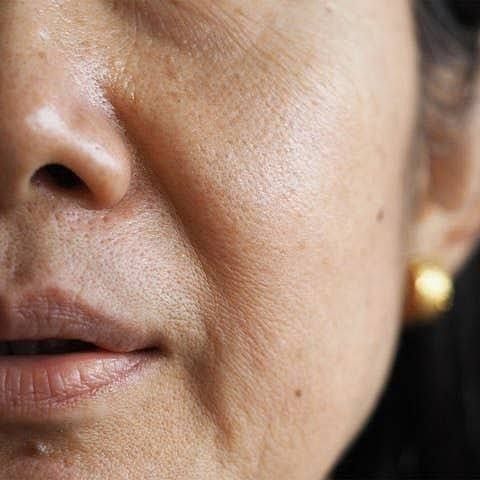
Oxidative stress on the face does not usually appear as one clear “symptom.” Instead, it may contribute gradually to visible skin changes such as dullness, fine lines, wrinkles, uneven skin tone, dark spots, rough texture, redness, and reduced elasticity. These changes happen because free radicals can affect skin lipids, proteins, DNA, collagen, and the skin barrier over time.
However, it is important to be accurate: you cannot look at the face and diagnose a “high oxidation rate.” The same signs may also be caused by sun exposure, dehydration, poor sleep, aging, hormonal changes, irritation, anemia, acne, eczema, melasma, or other skin conditions. Oxidative stress is one possible biological mechanism behind skin aging and damage, not a standalone facial diagnosis.
What Is Oxidative Stress?
Oxidative stress happens when the production of reactive oxygen species, often called free radicals, becomes greater than the body’s ability to neutralize them through antioxidant defenses. Reactive oxygen species are not always harmful; the body naturally produces them during normal metabolism, and they can play roles in cell signaling. The problem begins when their levels become excessive or when antioxidant defense is not enough.
In the skin, oxidative stress is especially relevant because the face is constantly exposed to external stressors. Ultraviolet radiation, visible light, pollution, cigarette smoke, and lifestyle factors can all increase oxidative pressure on facial skin. Over time, this may affect collagen, elastin, pigmentation balance, and the skin barrier.
For a broader understanding of nutrients that support normal body functions, including antioxidant-related roles, you can review Vitaminati’s guide on why vitamins are essential for the human body.
Why Does Oxidative Stress Affect the Face So Much?
The face is one of the most exposed areas of the body. Unlike skin that is usually covered by clothing, facial skin receives repeated exposure to sunlight, air pollution, temperature changes, cosmetics, cleansing products, and environmental irritants.
Ultraviolet radiation is one of the strongest external triggers of oxidative stress in skin. UVA rays penetrate deeper into the dermis, where collagen and elastin fibers are found, while UVB rays are more associated with sunburn and surface damage. Both can contribute to photoaging, which means premature skin aging caused by light exposure.
Air pollution may also play a role. Pollutants can interact with the skin surface and generate oxidative reactions that may contribute to wrinkles, pigmentation changes, inflammation, and barrier stress. Smoking adds another layer of oxidative burden because tobacco smoke contains compounds that can promote inflammation and collagen breakdown.
How Oxidative Stress May Appear on the Face
Oxidative stress does not create one specific facial pattern, but it may contribute to several common skin changes. These signs are usually gradual and may overlap with normal aging, sun damage, and lifestyle-related skin fatigue.
1. Dull or Tired-Looking Skin
One of the most common ways oxidative stress may appear is a dull, less radiant complexion. This can happen when the skin barrier is stressed, surface turnover is slower, or the skin is affected by repeated environmental exposure.
Dull skin is not always a sign of oxidation. It can also be related to dehydration, lack of sleep, poor cleansing habits, low iron, low vitamin intake, or simply dry skin. That is why the goal should be to support overall skin health rather than assuming one cause.
2. Fine Lines and Wrinkles
Oxidative stress is strongly discussed in research on skin aging because it can influence collagen and elastin. Collagen helps keep skin firm, while elastin helps it remain flexible. When UV exposure and oxidative stress activate enzymes that break down structural proteins, the skin may gradually lose smoothness and firmness.
This does not mean oxidation is the only cause of wrinkles. Genetics, facial movement, hormonal changes, age, sun exposure, smoking, and skin dryness all contribute. Still, oxidative stress is one important mechanism that helps explain why unprotected sun exposure accelerates visible aging.
Because vitamin C is involved in collagen formation and antioxidant defense, it is often discussed in relation to skin structure. You can learn more in Vitaminati’s article on vitamin C for skin health and radiance.
3. Uneven Skin Tone and Dark Spots
Oxidative stress may contribute to pigmentation changes, especially when combined with UV exposure. Sun-exposed areas of the face, such as the cheeks, forehead, nose, and upper lip, are more likely to develop uneven tone, freckles, dark spots, or melasma-like discoloration in susceptible people.
Dark spots should be approached carefully. Many are benign pigmentation changes, but any spot that changes rapidly, bleeds, becomes painful, has irregular borders, or looks different from other spots should be assessed by a dermatologist.
4. Loss of Skin Elasticity
Reduced elasticity means the skin may look less firm or less “bouncy.” Oxidative stress may contribute by affecting collagen, elastin, and the extracellular matrix, which is the support structure around skin cells.
This is why antioxidant support alone is not enough. Skin elasticity depends on sun protection, protein intake, hydration, sleep quality, hormonal status, age, and consistent skin care. Collagen-related products may be helpful for some people, but the evidence and expected benefits should always be discussed realistically. For related reading, see Vitaminati’s article on skin hydration and collagen support.
5. Rough Texture and Dryness
Oxidative stress may affect skin lipids and barrier function. When the barrier is weakened, the skin may lose water more easily, feel rough, or become more reactive to cleansers, weather, and active ingredients.
Dryness and roughness are not always signs of oxidative stress. They may also result from over-exfoliation, harsh soaps, low humidity, eczema, retinoid irritation, or not using a suitable moisturizer.
6. Redness and Sensitivity
Oxidative stress and inflammation are closely connected. In some people, repeated environmental stress may make the skin look more reactive, with redness, stinging, or sensitivity. This is especially common when the skin barrier is already weak.
Persistent redness, flushing, burning, or visible blood vessels may be related to rosacea, dermatitis, allergies, or other skin conditions. These should not be self-diagnosed as “oxidation.”
What Triggers Oxidative Stress in Facial Skin?
Several internal and external factors can increase oxidative stress in the skin. The most important ones include:
- Unprotected UV exposure: One of the strongest drivers of premature skin aging.
- Air pollution: May contribute to oxidative reactions, pigmentation changes, and barrier stress.
- Smoking: Associated with collagen breakdown, dullness, wrinkles, and delayed skin repair.
- Poor sleep: May reduce the body’s ability to repair and regulate inflammation.
- Chronic stress: Can affect hormones, inflammation, and skin barrier function.
- Unbalanced diet: Low intake of fruits, vegetables, protein, and essential nutrients may limit normal skin support.
- Over-irritating skin care: Excessive exfoliation or harsh actives can weaken the barrier and make skin look inflamed.
Can Diet Help Support the Skin Against Oxidative Stress?
Diet cannot replace sunscreen or dermatological care, but it can support the body’s normal antioxidant defense system. Antioxidant nutrients are found in many foods, especially colorful fruits and vegetables, nuts, seeds, legumes, whole grains, and healthy fats.
Vitamin C, vitamin E, selenium, carotenoids, and polyphenols are often discussed in relation to oxidative stress. Vitamin C contributes to collagen biosynthesis and antioxidant activity, while vitamin E is a fat-soluble antioxidant that helps limit oxidative reactions involving lipids. Selenium is part of selenoproteins involved in protection from oxidative damage.
Vitamin E is especially relevant to skin because it is found in cell membranes and fatty structures. To understand its role more deeply, review Vitaminati’s guide on vitamin E benefits, deficiency, and safe use.
The best approach is food-first: citrus fruits, berries, kiwi, peppers, leafy greens, tomatoes, carrots, sweet potatoes, nuts, seeds, olive oil, fish, and legumes can all be part of a skin-supportive eating pattern. High-dose antioxidant supplements are not automatically better and may be inappropriate for some people, especially during certain medical treatments or when combined with medications.
What Skin Care Steps Help Reduce Oxidative Stress on the Face?
The most evidence-based daily step is consistent sun protection. Broad-spectrum sunscreen helps protect against both UVA and UVB radiation, and dermatology organizations commonly recommend SPF 30 or higher for daily use. Sunscreen should be applied generously and reapplied when needed, especially with sweating, swimming, or prolonged outdoor exposure.
Other helpful skin-care steps may include:
- Using a gentle cleanser: Harsh cleansing can weaken the barrier and worsen dryness.
- Moisturizing consistently: A healthy barrier helps the skin tolerate environmental stress better.
- Considering topical antioxidants: Ingredients such as vitamin C, vitamin E, niacinamide, ferulic acid, and green tea extracts may support skin defense, depending on formulation and tolerance.
- Avoiding over-exfoliation: Too many acids, scrubs, or active ingredients can create irritation that looks like “damaged” skin.
- Using retinoids carefully: Retinoids can support photoaging care, but they may irritate sensitive skin and are not suitable for everyone, especially during pregnancy unless advised by a clinician.
Skin care should be realistic. No serum can fully cancel the effects of repeated unprotected sun exposure, smoking, poor sleep, or chronic irritation. A simple routine done consistently is often better than an aggressive routine that damages the barrier.
Common Myths About Oxidation and the Face
Myth 1: You can diagnose high oxidation from the face alone
Facial signs can suggest skin stress, but they cannot confirm oxidative stress levels. Dullness, wrinkles, pigmentation, and redness have many possible causes. A proper assessment depends on history, lifestyle, skin type, sun exposure, medical conditions, and sometimes laboratory evaluation if deficiency or disease is suspected.
Myth 2: More antioxidants always mean better skin
Antioxidants are important, but more is not always better. The body needs balance. High-dose supplements may cause side effects, interact with medications, or be unsuitable for some people. A varied diet is usually safer and more beneficial than relying only on pills.
Myth 3: Oxidative stress only comes from pollution
Pollution matters, but it is not the only trigger. UV radiation, smoking, poor sleep, stress, inflammation, and normal metabolic processes can all contribute to oxidative load.
Myth 4: Young skin does not experience oxidative stress
Oxidative stress can affect skin at any age. Younger skin may repair more efficiently, but repeated sunburns, tanning, smoking, poor sleep, or harsh skin care can still contribute to premature signs.
When Should You See a Dermatologist?
Most dullness, dryness, or mild texture changes can improve with better sun protection, moisturizing, sleep, and a balanced routine. However, some skin changes need professional assessment.
See a dermatologist if you notice:
- A dark spot that changes shape, size, color, or border
- A spot that bleeds, crusts, itches, or does not heal
- Persistent redness, burning, or sensitivity
- Sudden pigmentation changes
- Severe acne, eczema, or inflammation
- Skin changes that worsen despite gentle care
Oxidative stress is a useful concept for understanding skin aging, but it should not replace medical evaluation when symptoms are persistent, sudden, or unusual.
How to Support Healthier-Looking Skin From the Inside and Outside
The most practical approach is to reduce avoidable triggers while supporting normal repair. This does not require a complicated routine.
- Use broad-spectrum sunscreen daily.
- Avoid tanning beds and unnecessary intense sun exposure.
- Do not smoke, and avoid secondhand smoke when possible.
- Eat a varied diet rich in colorful plant foods and adequate protein.
- Sleep enough to support normal recovery processes.
- Use a gentle cleanser and moisturizer that suits your skin type.
- Introduce active ingredients slowly, especially acids, retinoids, and strong vitamin C formulas.
- Consult a healthcare professional before using high-dose antioxidant supplements.
In simple terms, oxidative stress may appear on the face as dullness, premature fine lines, uneven tone, dark spots, roughness, redness, and reduced elasticity. But the face cannot diagnose oxidation by itself. The most scientific approach is to protect the skin from UV radiation, reduce environmental and lifestyle stressors, support nutrition, and seek dermatology advice when skin changes are persistent or concerning.
FAQs
1. Can oxidative stress show on the face?
Yes, oxidative stress may contribute to dullness, fine lines, wrinkles, uneven tone, dark spots, rough texture, and reduced elasticity. These signs are not specific to oxidative stress alone.
2. What causes oxidative stress in facial skin?
Common contributors include UV radiation, pollution, smoking, poor sleep, chronic stress, and an unbalanced diet. The skin also naturally produces reactive oxygen species during normal metabolism.
3. Does oxidative stress cause wrinkles?
It may contribute to wrinkles by affecting collagen, elastin, and skin repair pathways, especially when combined with repeated UV exposure. Aging, genetics, dryness, and facial movement also matter.
4. Is dull skin a sign of oxidation?
Dull skin may be related to oxidative stress, but it can also result from dehydration, poor sleep, dryness, anemia, dead skin buildup, or skin conditions. It is not a diagnosis by itself.
5. Can antioxidants reverse oxidative damage on the face?
Antioxidants may support skin defense, but they should not be described as reversing damage. Sun protection, balanced nutrition, sleep, and appropriate skin care are more realistic strategies.
6. Are antioxidant supplements necessary for better skin?
Not always. Many people can get antioxidant nutrients from food. Supplements may help in specific cases, but high doses are not automatically safer or more effective.
7. When should facial skin changes be checked?
See a dermatologist for sudden, painful, bleeding, rapidly changing, irregular, or persistent skin changes, especially dark spots or lesions that look different from the rest.
References
- Pizzino G, et al. Oxidative Stress: Harms and Benefits for Human Health. Oxidative Medicine and Cellular Longevity. 2017.
- Papaccio F, et al. Focus on the Contribution of Oxidative Stress in Skin Aging. Antioxidants. 2022.
- Rinnerthaler M, et al. Oxidative Stress in Aging Human Skin. Biomolecules. 2015.
- Fussell JC, et al. Oxidative Contribution of Air Pollution to Extrinsic Skin Ageing. Free Radical Biology and Medicine. 2020.
- American Academy of Dermatology Association. Sunscreen FAQs.
- NIH Office of Dietary Supplements. Vitamin C Fact Sheet for Health Professionals.
- NIH Office of Dietary Supplements. Vitamin E Fact Sheet for Health Professionals.
- NIH Office of Dietary Supplements. Selenium Fact Sheet for Health Professionals.
Medical disclaimer: This article is for general educational purposes only and does not replace medical advice. If you have persistent skin changes, a medical condition, are pregnant or breastfeeding, or take medications, consult a healthcare professional before starting supplements or active skin treatments.