Potassium Supplement for Kidney Health & Gout Relief
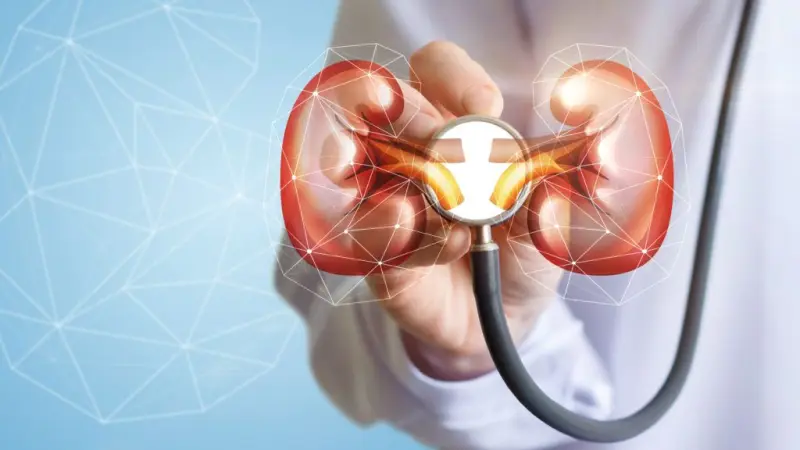
Potassium is an essential mineral and electrolyte that helps the body regulate fluid balance, support muscle contraction, transmit nerve signals, and maintain normal heart function. Because the kidneys help regulate how much potassium stays in the blood and how much is removed through urine, the relationship between potassium and kidney health needs careful understanding, especially when supplements are involved.
Interest has also grown around potassium citrate and its role in urine acidity, urine pH, and kidney stones, especially uric acid stones and conditions where urine is too acidic or low in citrate. However, potassium supplements or potassium citrate products are not suitable for everyone and should not be used to treat kidney stones, gout, painful urination, or urine acidity without medical evaluation.
What Does Potassium Do in the Body?
Potassium works with sodium and other electrolytes to help maintain fluid balance inside and outside cells. It also supports muscle function, nerve signaling, heart rhythm, and blood pressure-related processes. Both low and high potassium levels can affect muscles, heart rhythm, and overall health.
To understand this mineral more broadly, you can explore Vitaminati’s potassium hub or read how potassium supports kidney health.
- Helps maintain fluid balance in the body.
- Supports normal muscle contraction.
- Contributes to nerve signal transmission.
- Plays a role in normal heart rhythm.
- Is regulated by the kidneys through urine excretion.
Potassium and Kidney Health: The Basic Relationship
Healthy kidneys help keep potassium within a safe range in the blood. When the body receives potassium from food, the kidneys usually remove excess amounts through urine. When kidney function is reduced, the body may not remove extra potassium efficiently, which can lead to hyperkalemia, or high potassium in the blood.
For this reason, potassium advice is not the same for everyone. Healthy adults often benefit from potassium-rich foods as part of a balanced diet, while people with kidney disease may need to limit some potassium-rich foods or avoid potassium supplements depending on blood tests and medical guidance.
What Is Potassium Citrate?
Potassium citrate is an alkaline salt that may be used medically to make urine less acidic. This can be useful in certain kidney stone cases, especially uric acid stones that tend to form in acidic urine, as well as some cases of low urinary citrate.
You can read more in Vitaminati’s article on potassium citrates and how they work. In medical terms, potassium citrate is better described as a urinary alkalinizing agent rather than a traditional diuretic.
Can Potassium Help Reduce Kidney Stones?
Potassium, especially in the form of potassium citrate, may help reduce recurrence risk for some kidney stones in specific patients. This depends on the type of stone, urine pH, urinary citrate level, hydration, sodium intake, and other urine chemistry results.
It is not accurate to say that “potassium prevents kidney stones” for everyone. A more accurate statement is that potassium citrate may be helpful for some patients after medical evaluation, especially when urine is too acidic or citrate levels are low. You can read Vitaminati’s article on the role of potassium in reducing kidney stone formation.
Urine Acidity and Uric Acid Stones
Uric acid stones are more likely to form when urine is too acidic. In this situation, raising urine pH may be part of a medical plan to reduce the risk of stone formation or recurrence. In some cases, clinicians may recommend potassium citrate or another alkalinizing option depending on the patient’s condition.
However, uric acid, gout, and kidney stones are not the same condition. Gout involves uric acid crystal deposits in joints, while uric acid stones form in the urinary tract. A supplement or product that “supports uric acid balance” should not be considered a replacement for gout medication or a doctor’s treatment plan.
For more on this topic, see Vitaminati’s article Uric Acid and Gout: Why Is Urine Alkalinity Important?.
Potassium and Painful Urination: What Is the Link?
Some people look for potassium or potassium citrate when they experience painful urination or believe their urine is “too acidic.” Making urine less acidic may reduce discomfort in some selected situations, but painful urination can also be caused by urinary tract infection, kidney stones, irritation, dehydration, or other medical conditions.
If painful urination is accompanied by fever, flank pain, blood in the urine, frequent urgent urination, or persistent symptoms, do not rely only on supplements or urinary alkalinizers. These symptoms may require medical evaluation and urine testing.
When Might Potassium or Potassium Citrate Supplements Be Used?
Potassium supplements or potassium citrate may be used in specific situations, but they should not be used randomly. A healthcare professional may recommend them based on blood tests, kidney function, stone type, urine pH, urine citrate levels, and medication history.
- Some cases of confirmed low potassium.
- Some recurrent kidney stone cases, depending on stone type and urine testing.
- Some uric acid stone cases linked to acidic urine.
- Some cases of low urinary citrate.
- Specific situations determined by a healthcare professional.
Who Should Be Careful With Potassium Supplements?
Although potassium from food is essential, potassium supplements can be risky in some situations. Ask a doctor or pharmacist before using potassium supplements if you have any of the following:
- Chronic kidney disease or reduced kidney function.
- Previous high potassium levels.
- Heart disease or abnormal heart rhythm.
- Use of ACE inhibitors or ARB blood pressure medications.
- Use of potassium-sparing diuretics.
- Use of salt substitutes that contain potassium.
- Pregnancy or breastfeeding, unless medically advised.
Hyperkalemia: Why Can High Potassium Be Dangerous?
Hyperkalemia means high potassium levels in the blood. It may not cause obvious symptoms at first, but it can become dangerous because potassium affects the heart’s electrical activity. In severe cases, high potassium can lead to serious heart rhythm problems.
Possible symptoms include:
- Severe weakness or unusual fatigue.
- Numbness or tingling.
- Nausea or stomach upset.
- Palpitations or irregular heartbeat.
- Dizziness or feeling faint in severe cases.
Natural Sources of Potassium
Most healthy people can get potassium from food rather than supplements. Natural potassium sources include:
- Bananas.
- Potatoes and sweet potatoes.
- Avocado.
- Spinach and leafy greens.
- Lentils, beans, and chickpeas.
- Oranges and citrus fruits.
- Tomatoes and tomato products.
- Yogurt and milk.
However, people with kidney disease or high potassium may need to limit some of these foods. There is no single potassium rule that fits everyone.
Nutrition Tips to Help Prevent Kidney Stones
Kidney stone prevention does not depend on potassium alone. The stone type determines the most appropriate prevention plan, but several general strategies may help many people:
- Drink enough water according to health status and medical advice.
- Reduce excessive salt intake because sodium can increase calcium loss in urine.
- Avoid excessive animal protein, especially in people with uric acid stones.
- Maintain appropriate dietary calcium instead of cutting calcium randomly.
- Seek medical evaluation for recurrent stones to identify stone type and urine risk factors.
Common Mistakes When Using Potassium for Kidney Health
- Assuming potassium supplements are safe for everyone because potassium is “natural.”
- Using potassium citrate without knowing stone type or urine pH.
- Using potassium supplements with blood pressure medications or diuretics without advice.
- Ignoring kidney function before taking supplements.
- Relying on supplements instead of hydration and diet changes.
- Assuming painful urination is always caused by acidity rather than infection or another cause.
FAQs
1. What is the role of potassium in kidney health?
Potassium supports fluid balance, muscle function, nerve signaling, and heart rhythm. The kidneys regulate potassium levels in the blood, so kidney health is closely linked to potassium balance.
2. Can potassium citrate help prevent kidney stones?
It may help in selected cases, especially when urine is too acidic or urinary citrate is low. However, it does not suit every stone type and should be used under medical guidance.
3. Is potassium helpful for gout?
Potassium citrate may help alkalinize urine in the context of uric acid stones, but it is not a direct treatment for gout and does not replace prescribed gout medication.
4. Who should be careful with potassium supplements?
People with kidney disease, heart disease, high potassium, or those using certain blood pressure medications or potassium-sparing diuretics should ask a doctor before using potassium supplements.
5. What are symptoms of high potassium?
Symptoms may include weakness, numbness, nausea, palpitations, or irregular heartbeat. High potassium can be dangerous even without obvious symptoms.
6. What are the best natural sources of potassium?
Good sources include bananas, potatoes, sweet potatoes, spinach, lentils, beans, avocado, oranges, tomatoes, and yogurt.
7. Can potassium be taken every day?
Most healthy people can get potassium daily from food. Potassium supplements should only be used when needed and recommended by a healthcare professional.
8. Is drinking water important for kidney stones?
Yes. Drinking enough water is one of the most important steps to reduce the risk of recurrent kidney stones, but the right amount depends on kidney, heart, and overall health status.
Conclusion
Potassium is essential for fluid balance, muscle and nerve function, heart rhythm, and overall mineral balance. Potassium citrate may also be useful in selected kidney stone cases related to acidic urine or low urinary citrate. However, this does not mean potassium supplements are suitable for everyone.
For most healthy people, the best approach is to get potassium from a balanced diet, stay well hydrated, and understand the type of kidney stone if there is a history of stones. Potassium supplements or urine-alkalizing products should be used carefully and under medical supervision, especially in people with kidney disease or medications that affect potassium levels.