Stroke Symptoms: Warning Signs, Risk Factors, and What to Do
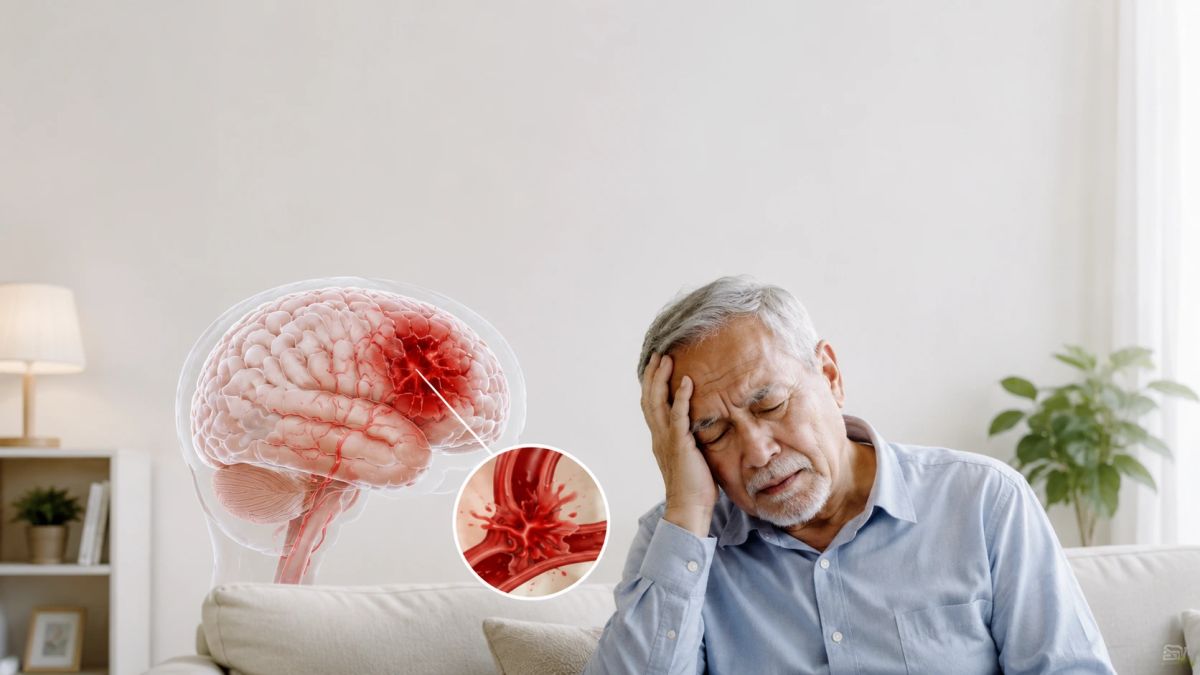
Stroke symptoms can appear suddenly and may look different from one person to another. Warning signs can include face drooping, arm weakness, speech difficulty, sudden balance loss, vision changes, confusion, numbness or weakness on one side of the body, trouble walking, dizziness, or a sudden severe headache. Because stroke treatment is time-sensitive, recognizing symptoms quickly and calling emergency services can make a major difference.
A stroke happens when blood flow to part of the brain is blocked or when a blood vessel in the brain bursts. Brain cells need oxygen and nutrients from blood, so delayed care can increase the risk of brain injury, disability, or death. For this reason, stroke symptoms should never be watched at home to “see what happens.”
Key Takeaways About Stroke Symptoms
- Stroke symptoms usually appear suddenly.
- B.E. F.A.S.T. helps remember key warning signs: Balance, Eyes, Face, Arms, Speech, and Time.
- Face drooping, arm weakness, and speech difficulty are common warning signs.
- Stroke may also cause sudden vision changes, dizziness, balance loss, numbness, confusion, or severe headache.
- Symptoms that disappear may still be serious and may suggest a transient ischemic attack, or TIA.
- If stroke is suspected, call emergency services immediately.
- Major risk factors include high blood pressure, diabetes, high cholesterol, smoking, atrial fibrillation, obesity, and physical inactivity.
- Do not stop blood pressure, diabetes, cholesterol, or blood-thinning medication without professional guidance.
What Is a Stroke?
A stroke occurs when blood supply to part of the brain is interrupted or reduced. Without enough blood flow, brain cells may be damaged. Stroke is a medical emergency because the sooner a person receives care, the better the chance of reducing brain injury.
There are two main types of stroke:
- Ischemic stroke: caused by a blockage in a blood vessel supplying the brain.
- Hemorrhagic stroke: caused by bleeding from a blood vessel in or around the brain.
There is also a condition called transient ischemic attack, or TIA. It is sometimes called a mini-stroke. Symptoms may improve or disappear, but a TIA should still be treated as urgent because it may be a warning sign of a future stroke.
Stroke risk is closely connected with long-term vascular health. Conditions such as high blood pressure, diabetes, abnormal cholesterol, smoking, atrial fibrillation, and metabolic syndrome can increase risk over time. For a related overview, read Vitaminati’s article on metabolic syndrome and diabetes risk.
Stroke Symptoms: What Warning Signs Should You Know?
Stroke symptoms often happen suddenly. Even if the symptom seems mild, it should be taken seriously because stroke treatment depends heavily on time.
1. Face drooping
One side of the face may droop or feel numb. The person may have an uneven smile or difficulty moving one side of the face.
2. Arm weakness
One arm may become weak, numb, or difficult to raise. The person may not be able to keep both arms lifted evenly.
3. Speech difficulty
Speech may become slurred, unclear, or difficult to understand. The person may also have trouble finding words or understanding what others are saying.
4. Balance loss or dizziness
Sudden trouble walking, loss of balance, poor coordination, or dizziness can be a stroke warning sign, especially when it appears suddenly or with other symptoms.
5. Eye or vision changes
A stroke may cause sudden trouble seeing in one or both eyes, blurred vision, double vision, or loss of part of the visual field.
6. Numbness or weakness on one side
Sudden numbness or weakness may affect the face, arm, leg, or one side of the body. It may be mild at first but still needs urgent evaluation.
7. Sudden severe headache
A sudden severe headache with no known cause can be a warning sign, especially if it is accompanied by vomiting, confusion, weakness, vision changes, or loss of consciousness.
B.E. F.A.S.T.: A Simple Way to Remember Stroke Warning Signs
The American Stroke Association uses B.E. F.A.S.T. to help people recognize stroke warning signs:
- B — Balance: sudden loss of balance or coordination.
- E — Eyes: sudden vision changes in one or both eyes.
- F — Face: one side of the face droops or feels numb.
- A — Arms: one arm becomes weak or difficult to raise.
- S — Speech: speech becomes slurred, strange, or difficult.
- T — Time: call emergency services immediately.
The “Time” part is critical. Do not wait for symptoms to pass, and do not try to sleep them off. Stroke treatments may depend on when symptoms started, so write down or remember the time the person was last seen well.
What Should You Do During a Suspected Stroke?
If you suspect a stroke, call local emergency services immediately. A person with stroke symptoms needs urgent medical evaluation.
While waiting for help:
- Keep the person safe and resting.
- Note the time symptoms started or when the person was last normal.
- Do not give food or drink if swallowing may be affected.
- Do not give medications unless instructed by emergency services.
- Do not drive the person yourself if emergency medical services are available.
- Follow dispatcher instructions.
Do not assume symptoms are caused by stress, migraine, low sugar, fatigue, or aging. Sudden neurological symptoms should be treated as urgent.
What Is a Mini-Stroke or TIA?
A transient ischemic attack, or TIA, happens when stroke-like symptoms occur temporarily because blood flow to part of the brain is briefly blocked. Symptoms may resolve within minutes or hours, but this does not mean the event was harmless.
A TIA can be a warning sign that a larger stroke may occur in the future. The safest response is to seek urgent medical evaluation even if symptoms disappear.
TIA symptoms may include:
- Temporary face drooping.
- Temporary weakness or numbness on one side.
- Temporary speech difficulty.
- Temporary vision loss or changes.
- Sudden dizziness or balance problems.
Stroke Risk Factors
Stroke risk usually develops from a combination of factors. Some cannot be changed, such as age or family history, while others can be managed through medical care, medication adherence, and lifestyle changes.
1. High blood pressure
High blood pressure is one of the most important stroke risk factors. It can damage blood vessels and increase the risk of both blocked and bleeding blood vessels in the brain. Vitaminati’s article on hypertension as a silent condition explains why blood pressure should be monitored even when there are no symptoms.
2. Diabetes
Diabetes increases the risk of blood vessel damage and cardiovascular disease. Stroke prevention in diabetes should include glucose monitoring, blood pressure control, cholesterol management, kidney checks, and medication adherence.
3. High cholesterol
High LDL cholesterol can contribute to plaque buildup in arteries. Cholesterol management may include lifestyle changes and medication when prescribed.
4. Atrial fibrillation and heart disease
Atrial fibrillation is an irregular heart rhythm that can increase the risk of blood clots traveling to the brain. People with atrial fibrillation may be prescribed blood thinners or other medications to reduce stroke risk, depending on their medical plan.
5. Smoking
Smoking damages blood vessels, increases clotting tendency, and raises the risk of stroke and heart disease. Quitting smoking is one of the most important prevention steps.
6. Physical inactivity and excess weight
Low physical activity and excess weight can contribute to high blood pressure, diabetes, abnormal cholesterol, and metabolic syndrome, all of which may increase stroke risk.
7. Previous stroke or TIA
A previous stroke or TIA increases the risk of future stroke. Follow-up care and medication adherence are especially important after any stroke-like event.
Stroke, High Blood Pressure, and Diabetes
High blood pressure and diabetes are two major conditions linked with stroke risk. When they occur together, the risk can increase further. This is why prevention should look at the full picture, not only one number.
A person with diabetes may need to monitor HbA1c, blood pressure, cholesterol, kidney function, and medication adherence. A person with hypertension may need regular readings, lifestyle support, and medication review. Vitaminati’s guide on hypertension causes and risk management explains how blood pressure fits into long-term vascular protection.
Medication Adherence and Stroke Prevention
Many people at higher stroke risk are prescribed medications for blood pressure, cholesterol, diabetes, heart rhythm, or blood clot prevention. These medications may reduce risk only when taken correctly and reviewed regularly.
A pharmacist can help patients understand:
- Why each medication was prescribed.
- How and when to take it.
- What to do if a dose is missed.
- Which side effects need medical advice.
- Which over-the-counter products or supplements may interact.
- Why stopping medication suddenly may be dangerous.
Do not stop blood pressure medications, cholesterol medications, diabetes medications, blood thinners, or antiplatelet medicines without professional guidance. Stopping suddenly may increase risk, depending on the medicine and condition.
Supplements and Stroke Prevention: What to Be Careful With
Many people search for supplements to “protect the brain” or “improve circulation.” Some nutrients and botanicals may affect blood pressure, blood sugar, inflammation markers, or cholesterol-related markers, but no supplement should be presented as a way to prevent or treat a stroke.
Supplement concerns include:
- Bleeding risk: some supplements may interact with blood thinners or antiplatelet medicines.
- Blood pressure effects: some products may raise or lower blood pressure.
- Blood sugar effects: some supplements may affect glucose in people with diabetes.
- Kidney or liver safety: some supplements may be unsuitable for people with chronic conditions.
- Delayed emergency care: using supplements during stroke symptoms can be dangerous.
Hibiscus is often discussed for heart and blood pressure support, but it should not replace medication or emergency care. Vitaminati’s article on hibiscus and heart health support explains this topic more carefully.
Magnesium is also discussed in cardiovascular health, but supplement combinations can matter. Vitaminati’s guide on magnesium with other supplements explains why medication and supplement review is important.
Cinnamon is commonly used by people concerned about blood sugar, but it should not replace diabetes care or stroke-risk management. Read Vitaminati’s article on cinnamon benefits for blood sugar and heart health for a cautious overview.
How to Reduce Stroke Risk
Stroke prevention is not based on one habit or one supplement. It is about managing the overall risk profile over time.
Helpful steps include:
- Monitor and manage blood pressure.
- Control blood sugar if you have diabetes or prediabetes.
- Check cholesterol and follow treatment if prescribed.
- Do not smoke, and seek support to quit if needed.
- Stay physically active according to your health status.
- Maintain a healthy weight when possible.
- Follow a heart-supportive eating pattern.
- Discuss atrial fibrillation or irregular heartbeat symptoms with a healthcare professional.
- Take prescribed medications correctly.
- Attend regular checkups if you have risk factors.
Regular follow-up can detect risk factors before complications occur. Vitaminati’s article on preventive care and chronic disease checkups explains why routine monitoring matters.
Common Mistakes People Make With Stroke Symptoms
1. Waiting to see if symptoms improve
Stroke care is time-sensitive. Waiting can reduce treatment options and increase the risk of brain injury.
2. Assuming symptoms are stress or fatigue
Sudden speech difficulty, weakness, numbness, vision changes, or balance loss should not be dismissed as stress or tiredness.
3. Ignoring symptoms that disappear
Symptoms that resolve may still be a TIA. Urgent evaluation is still needed.
4. Driving instead of calling emergency services
Emergency medical services can start evaluation and direct the person to the right care faster and more safely.
5. Taking home remedies or supplements during symptoms
No supplement, herb, food, or home remedy should delay emergency care when stroke symptoms are possible.
When Should You Speak to a Healthcare Professional?
Speak with a healthcare professional if you have high blood pressure, diabetes, high cholesterol, atrial fibrillation, heart disease, kidney disease, smoking history, obesity, previous TIA or stroke, or family history of stroke.
Seek emergency care immediately if you or someone near you develops sudden face drooping, arm weakness, speech difficulty, balance loss, vision changes, confusion, numbness, severe headache, or trouble walking.
FAQ About Stroke Symptoms
1. What are the first signs of stroke?
First signs may include face drooping, arm weakness, speech difficulty, balance loss, vision changes, confusion, numbness, dizziness, trouble walking, or sudden severe headache.
2. What does B.E. F.A.S.T. mean?
B.E. F.A.S.T. means Balance loss, Eye or vision changes, Face drooping, Arm weakness, Speech difficulty, and Time to call emergency services.
3. Can stroke symptoms be temporary?
Yes. Temporary symptoms may suggest a TIA, or mini-stroke. Even if symptoms disappear, urgent medical evaluation is needed.
4. Can a stroke happen without pain?
Yes. Stroke often causes neurological symptoms such as weakness, speech difficulty, vision changes, or balance problems, and may not cause pain.
5. What should I do if someone has stroke symptoms?
Call local emergency services immediately. Note the time symptoms started or when the person was last seen well, and follow emergency instructions.
6. Does high blood pressure increase stroke risk?
Yes. High blood pressure is one of the most important stroke risk factors because it can damage blood vessels in the brain and body.
7. Can diabetes increase stroke risk?
Yes. Diabetes increases cardiovascular and stroke risk, especially when combined with high blood pressure, cholesterol problems, kidney disease, or smoking.
8. Can supplements prevent stroke?
No. Supplements cannot replace emergency care, blood pressure control, diabetes care, cholesterol treatment, smoking cessation, or prescribed medications.
References
- American Stroke Association: Stroke Symptoms and Warning Signs
- CDC: Signs and Symptoms of Stroke
- American Stroke Association: Stroke Risk Factors
- American Stroke Association: Diabetes and Stroke Prevention
- CDC: Risk Factors for Stroke
Medical disclaimer: This article is for general educational purposes only and does not replace emergency care, medical diagnosis, or treatment. If you think you or someone near you may be having a stroke, call local emergency services immediately. Do not stop or change blood pressure, diabetes, cholesterol, blood thinner, or antiplatelet medication without professional guidance.