Teen Girls and PMS: What Actually Helps, According to the Evidence
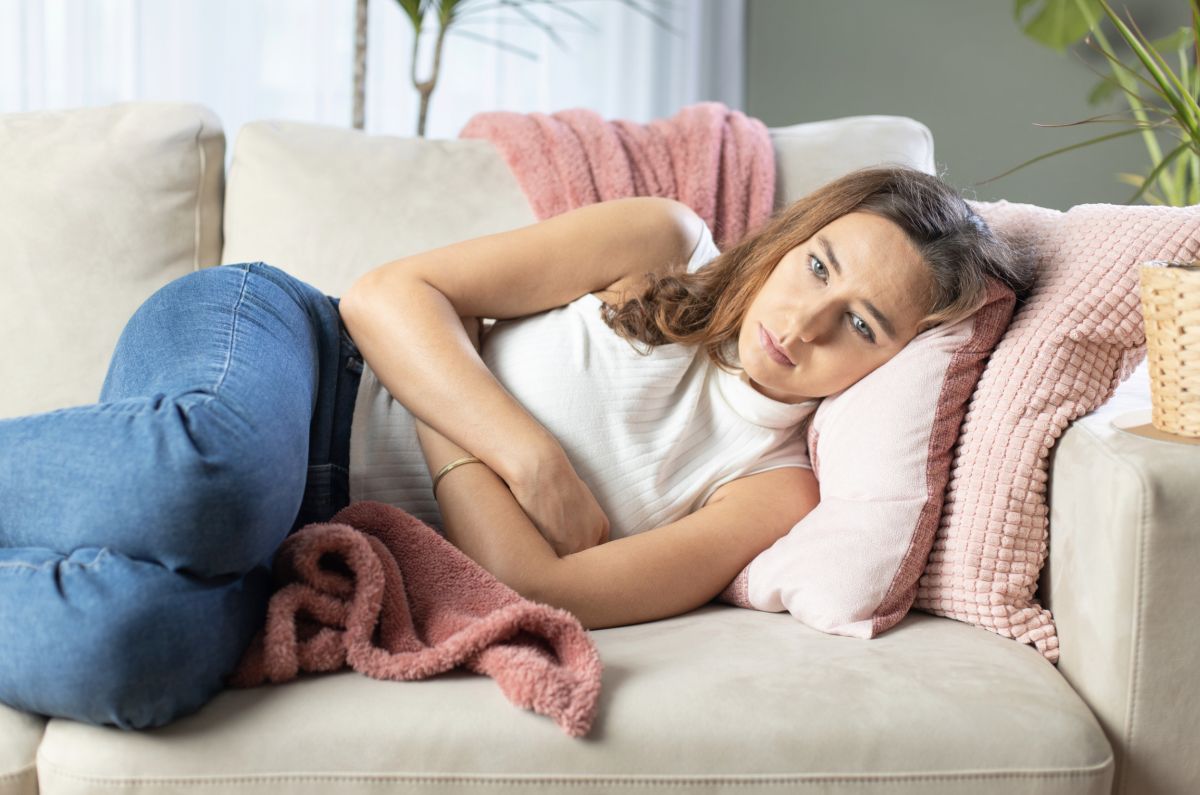
Bloating, mood swings, breakouts, sugar cravings, and fatigue in the days before a period are common among teenage girls. But many recommendations for premenstrual syndrome (PMS) are based mainly on research involving adult women rather than teenagers. So what does the evidence actually tell us about PMS in teens? Which approaches may be worth trying, and where is extra caution needed, especially with supplements and doses?
How common is PMS among teenage girls?
Premenstrual syndrome (PMS) is common among teenagers and may begin during the years after the first period as menstrual cycles become more established. Common symptoms include bloating, breast tenderness, headaches, acne, mood swings, mild anxiety, fatigue, and changes in appetite or food cravings.
In a smaller number of teens, mood symptoms can become severe enough to interfere with school, relationships, or daily life. This may suggest premenstrual dysphoric disorder (PMDD), which requires medical evaluation.
Why is most PMS research based on adult women?
This is an important limitation of the evidence. Most studies looking at lifestyle changes, supplements, and medications for PMS have been conducted in adult women. Research specifically involving teenagers is much more limited.
This does not mean these approaches cannot help teens. It means that results from adult studies should not automatically be applied to younger people, particularly when supplements or specific doses are involved. Age, growth, nutritional needs, and other physiological differences all matter.
Sleep may be especially important for teens with PMS
Sleep is one of the clearest lifestyle factors linked to PMS symptoms in teenagers. Studies involving high school girls have found that shorter sleep and greater sleep disturbance are associated with more severe premenstrual symptoms.
This may be especially relevant during adolescence because many teens already get too little sleep because of school schedules, studying, social activities, and screen use. Improving sleep duration and maintaining a more regular sleep schedule may therefore be one of the simplest places to start.
For teens who regularly struggle with sleep, understanding the evidence around magnesium for sleep and valerian root and sleep can help put these popular options into context. However, sleep supplements or herbal products should not be routinely given to a minor without discussing them with a healthcare professional.
Does exercise help with PMS symptoms?
It may. A systematic review and meta-analysis of 15 randomized controlled trials found that exercise was associated with improvements in overall PMS symptoms, including physical, psychological, and behavioral symptoms.
The studies included activities such as aerobic exercise, yoga, Pilates, and resistance training, often performed about three times per week for 8–12 weeks.
However, the review also found that most of the included studies had a high risk of bias. This means the results are promising, but they are not strong enough to say with certainty how much exercise improves PMS.
Even so, regular physical activity is a sensible, generally low-risk habit for most teenagers and provides benefits beyond the menstrual cycle.
What about calcium?
Calcium is one of the better-studied nutrients in relation to PMS in adult women. Some studies have found improvements in physical and mood-related symptoms when calcium intake is adequate.
Calcium is especially important during the teenage years for another reason: adolescence is a major period for building bone mass. The recommended daily intake for ages 9–18 is about 1,300 mg of calcium.
For this reason, teens should first focus on getting enough calcium through foods such as milk, yogurt, cheese, fortified foods, and other calcium-rich options. Adequate calcium supports long-term bone health and may also be relevant to PMS symptoms.
What about magnesium?
Magnesium is involved in normal nerve and muscle function and many processes related to the nervous system. These roles help explain why researchers have studied magnesium in relation to stress, mood changes, and PMS.
However, the evidence for magnesium and PMS is smaller and less consistent than the evidence available for some other approaches, and most studies were not designed specifically for teenagers.
The connection between magnesium, the nervous system, stress, and mood provides useful context for understanding why this mineral is frequently discussed in relation to premenstrual symptoms.
For teenagers, food sources such as nuts, seeds, legumes, whole grains, and leafy green vegetables are a good place to start. A separate magnesium supplement should be considered more carefully, particularly if other supplements or medications are already being used.
Vitamin B6 in teens: why dose matters
Vitamin B6 has also been studied in relation to PMS and mood. However, dose deserves particular attention in teenagers because safe intake limits differ by age.
Under US guidance, the upper intake level is 60 mg per day for ages 9–13 and 80 mg per day for ages 14–18, compared with 100 mg per day for adults. European guidance is more conservative.
This means a supplement dose designed for an adult woman should not automatically be given to a teenager. Long-term intake of excessive amounts of vitamin B6 can also lead to nerve problems.
The vitamin B6 guide covering benefits, deficiency, dosage, and safety gives broader context, but an appropriate supplement dose for a teenager should be discussed with a healthcare professional.
Can school stress and screen time make PMS feel worse?
There is limited research looking specifically at academic stress or screen time as direct causes of worse PMS in teenagers. However, stress can affect mood and well-being in general, while heavy screen use before bed may interfere with sleep.
This means several factors may overlap before a period: hormonal changes, school pressure, insufficient sleep, and everyday stress. Together, they may make tiredness, irritability, or mood changes feel more noticeable.
A teenager does not need to stop normal school or social activities during this time. Instead, allowing enough time for sleep, avoiding unnecessary late nights, and including short periods of rest may be practical ways to reduce some of the additional strain.
What is the difference between period pain and PMS?
PMS and period pain are often confused, but they are not exactly the same.
PMS usually begins several days before bleeding and may include bloating, mood changes, breast tenderness, fatigue, food cravings, and headaches.
Period pain, also called dysmenorrhea, usually begins shortly before or around the start of bleeding. It often causes cramping in the lower abdomen and may also affect the lower back or thighs.
Both can occur together. Understanding how the menstrual cycle can affect mood, cravings, and period pain can make it easier to recognize which symptoms happen before the period and which appear once bleeding begins.
Severe pain that repeatedly prevents a teenager from attending school or completing normal activities should not simply be accepted as normal period pain. It deserves medical evaluation to check for other possible causes.
Does diet and general lifestyle matter?
Some people find that reducing caffeine, very salty foods, or large amounts of refined sugar before a period helps with bloating or energy swings. However, direct evidence for these strategies specifically in teenagers is limited.
What matters more is maintaining a generally balanced eating pattern with regular meals. Going for long periods without eating can worsen tiredness, irritability, and difficulty concentrating, regardless of where someone is in her menstrual cycle.
When sugar cravings appear, a snack that combines carbohydrates with protein may be more satisfying than sweets alone. Examples include yogurt with fruit or whole-grain bread with cheese.
When are symptoms more than “just PMS”?
Mild PMS symptoms are common, but some symptoms deserve medical attention.
If mood changes are severe enough to repeatedly interfere with school, relationships, or normal daily activities, a healthcare professional may need to assess whether the symptoms are consistent with PMDD or another condition.
Very severe or persistent period pain also deserves evaluation, especially when it does not improve with usual measures. Understanding the dose and timing of common period pain relievers can help with safer use, but persistent severe pain should be investigated rather than repeatedly managed with painkillers alone.
Practical tips for teens and their parents
A simple approach is to start with low-risk lifestyle habits before considering supplements:
- Aim for enough sleep and keep sleep and wake times as regular as possible.
- Stay physically active throughout the month.
- Eat regular, balanced meals.
- Include dietary sources of calcium, magnesium, and other important nutrients.
- Reduce late-night screen use if it is affecting sleep.
- Be mindful of excessive caffeine, especially later in the day.
- Track symptoms and their timing over several menstrual cycles.
- Do not automatically use supplement doses designed for adults.
Tracking symptoms can be especially useful. If the same symptoms repeatedly appear during the days before a period and improve after menstruation begins, the pattern becomes easier to identify. If symptoms are severe, unpredictable, or do not follow this pattern, medical evaluation may help identify another cause.
Frequently Asked Questions
Was most PMS research conducted in teenagers?
No. Most studies of PMS treatments, including supplements, exercise, and medications, have involved adult women. Research specifically involving adolescents remains limited.
What lifestyle factor is especially important for teens?
Sleep deserves particular attention. Shorter sleep and greater sleep disturbance have been associated with more severe PMS symptoms in studies involving teenage girls.
Does exercise help with PMS?
It may. Research suggests that regular exercise may improve physical and emotional PMS symptoms, although the quality of the available evidence is limited.
Do teenagers need more calcium than adults?
Girls aged 9–18 need about 1,300 mg of calcium per day because adolescence is an important period for building bone mass.
Can teenagers take the same vitamin B6 dose as adults?
Not necessarily. Safe upper limits vary by age, so an adult supplement dose should not automatically be used for a teenager.
Do teens need supplements for PMS?
Not necessarily. Sleep, regular physical activity, and a balanced diet are reasonable first steps. If a supplement is being considered, the need and appropriate dose should be reviewed first.
When should a teenager see a doctor about period symptoms?
Medical evaluation is appropriate when symptoms repeatedly interfere with school or daily life, when pain is severe or persistent, or when mood changes become intense or difficult to manage.
References
- Journal of Clinical Medicine (MDPI) — Premenstrual Disorders in Adolescents: An Interdisciplinary Perspective
- BJGP Open — Exercise for premenstrual syndrome: a systematic review and meta-analysis of randomised controlled trials
- NIH Office of Dietary Supplements — Vitamin B6, Health Professional Fact Sheet
- NIH Office of Dietary Supplements — Calcium, Health Professional Fact Sheet
This article is for educational purposes only and does not replace medical advice. Before giving a teenager a dietary supplement, especially at higher doses or alongside other supplements or medications, discuss it with a pediatrician, family doctor, or pharmacist.