The Importance of Regular Testing for Sexually Transmitted Diseases: The Key to Sexual Health
STI Prevention: How to Protect Your Health and Your Partner’s Health
STI prevention is an essential part of sexual and reproductive health. Sexually transmitted infections can spread through vaginal, anal, or oral sexual contact, and many infections may not cause obvious symptoms at first. This is why regular testing and safer sex practices matter even when you feel healthy.
Prevention is not about fear or stigma. It is about awareness, responsibility, and informed choices. Using condoms correctly, getting regular sexual health screenings, receiving recommended vaccines, and communicating clearly with your partner can all help reduce the risk of infection and protect long-term health.
Key Takeaways
- Many STIs can be present without symptoms, so testing is important even when there are no visible signs.
- Condoms reduce the risk of many STIs, but they do not protect against every infection 100%.
- Regular STI testing helps detect infections early and prevent complications or transmission to partners.
- HPV and hepatitis B vaccines are important tools for preventing infections that may cause serious long-term complications.
- PrEP and PEP are important HIV prevention tools in specific situations and require medical guidance.
- Unusual discharge, burning during urination, sores, warts, pelvic pain, or unusual bleeding should prompt medical testing.
What Are Sexually Transmitted Infections?
Sexually transmitted infections, or STIs, are infections that spread mainly from one person to another during sexual contact. Some infections can also spread through blood exposure, shared needles, or from mother to baby during pregnancy, birth, or breastfeeding, depending on the infection.
Common STIs include chlamydia, gonorrhea, syphilis, human papillomavirus, genital herpes, HIV, hepatitis B, and trichomoniasis. Some are curable with the right treatment, while others require long-term management or can be prevented through vaccination.
To understand common symptoms in more detail, read Vitaminati’s guide on sexually transmitted infections and their common symptoms.
Why Is STI Prevention Important?
STI prevention helps reduce the risk of infection, but it also protects against complications that may appear later if an infection is left untreated. For example, untreated chlamydia or gonorrhea may lead to pelvic inflammatory disease and fertility problems. HPV may cause cervical cell changes, while HIV can be controlled effectively when diagnosed and treated early.
Prevention also protects partners and reduces transmission in the wider community. Sexual health screening is part of preventive healthcare, not a sign of blame or judgment. For a broader look at screening, read Vitaminati’s article on why Pap smears and sexual health screenings matter.
How to Prevent Sexually Transmitted Infections
1. Use Male or Female Condoms Correctly
Condoms are one of the most practical tools for reducing the risk of many STIs, especially HIV, chlamydia, gonorrhea, and trichomoniasis. They work as a barrier that reduces contact with body fluids and mucous membranes.
- Use a new condom every time you have sex.
- Check the expiration date before use.
- Store condoms away from heat, friction, and direct sunlight.
- Use compatible lubricants to reduce the risk of tearing.
- Do not use two condoms at the same time, because friction can increase the risk of breakage.
It is important to know that most birth control methods prevent pregnancy only and do not protect against STIs. Condoms are the main contraceptive method that also helps reduce STI risk. If you are comparing protection options, review Vitaminati’s article on contraception and choosing the right method for effective protection.
2. Get Regular Sexual Health Screenings
Regular testing is one of the strongest STI prevention habits because many infections are silent. A person may feel well but still have an infection that can be treated or managed if detected early.
- Get tested when you have a new partner.
- Get tested after sex without a condom or if a condom breaks.
- Get tested if a partner is diagnosed with an STI.
- People with repeated exposure or multiple partners may need more frequent testing based on medical advice.
- Testing before or during pregnancy may be recommended by a healthcare provider.
For women’s health and cervical screening, read Vitaminati’s article on Pap smear tests and regular checkups for sexual health. For wider prevention habits, Vitaminati’s guide to health checkups and preventive care explains why early monitoring matters.
3. Get Vaccinated Against HPV and Hepatitis B
Some sexually transmitted infections can be prevented with vaccines. HPV vaccination and hepatitis B vaccination are two of the most important preventive tools available.
- HPV vaccine: Helps protect against HPV types linked with cervical cancer, some other cancers, and genital warts.
- Hepatitis B vaccine: Helps prevent a viral infection that can become chronic and increase the risk of liver cirrhosis and liver cancer.
Vaccination is most effective when given before exposure, but some adults may still benefit depending on age, health status, and prior vaccination history. Ask your healthcare provider which vaccines are appropriate for you.
4. Know Your HIV Status and Use PrEP or PEP When Needed
HIV prevention is an important part of STI prevention. HIV risk can be reduced through condoms, testing, not sharing needles, and using PrEP or PEP when appropriate.
- PrEP: A preventive medicine for people without HIV who may be at higher risk. It requires medical prescription and follow-up.
- PEP: Emergency treatment after possible HIV exposure. It must be started as soon as possible and no later than 72 hours after exposure.
- ART: A person living with HIV who takes treatment and maintains an undetectable viral load does not transmit HIV sexually.
For a deeper explanation, read Vitaminati’s article on HIV and AIDS prevention, symptoms, and treatment options.
5. Avoid Sharing Needles or Sharp Tools
Sharing needles, syringes, or tools that may contain blood increases the risk of HIV, hepatitis B, hepatitis C, and other blood-borne infections. Always use sterile equipment and dispose of sharp tools safely.
This also applies to non-medical procedures such as tattoos or piercings if sterile tools and safe practices are not used.
6. Reduce Risk Through Clear Partner Communication
The risk of STIs increases when there are multiple partners, no recent testing, or sex without protection. This is not about judging people. It is about understanding risk and choosing the right prevention tools.
- Discuss testing before sex with a new partner.
- Agree on protection methods.
- Do not assume that no symptoms means no infection.
- Avoid sex if there are sores, blisters, unusual discharge, or genital irritation until testing is done.
If myths or fear make these conversations difficult, read Vitaminati’s article on myths and misconceptions about sexually transmitted infections.
7. Avoid Sex Under the Influence of Alcohol or Drugs
Alcohol or drug use may affect judgment, reduce condom use, or lead to decisions that do not match your usual boundaries. Reducing these situations is a practical part of STI prevention.
When Should You See a Doctor or Get Tested?
See a healthcare provider or get STI testing after possible exposure or when unusual symptoms appear. Do not use leftover antibiotics or random treatments without diagnosis.
Get Medical Advice If You Notice:
- Itching or burning in the genital area.
- Unusual vaginal or penile discharge.
- Pain or burning during urination.
- Sores, blisters, or warts on the genitals, mouth, or anus.
- Pain during sex.
- Unusual bleeding between periods or after sex.
- Lower abdominal or pelvic pain.
- Pain or swelling in the testicles.
- Possible HIV exposure within the past 72 hours.
Some symptoms, such as burning during urination, may overlap with other conditions like urinary tract infections. Vitaminati’s article on urinary tract infections, symptoms, causes, and prevention can help explain why testing matters when symptoms overlap.
STI Prevention During Pregnancy or Pregnancy Planning
Sexual health screening before or during pregnancy matters because some infections can affect pregnancy or pass to the baby during pregnancy, birth, or breastfeeding. Depending on risk and medical guidance, testing may include HIV, syphilis, hepatitis B, chlamydia, or gonorrhea.
Early detection and treatment can protect fertility, pregnancy health, and the baby’s health. If you are planning pregnancy, sexual health screening should be part of a wider preventive care plan.
How Are STIs Tested?
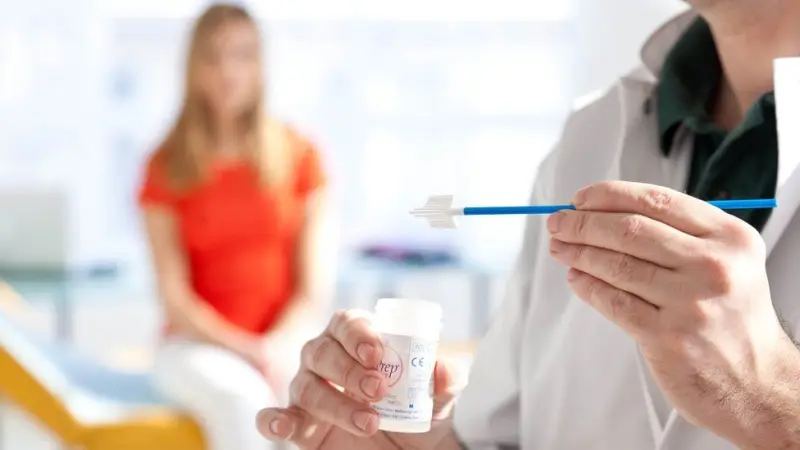
STI testing depends on the infection being checked and the type of exposure. A healthcare provider may recommend a urine sample, a swab from the vagina, cervix, penis, rectum, or throat, or a blood test for infections such as HIV, syphilis, or hepatitis B.
Not every test detects every infection. Tell your healthcare provider about symptoms and exposure type so they can choose the right tests. Some tests may need to be repeated if the exposure was very recent.
Breaking the Stigma Around Sexual Health Testing
Stigma still prevents many people from asking for testing or treatment. However, sexual health testing is not a sign of irresponsibility. It is a normal and responsible part of healthcare.
- Sexual health testing is part of routine preventive care.
- Many STIs are easy to treat when detected early.
- Delaying care because of shame may increase complications and partner transmission.
- Education helps reduce fear and misinformation.
Open, respectful conversations about testing and prevention help protect both partners. If misinformation is a barrier, Vitaminati’s article on common STI myths can help clarify the facts.
Common Mistakes That Reduce STI Protection
- Using condoms only sometimes: Protection is better when condoms are used correctly every time.
- Relying on symptoms: Many STIs have no symptoms.
- Taking antibiotics without testing: The wrong treatment may fail and may contribute to resistance.
- Ignoring partner treatment: This can lead to reinfection.
- Skipping vaccines: HPV and hepatitis B vaccines can prevent important long-term complications.
- Assuming contraception prevents STIs: Most birth control methods prevent pregnancy only. Condoms reduce STI risk.
FAQs About STI Prevention
1. What is the best way to prevent sexually transmitted infections?
The best protection combines correct condom use, regular testing, vaccination against HPV and hepatitis B when appropriate, HIV prevention tools when needed, and clear communication with partners.
2. Can I have an STI without symptoms?
Yes. Many STIs, including chlamydia, HPV, and HIV, may cause no symptoms at first. Testing is important after possible exposure.
3. Do condoms protect against all STIs?
Condoms reduce the risk of many STIs, but they do not provide complete protection against infections spread through skin-to-skin contact, such as HPV or herpes, if infected areas are not covered.
4. When should I get STI testing?
Get tested after sex without a condom, with a new partner, if symptoms appear, if a partner is diagnosed with an STI, or as advised by a healthcare provider if you have ongoing risk.
5. Is the HPV vaccine necessary?
The HPV vaccine helps protect against HPV types linked with cervical cancer, some other cancers, and genital warts. Ask your healthcare provider about the recommended age and schedule.
6. Does the hepatitis B vaccine protect against a sexually transmitted infection?
Yes. Hepatitis B can spread sexually or through blood, and vaccination is an effective way to prevent it.
7. Do birth control methods prevent STIs?
Most birth control methods prevent pregnancy only and do not protect against STIs. Condoms are the main method that helps reduce STI risk.
8. What should I do after possible HIV exposure?
If exposure happened within the past 72 hours, seek urgent medical care and ask about PEP. Do not wait for symptoms.
9. Should my partner be tested or treated too?
In many cases, yes. Partner testing or treatment helps prevent reinfection and further spread.
10. Can STIs be completely prevented?
Risk can be greatly reduced, but no single method prevents every STI 100%. Combining testing, condoms, vaccines, HIV prevention tools, and avoiding shared needles offers stronger protection.
Conclusion
STI prevention starts with awareness, but it does not stop there. Correct condom use, regular testing, recommended vaccines, avoiding shared needles, and honest partner communication are practical steps that protect sexual health.
Do not wait for symptoms, because many STIs can be silent. Early testing and proper treatment help prevent complications such as pelvic inflammatory disease, infertility, partner transmission, and pregnancy-related risks. Sexual health is a normal part of overall health, and prevention is a responsible choice.
Medical disclaimer: This article is for general educational purposes only and does not replace medical advice. If you have symptoms, think you were exposed to an STI, or had possible HIV exposure within the past 72 hours, seek medical evaluation immediately.