Understanding Lung Cancer
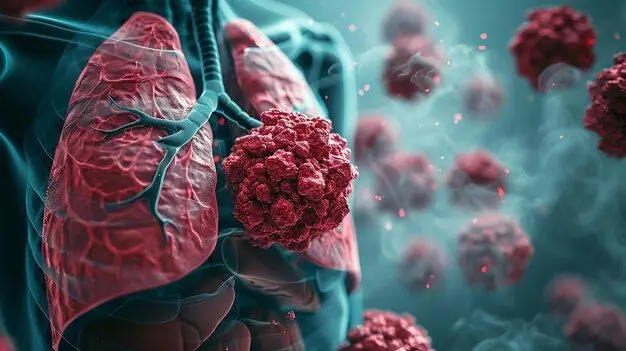
Lung Cancer: Symptoms, Causes, Risk Factors, and Prevention
Lung cancer is a cancer that starts in the tissues of the lungs, and it may not cause clear symptoms in its early stages. This is why awareness of risk factors, persistent respiratory symptoms, and appropriate screening can be important, especially for people with a history of smoking or other exposures.
Smoking is the strongest known risk factor for lung cancer, but lung cancer can also affect people who have never smoked. Secondhand smoke, radon gas, air pollution, occupational exposures, and family history may also contribute to risk. This article explains the symptoms, causes, prevention strategies, screening options, and the role of nutrition and supplements in a medically cautious way.
Key Takeaways
- Smoking is the leading risk factor for lung cancer, but non-smokers can also develop it.
- Possible symptoms include a persistent cough, coughing blood, shortness of breath, chest pain, hoarseness, unexplained weight loss, and repeated chest infections.
- The strongest prevention steps are not smoking, quitting smoking, avoiding secondhand smoke, reducing radon exposure, and following workplace safety precautions.
- Low-dose CT screening may be recommended for some high-risk adults, depending on age, smoking history, and clinical guidelines.
- No herb or supplement has been proven to prevent or treat lung cancer, and some supplements may be harmful for smokers.
What Is Lung Cancer?
Lung cancer develops when abnormal cells in the lung grow uncontrollably. Over time, these cells may form a tumor and can spread to other parts of the body if not detected and managed.
There are two main categories of lung cancer:
- Non-small cell lung cancer: This is the most common type and includes several subtypes.
- Small cell lung cancer: This type is strongly linked with smoking and often grows and spreads more quickly.
Lung cancer is different from chronic lung diseases such as COPD, but the two can overlap in risk factors, especially smoking. If you want to understand long-term lung damage more broadly, you can also read Vitaminati’s guide to COPD causes and lung health.
What Causes Lung Cancer?
Lung cancer does not have one single cause. Instead, several risk factors can increase the chance of developing it. Having a risk factor does not mean a person will definitely develop lung cancer, and having no obvious risk factor does not mean the risk is zero.
1. Smoking
Smoking is the most important known risk factor for lung cancer. The risk increases with the number of cigarettes smoked and the number of years a person has smoked. Cigars and pipes are not safe alternatives. Quitting smoking reduces risk over time, even for people who smoked for many years.
2. Secondhand Smoke
Secondhand smoke can also increase lung cancer risk. Creating smoke-free homes, cars, and workspaces is an important protective step for families, children, pregnant women, and people with respiratory conditions.
3. Radon Gas
Radon is a naturally occurring radioactive gas that can build up in some homes. It cannot be seen or smelled, so testing is the only way to know whether levels are high. If radon levels are elevated, mitigation steps can help reduce exposure.
4. Occupational Carcinogens
Some workplaces may involve exposure to asbestos, silica, diesel exhaust, arsenic, chromium, nickel, or other substances linked with lung cancer risk. People in higher-risk occupations should follow safety rules, use protective equipment, and attend recommended health checks.
5. Air Pollution
Long-term exposure to polluted air may contribute to lung cancer risk. While not all pollution exposure can be controlled, limiting outdoor activity during high-pollution periods and improving indoor ventilation may help reduce exposure.
6. Family History and Previous Lung Disease
A family history of lung cancer may increase risk for some people. Certain chronic lung diseases and previous radiation therapy to the chest may also require closer medical evaluation, depending on the individual case.
What Are the Symptoms of Lung Cancer?
Early lung cancer may cause no symptoms. When symptoms appear, they can resemble common respiratory problems such as bronchitis, pneumonia, asthma, or COPD. Persistent, worsening, or unusual symptoms should be checked by a healthcare professional.
- A persistent cough that does not improve or gets worse.
- Coughing blood or rust-colored sputum.
- Shortness of breath or new breathing difficulty.
- Chest pain that worsens with deep breathing, coughing, or laughing.
- Hoarseness that does not go away.
- Unexplained weight loss.
- Loss of appetite or ongoing fatigue.
- Repeated infections such as bronchitis or pneumonia.
- New wheezing.
These symptoms do not automatically mean cancer, but they should not be ignored, especially in current or former smokers or people with radon, asbestos, or other occupational exposures.
When Should You See a Doctor?
See a doctor if you have a cough that lasts for several weeks, coughing blood, new shortness of breath, unexplained chest pain, persistent hoarseness, repeated chest infections, or unexplained weight loss.
A doctor may recommend a physical exam, chest X-ray, CT scan, sputum testing, bronchoscopy, biopsy, or other tests depending on the symptoms and risk profile. Lung cancer cannot be diagnosed from symptoms alone.
Is There a Screening Test for Lung Cancer?
Yes. Low-dose computed tomography, often called low-dose CT or LDCT, is the main screening test used for lung cancer in people at high risk. It is not recommended for everyone because screening can also lead to false positives, additional testing, anxiety, and radiation exposure.
Some guidelines recommend yearly LDCT screening for adults between 50 and 80 years old who currently smoke or previously smoked and have a significant smoking history. Eligibility should be discussed with a healthcare professional based on age, smoking history, current health, and local screening recommendations.
How Can You Reduce the Risk of Lung Cancer?
1. Do Not Smoke, or Start a Quit Plan
The most powerful step for lowering lung cancer risk is not smoking. If you already smoke, quitting can reduce risk over time and support heart, lung, and blood vessel health. Some people benefit from nicotine replacement, prescription medications, behavioral counseling, or structured quit programs.
2. Avoid Secondhand Smoke
Ask for smoke-free homes, cars, and indoor spaces. Secondhand smoke is not harmless, and reducing exposure can protect both adults and children.
3. Test for Radon When Appropriate
If you live in an area where radon is common, or in a home with a basement or poor ventilation, ask about radon testing. If levels are high, professional mitigation can help lower exposure.
4. Use Workplace Protection
If your work involves dust, fumes, asbestos, diesel exhaust, or industrial chemicals, follow safety instructions carefully. Use protective equipment and attend occupational health checks when offered.
5. Support Overall Health With Food and Activity
A healthy diet and regular physical activity cannot guarantee cancer prevention, but they support immune function, metabolic health, weight management, and general wellbeing. A practical approach includes vegetables, fruits, whole grains, healthy proteins, and less ultra-processed food.
For nutrition context, Vitaminati’s article on nutrition and cancer-risk awareness can help explain why food patterns matter, while still avoiding unrealistic “anti-cancer food” claims.
Can Herbs or Foods Prevent Lung Cancer?
Many online claims suggest that turmeric, green tea, ginger, garlic, or other foods can “fight” cancer. These foods may contain antioxidant or anti-inflammatory compounds, and they can be part of a healthy diet, but this does not mean they prevent or treat lung cancer in humans.
Food can support general health, but it should not replace smoking cessation, medical screening, diagnosis, or treatment.
Turmeric
Turmeric contains curcumin, a compound studied in laboratory and clinical research. However, current evidence is not strong enough to claim that turmeric or curcumin supplements prevent or treat lung cancer. Some products may also cause digestive side effects or interact with medications.
Green Tea
Green tea as a beverage can fit into a balanced diet. However, concentrated green tea extracts are not suitable for everyone and have been linked with liver concerns in some cases. They should not be used for cancer prevention without professional guidance.
Ginger and Garlic
Ginger and garlic can be used as part of daily cooking, but they are not proven lung cancer prevention tools. They may also interact with blood-thinning medications or irritate the digestive system in some people.
Do Supplements Help Prevent Lung Cancer?
Supplements are not recommended as a general strategy to prevent lung cancer unless there is a confirmed deficiency or a specific medical reason. Supplements may help correct nutrient gaps, but they do not replace the main prevention steps: avoiding tobacco smoke, reducing radon exposure, following workplace safety, and seeking screening when appropriate.
Vitamin D
Vitamin D is important for bone health and several immune-related functions, but vitamin D supplements are not a proven method for preventing lung cancer. If deficiency is suspected, a blood test can help guide safe supplementation.
To understand possible deficiency signs, read Vitaminati’s guide to vitamin D deficiency symptoms.
Vitamin C and Antioxidants
Vitamin C and antioxidants from food are part of a healthy diet. However, high-dose antioxidant supplements should not be assumed to provide stronger cancer protection. In many cases, getting antioxidants from fruits and vegetables is a safer and more balanced approach.
You can learn more about food-based intake in Vitaminati’s guide to natural sources of vitamin C.
Selenium
Selenium is an essential mineral, but too much selenium can be harmful. It should not be used in high doses for cancer prevention. For safe intake context, review Vitaminati’s guide to selenium benefits, uses, and limits.
Zinc
Zinc supports normal immune function and wound healing, but it is not recommended as a lung cancer prevention supplement. High doses can cause stomach upset and may interfere with copper balance. For safer use, read Vitaminati’s comprehensive zinc guide.
Important Warning for Smokers
People who smoke or have a heavy smoking history should be cautious with beta-carotene supplements. Pharmacologic doses of beta-carotene have been linked with increased lung cancer incidence and mortality in high-intensity smokers. Do not use high-dose beta-carotene supplements unless a healthcare professional recommends them for a specific reason.
Lung Cancer and Other Cancers: Why Risk Factors Differ
Different cancers have different risk factors. Lung cancer is strongly linked to inhaled exposures such as tobacco smoke, radon, occupational carcinogens, and air pollution. Other cancers may be more strongly influenced by age, hormones, infections, genetics, diet patterns, or bowel health.
For wider cancer education, you may also read Vitaminati’s articles on colorectal cancer risk factors and nutrition for breast cancer prevention.
Practical Tips to Support Lung Health
- Do not smoke, and seek support if you need help quitting.
- Keep your home and car smoke-free.
- Ask about radon testing if you live in a higher-risk area or an older home.
- Use protective equipment if your work involves dust, fumes, asbestos, or industrial chemicals.
- Exercise at a level that is safe for your health condition.
- Eat a balanced diet rich in vegetables, fruits, whole grains, and quality protein.
- Do not use supplements as a substitute for cancer prevention, screening, or treatment.
- Seek medical advice for persistent cough, blood in sputum, new shortness of breath, chest pain, or unexplained weight loss.
FAQs About Lung Cancer
Can non-smokers get lung cancer?
Yes. Lung cancer can occur in people who have never smoked. Possible risk factors include secondhand smoke, radon, air pollution, occupational exposures, family history, and certain chronic lung diseases.
What are the early symptoms of lung cancer?
Early lung cancer may cause no symptoms. When symptoms appear, they may include persistent cough, shortness of breath, chest pain, coughing blood, hoarseness, fatigue, or unexplained weight loss.
Does a persistent cough always mean lung cancer?
No. A persistent cough can be caused by infection, asthma, allergies, reflux, COPD, or other conditions. However, a cough that lasts for weeks or is accompanied by blood should be checked by a doctor.
Can lung cancer be prevented?
Not all cases can be prevented, but risk can be reduced by not smoking, quitting smoking, avoiding secondhand smoke, testing for radon when needed, reducing occupational exposures, and following screening guidance for high-risk people.
Does vitamin D prevent lung cancer?
No. Vitamin D is important for health, but supplements are not proven to prevent lung cancer. They may be used when deficiency is confirmed or suspected under professional guidance.
Do turmeric or green tea treat lung cancer?
No. Turmeric and green tea can be part of a healthy diet, but they do not treat lung cancer and should not replace medical care.
Who should consider lung cancer screening?
Low-dose CT screening may be recommended for some adults with a significant smoking history, often within a specific age range. Eligibility should be discussed with a healthcare professional.
When should I seek medical help?
Seek medical advice if you have coughing blood, a persistent cough, new shortness of breath, unexplained chest pain, long-lasting hoarseness, repeated chest infections, or unexplained weight loss.
Conclusion
Understanding lung cancer starts with understanding the real risk factors: smoking, secondhand smoke, radon, air pollution, occupational exposures, and certain health or family-history factors. Prevention should focus on reducing these risks, not relying on herbs or supplements.
Good nutrition, physical activity, and maintaining overall health can support the body, but they cannot replace medical evaluation, screening, or treatment. If you smoke now, smoked in the past, or have ongoing respiratory symptoms, speak with a healthcare professional about your personal risk and whether screening is appropriate.
Medical disclaimer: This article is for general educational purposes only and is not a substitute for medical diagnosis or treatment. If you have persistent respiratory symptoms, a long smoking history, or occupational exposure to carcinogens, consult a qualified healthcare professional.
Scientific References
- World Health Organization: Lung Cancer Fact Sheet
- CDC: Lung Cancer Risk Factors
- CDC: Lung Cancer Screening
- American Cancer Society: Signs and Symptoms of Lung Cancer
- American Cancer Society: Lung Cancer Screening
- National Cancer Institute: Lung Cancer Prevention
- National Cancer Institute: Vitamin D and Cancer
- NCCIH: Cancer and Complementary Health Approaches