Why Are You Always Tired in Summer? 7 Hidden Causes Beyond Heat
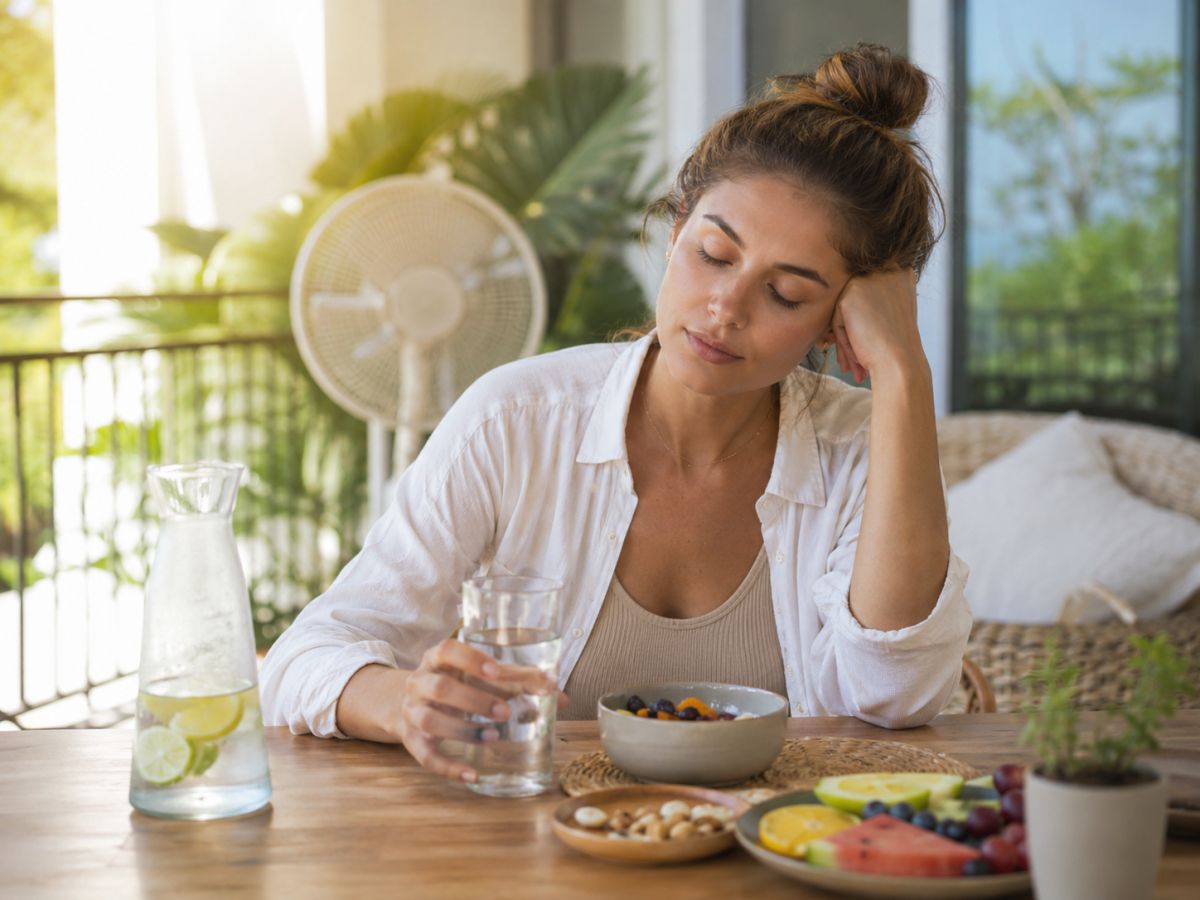
Many people feel noticeably low in energy during the summer and assume that hot weather is the only reason. In reality, summer fatigue can result from several overlapping factors, including dehydration, electrolyte loss, poor sleep, appetite changes, heat exposure, and certain nutrient deficiencies.
This does not mean that every episode of tiredness points to a serious health problem. However, understanding the possible causes can help you recognize daily habits that may be affecting your energy and know when professional medical advice may be needed.
In this article, we explore seven possible reasons you may feel tired in summer, along with practical ways to support your energy safely.
Key Takeaways
- Summer fatigue is not caused by heat alone; several body systems may be involved.
- Dehydration is one of the most common contributors to low energy during hot weather.
- Sweating can lead to fluid and electrolyte losses, especially during outdoor activity.
- Hot nights may reduce sleep quality and worsen daytime fatigue.
- Low iron, magnesium deficiency, or vitamin D deficiency may contribute to tiredness in some people.
- Severe, persistent, or unexplained fatigue should be evaluated by a healthcare professional.
1. Dehydration: One of the Most Common Causes of Summer Fatigue
The body loses more fluid during summer through sweating, especially when you spend time outdoors, exercise, or remain in poorly ventilated environments. If these fluids are not replaced, dehydration can develop gradually.
Even mild dehydration may affect energy, concentration, mood, and the ability to perform daily activities. A person may feel tired, dizzy, or headachy without realizing that low fluid intake may be part of the problem. Understanding the importance of water for the body can make hydration easier to treat as a daily health priority.
Common signs of dehydration may include:
- Strong thirst
- Dry mouth
- Headache
- Dizziness or light-headedness
- Less frequent urination
- Dark-colored urine
- Fatigue
- Poor concentration
Drinking water regularly throughout the day, rather than waiting until you feel very thirsty, may help reduce the risk of dehydration. Fluid needs may increase during heavy sweating, exercise, or direct sun exposure.
2. Sweating Can Lead to Electrolyte Loss
Sweat does not contain water only. It also contains electrolytes such as sodium, chloride, potassium, and smaller amounts of minerals such as magnesium. These nutrients help support fluid balance, nerve signaling, and normal muscle function.
During prolonged sweating, some people may feel unusually weak, tired, or prone to muscle cramps, especially if food and fluid intake are not sufficient. This may happen in people who exercise in hot weather, work outdoors, or spend long hours in the sun.
Most people do not need electrolyte drinks every day. In many cases, balanced meals and regular fluids are enough. However, during prolonged intense sweating, the body may need better fluid and electrolyte replacement. You can also learn more about dehydration, hydration, and electrolyte balance in situations where the body may go for long periods without enough fluid intake.
People with kidney disease, heart disease, high blood pressure, or fluid restrictions should be cautious with high-sodium drinks or electrolyte supplements and should consult a healthcare professional when needed.
3. Hot Nights Can Disrupt Sleep Quality
Good sleep is essential for energy, focus, mood, appetite regulation, and recovery. During summer, higher nighttime temperatures may make it harder for the body to relax and enter deeper sleep stages.
The body usually needs a gradual drop in internal temperature to support restful sleep. Hot nights may therefore make sleep more difficult, especially when the room is poorly ventilated, bedding is heavy, or caffeine is consumed late in the day.
Poor sleep may lead to:
- Feeling tired when waking up
- Daytime sleepiness
- Poor focus and attention
- Irritability or mood changes
- Higher dependence on coffee or energy drinks
Keeping the bedroom well ventilated, using lighter fabrics, avoiding heavy meals before bed, reducing late caffeine, and maintaining a consistent sleep schedule may help support better sleep during summer.
4. Vitamin D Deficiency Can Still Happen Despite Sunshine
It may sound surprising, but vitamin D deficiency can still occur in sunny countries. Sunlight availability does not automatically mean that the body is making enough vitamin D, because production depends on direct and appropriate sun exposure as well as lifestyle factors.
Vitamin D production may be affected by:
- Spending most of the day indoors
- Limited direct sun exposure
- Clothing that covers most of the body
- Regular sunscreen use
- Skin pigmentation
- Low intake of vitamin D-containing foods
Vitamin D is important for bone and muscle health. Deficiency may be linked with muscle weakness or bone pain in some people. Fatigue may also be reported by some individuals, but tiredness alone is not enough to diagnose vitamin D deficiency, because fatigue has many possible causes. For broader background, you can read more about vitamin D benefits for the body and its role in general health.
If fatigue is persistent or occurs with muscle weakness, bone pain, or risk factors for low vitamin D, it may be appropriate to discuss testing with a healthcare professional instead of starting supplements without evaluation.
5. Low Iron Status and Reduced Energy
The body needs iron to make hemoglobin, the protein in red blood cells that carries oxygen to tissues. When iron status is low, the body may not deliver oxygen as efficiently, which can contribute to fatigue and weakness.
Low iron may be more common in certain groups, including women of reproductive age, people with heavy menstrual bleeding, pregnant women, people with low dietary iron intake, and people with absorption problems or blood loss.
Possible signs associated with low iron may include:
- Persistent fatigue
- General weakness
- Dizziness
- Pale skin
- Shortness of breath with exertion
- Reduced exercise tolerance
- Fast heartbeat in some cases
Understanding iron deficiency symptoms in women may help identify when testing is worth discussing, especially if fatigue is frequent, linked to menstrual blood loss, or associated with reduced ability to tolerate physical effort.
Iron deficiency should not be diagnosed based on symptoms alone, because these symptoms can overlap with many other conditions. Blood tests and medical assessment are important before using iron supplements. Taking iron without need may cause side effects and can be unsafe in some situations.
6. Magnesium Deficiency and Its Role in Muscles and Energy
Magnesium is involved in hundreds of biochemical processes in the body, including energy metabolism, muscle function, nerve signaling, and the regulation of muscle contraction and relaxation.
Magnesium deficiency is not necessarily common in all healthy people, but it may occur with low intake over time, digestive conditions that affect absorption, some medications, or health conditions that increase magnesium loss.
Possible symptoms of magnesium deficiency may include:
- Fatigue
- Weakness
- Loss of appetite
- Nausea
- Muscle cramps or contractions
- Numbness or tingling in more severe cases
Good dietary sources of magnesium include nuts, seeds, legumes, whole grains, and leafy green vegetables. Improving diet quality may be a useful first step before considering supplements. For more detail, you can read about magnesium deficiency symptoms and causes.
Magnesium supplements should be used carefully, especially in people with kidney disease or those taking certain medications, because high supplemental doses may cause health problems.
7. Eating Too Little During Hot Weather
Some people naturally lose appetite during hot weather. This can be normal, but problems may occur when lower appetite leads to skipping meals or relying mainly on cold sugary drinks instead of balanced food.
When the body does not receive enough energy, protein, vitamins, and minerals, fatigue and poor concentration may appear, even if fluid intake seems adequate. Understanding the difference between vitamins and minerals can help explain why both groups of nutrients matter for daily body functions.
Summer eating habits that may contribute to low energy include:
- Skipping breakfast or lunch
- Relying on iced coffee or sugary drinks
- Eating too little protein
- Not eating enough fruits and vegetables
- Choosing snacks that are low in nutrients
- Leaving long gaps between meals
Summer meals do not need to be heavy. Light but balanced options may include yogurt with fruit and nuts, eggs with whole-grain bread, lentil salad, grilled chicken with vegetables, or any meal that combines protein, fiber, and healthy fats.
When Should You See a Doctor?
Mild tiredness during hot weather can happen, especially after sun exposure or physical effort. However, severe, persistent, worsening, or unexplained fatigue should not be ignored.
Seek medical advice if fatigue is accompanied by:
- Shortness of breath
- Chest pain
- Fainting
- Confusion
- Very high body temperature
- Sudden or severe weakness
- Unexplained weight loss
- Persistent vomiting
- Very fast heartbeat
It is also important to watch for signs of heat exhaustion and heatstroke after prolonged heat exposure. Heatstroke is a medical emergency and may involve confusion, loss of consciousness, very high body temperature, or rapid worsening of general condition.
How to Support Your Energy During Summer
Some daily habits may help reduce summer-related fatigue, especially when there is no clear underlying medical cause.
- Drink water regularly throughout the day.
- Increase fluids during sweating or physical activity.
- Avoid direct sun exposure during peak heat when possible.
- Eat balanced meals that include protein, fiber, and minerals.
- Keep your sleeping environment cool and well ventilated.
- Reduce caffeine late in the day.
- Do not take iron, magnesium, or vitamin D supplements without a clear need or professional guidance.
- Seek medical evaluation if fatigue is persistent or unusual for you.
Some people also look for herbs or supplements to support focus and energy, such as ginseng. These options should be approached carefully, especially if you have insomnia, anxiety, high blood pressure, or take medications. You can read Vitaminati’s article on ginseng for fatigue and focus to understand what evidence suggests and where caution is needed.
Frequently Asked Questions
1. Why do I feel more tired during summer?
Summer fatigue may be linked to dehydration, electrolyte loss, poor sleep, appetite changes, heat exposure, or nutrient deficiencies such as iron, magnesium, or vitamin D.
2. Can dehydration make you feel tired?
Yes. Dehydration can contribute to fatigue, dizziness, headache, reduced urination, and poor concentration, especially during hot weather or heavy sweating.
3. Can hot weather affect sleep quality?
Yes. High temperatures can make sleep less comfortable, leading to frequent waking and daytime tiredness.
4. Can vitamin D deficiency happen in sunny countries?
Yes. Vitamin D deficiency can still occur in sunny regions because vitamin D production depends on direct sun exposure, time spent indoors, clothing coverage, sunscreen use, skin pigmentation, and lifestyle habits.
5. Can low iron cause fatigue?
Yes. Iron helps produce hemoglobin, the protein in red blood cells that carries oxygen. Low iron status may contribute to fatigue, weakness, dizziness, and reduced exercise tolerance.
6. Can magnesium deficiency cause tiredness?
Magnesium deficiency may be associated with fatigue, weakness, appetite loss, nausea, and muscle or nerve-related symptoms, especially when deficiency is significant or persistent.
7. When should summer fatigue be checked by a doctor?
Fatigue should be checked if it is severe, persistent, worsening, or accompanied by chest pain, shortness of breath, fainting, confusion, unexplained weight loss, severe weakness, or signs of heatstroke.
References
- World Health Organization: Climate Change, Heat and Health
- NIH Office of Dietary Supplements: Vitamin D Fact Sheet for Health Professionals
- NIH Office of Dietary Supplements: Iron Fact Sheet for Health Professionals
- NIH Office of Dietary Supplements: Magnesium Fact Sheet for Health Professionals
- National Academies of Sciences, Engineering, and Medicine: Dietary Reference Intakes for Electrolytes and Water
- National Academies of Sciences, Engineering, and Medicine: Dietary Reference Intakes for Calcium and Vitamin D
This article is for general educational purposes only and is not a substitute for medical advice. If you have persistent fatigue, a chronic medical condition, take medications, or are considering supplements, consult a qualified healthcare professional.