Artemisia Annua: A Natural Antimalarial Remedy
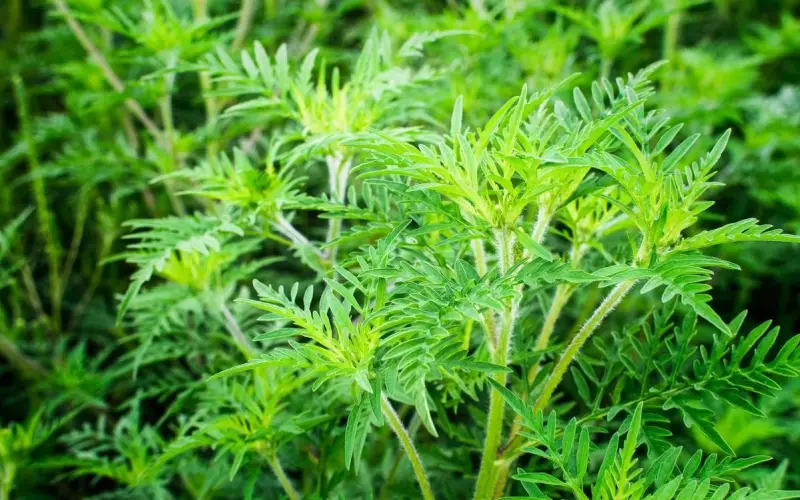
Wormwood and Artemisinin: From Traditional Herb to Important Malaria Medicine
Wormwood, specifically sweet wormwood or Artemisia annua, is a medicinal plant with deep roots in traditional Chinese medicine. It has historically been used in some traditional practices related to fever.
Today, sweet wormwood is globally recognized because of its famous active compound: artemisinin. Artemisinin and its derivatives have become essential components of modern antimalarial medicines, especially in artemisinin-based combination therapies, commonly known as ACTs.
Important note: There is a major difference between pharmaceutical artemisinin used in malaria medicines and raw wormwood herb, wormwood tea, or herbal supplements. Non-pharmaceutical wormwood products are not recommended for malaria prevention or treatment. Malaria is a serious disease that requires rapid diagnosis and medical treatment.
What Is Wormwood?
Wormwood in this article refers specifically to sweet wormwood, or Artemisia annua, an aromatic plant from the Asteraceae family. In traditional Chinese medicine, it is known as Qing Hao.
The plant’s modern importance comes from the discovery of artemisinin, a compound that changed malaria treatment worldwide. This discovery led to the development of fast-acting medicines against malaria parasites.
If you are interested in medicinal plants more broadly, you can explore Vitaminati’s herbs section to understand the difference between traditional plant use and medicines derived from plants.
What Is Artemisinin?
Artemisinin is a natural compound extracted from sweet wormwood Artemisia annua. It is not simply an herbal tea; it is a drug compound whose derivatives have been developed and used in antimalarial medicines.
Artemisinin derivatives such as artesunate, artemether, and dihydroartemisinin act quickly against malaria parasites in the blood. This is why they are used in ACTs, which combine a fast-acting artemisinin derivative with a longer-acting partner drug.
This combination helps clear parasites quickly while reducing the risk of recurrence and drug resistance.
Uses and Benefits of Wormwood and Artemisinin in Malaria
1. Important Role in Malaria Treatment — Through Medicines, Not the Raw Herb
The most important feature of sweet wormwood is that it was the plant source of artemisinin. However, modern malaria treatment depends on medicines with defined doses and combinations, not on raw plant tea or powder.
The World Health Organization recommends artemisinin-based combination therapies for malaria treatment, especially malaria caused by Plasmodium falciparum. These treatments should be used according to medical guidance and local treatment protocols.
To understand the disease itself, you can read Vitaminati’s article on malaria causes, symptoms, prevention, and treatment.
2. Fast Action Against Malaria Parasites
Artemisinin derivatives are known for their rapid action. They help reduce malaria parasite levels in the blood faster than many older antimalarial medicines, which is one reason they are important in modern malaria treatment protocols.
However, fast action does not mean artemisinin should be used alone or that raw herb products are safe alternatives. Monotherapy or inaccurate dosing may increase the risk of treatment failure or parasite resistance. Only approved medicines should be used under medical supervision.
3. Fever Improvement as Part of Proper Treatment
Fever is one of the most noticeable symptoms of malaria and may improve as parasite levels fall after proper treatment begins. For this reason, patients may notice improvement in fever and symptoms with the correct therapy.
However, wormwood should not be used as a home fever remedy when malaria is suspected. Fever in a malaria-endemic region requires rapid testing because delaying treatment can lead to serious complications.
4. Why ACTs Matter for Drug Resistance
Artemisinin-based combination therapies were developed to reduce the risk of resistance. The partner drug helps kill remaining parasites after the rapid early effect of the artemisinin derivative.
This is why artemisinin derivatives are generally not used alone for uncomplicated malaria, and why non-standard herbal products with unknown artemisinin amounts are not recommended.
This caution matters because artemisinin partial resistance refers to delayed parasite clearance from the bloodstream after ACT treatment, and WHO monitors this issue closely. :contentReference[oaicite:2]{index=2}
Why Wormwood Tea or Supplements Are Not Recommended for Malaria
Although sweet wormwood is the plant source of artemisinin, using the raw plant is very different from using a purified, standardized medicine. Herbal teas, powders, and non-pharmaceutical capsules are not appropriate malaria treatments for several reasons:
- Uncertain dose: Artemisinin content varies by plant variety, soil, harvest time, drying, and storage.
- Risk of undertreatment: Inadequate dosing may fail to clear parasites completely.
- Resistance risk: Incorrect use may increase selective pressure on parasites and contribute to drug resistance.
- Delayed medical treatment: Relying on tea or supplements may delay proper treatment and increase complication risk.
- Quality concerns: Herbal supplements may vary in strength, purity, or contamination risk.
If malaria is suspected, the solution is not an herb or supplement. The safe step is rapid testing and prescribed treatment.
Malaria Symptoms That Need Rapid Attention
Malaria symptoms may appear after exposure to infected mosquitoes in risk areas. Common symptoms include:
- Fever and chills.
- Heavy sweating.
- Headache and body aches.
- Nausea or vomiting.
- Severe tiredness.
- Diarrhea in some cases.
Danger signs that require urgent medical care include confusion, difficulty breathing, yellowing of the skin or eyes, seizures, persistent vomiting, severe anemia, or dehydration signs. You can read Vitaminati’s article on malaria causes, symptoms, and prevention methods for more context.
Malaria Prevention: What Helps More Than Herbs?
Malaria prevention depends on reducing mosquito exposure and using preventive medicines when needed, especially before travel to malaria-endemic areas. Important steps include:
- Using insecticide-treated bed nets.
- Using effective approved insect repellents.
- Wearing long clothing during mosquito-active hours.
- Reducing standing water around homes.
- Consulting a doctor before travel about preventive medication.
Some plants, such as neem, may appear in insect-repellent products, but that does not make them malaria treatments. You can review Vitaminati’s article on neem and insect-repellent uses.
Precautions When Using Wormwood Products
If a product is herbal or supplemental rather than a prescribed medicine, it should be approached with great caution. Key precautions include:
- Do not use it to treat malaria: Do not rely on wormwood, wormwood tea, capsules, or extracts for malaria treatment or prevention.
- Seek medical care immediately if malaria is suspected: Malaria can progress quickly, especially in children, pregnant women, and older adults.
- Pregnancy and breastfeeding: Do not use wormwood products or artemisinin without medical supervision, especially during pregnancy.
- Children: Do not give herbal wormwood products to children for fever or malaria.
- Medications and interactions: Tell your doctor about all supplements and medicines you use, especially heart, liver, epilepsy, immune, or antiviral medications.
- Quality and dose: Non-pharmaceutical herbal products do not guarantee a fixed artemisinin dose and cannot be relied on for a serious disease.
Where Is Wormwood Found?
Sweet wormwood Artemisia annua grows in subtropical and temperate climates. Although its origin is closely linked with China and Asia, it is now cultivated in several regions around the world, including Southeast Asia, Africa, Europe, and parts of North America.
Its cultivation is linked to scientific and pharmaceutical value, but access to the plant does not mean home use is safe or sufficient for treating malaria.
Conclusion
Sweet wormwood, or Artemisia annua, is an important plant in medical history because it was the source of artemisinin, one of the key compounds behind modern malaria medicines. Artemisinin derivatives, especially in ACTs, changed the way malaria is treated in modern medicine.
However, the most important message is that the raw herb is not the medicine. Wormwood tea or supplements are not recommended for malaria prevention or treatment. If malaria is suspected, rapid testing and medical treatment are the safe path. Herbs may be part of health history and botanical research, but they are not a substitute for approved antimalarial medicines.
FAQs About Wormwood and Malaria
Does wormwood treat malaria?
Raw plant material, tea, and supplements are not recommended for malaria treatment. Approved treatment relies on defined-dose medicines such as ACTs under medical supervision.
What is the difference between wormwood and artemisinin?
Wormwood is the plant. Artemisinin is an active compound extracted from it and used in precise antimalarial drug combinations.
Does wormwood tea prevent malaria?
No. WHO does not support the use of Artemisia tea or supplements for malaria prevention or treatment because dosing is uncertain and undertreatment is dangerous.
What are ACTs?
ACTs are artemisinin-based combination therapies. They combine a fast-acting artemisinin derivative with a longer-acting partner drug to treat malaria effectively and reduce resistance risk.
Can wormwood be used for children?
Herbal wormwood products should not be used in children for fever or malaria. Children are at higher risk of malaria complications and need rapid medical care.
When should medical help be sought?
Seek help immediately if fever appears after travel to or residence in a malaria-risk area, especially with chills, severe headache, vomiting, extreme fatigue, or confusion.
Scientific References
- WHO: Treatment of Malaria
- WHO: The Use of Non-Pharmaceutical Forms of Artemisia
- WHO: Malaria Fact Sheet
- WHO Guidelines for Malaria
- PubMed: Qinghaosu (Artemisinin): An Antimalarial Drug from China
- PubMed: Artemisinin-Based Combination Therapy for Treating Uncomplicated Malaria
- Nobel Prize: The 2015 Physiology or Medicine Prize and Artemisinin
- WHO: Artemisinin Partial Resistance
Medical disclaimer: This article is for general educational purposes only and is not medical advice or malaria treatment. Malaria can be life-threatening and requires rapid testing and medical treatment. Do not use wormwood, wormwood tea, or any herbal supplement for malaria prevention or treatment without medical supervision.