How to Use Acretin Cream on Your Face: Steps, Amount & Moisturizer
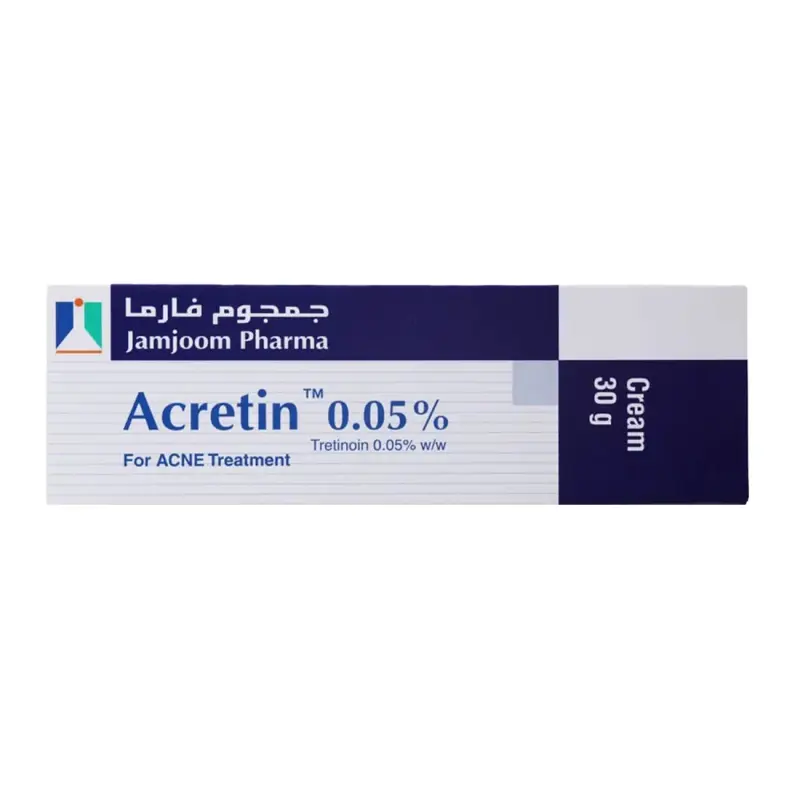
Acretin cream contains tretinoin, a vitamin A derivative used to treat acne and help prevent clogged pores. It is available in two concentrations: 0.025% and 0.05%. Correct use involves choosing the appropriate strength, applying a small amount, and gradually introducing the treatment to minimize skin irritation.
What Is the Difference Between Acretin 0.025% and 0.05%?
- Acretin 0.025%: The lower concentration, which may be more suitable for beginners or people with irritation-prone skin.
- Acretin 0.05%: The higher concentration, which may be prescribed depending on acne severity and how well the skin tolerates treatment.
Should you start with Acretin 0.025%? If you have never used tretinoin before, your dermatologist may recommend starting with the lower concentration. Increasing to 0.05% is not necessarily required if your skin responds well to treatment.
How to Use Acretin Cream on Your Face Correctly
- Wash your face with a gentle cleanser free from harsh exfoliating ingredients.
- Dry your skin completely and wait approximately 20–30 minutes before applying the cream.
- Apply a pea-sized amount of Acretin cream. This small amount is generally sufficient for the entire face.
- Spread a thin layer over acne-prone areas as directed by your dermatologist, avoiding the eyes, lips, and corners of the nose.
- Leave the cream on your skin according to your dermatologist's instructions. Tretinoin is commonly applied in the evening and left on overnight.
Important: Applying more cream does not produce faster results. Excessive application may increase redness, dryness, and peeling.
How Often Should Beginners Use Acretin Cream?
Your dermatologist may recommend gradually introducing Acretin to reduce irritation. An example schedule is:
- Weeks 1–2: Twice weekly.
- Weeks 3–4: Every other night, if your skin tolerates the treatment.
- Afterward: Nightly application may be recommended depending on skin tolerance.
This is an example of a gradual introduction schedule, not the manufacturer's official dosage instructions. The Acretin 0.05% leaflet allows once- or twice-daily use under medical direction. Always follow your prescribed regimen.
How Long Should You Leave Acretin on Your Face? Can You Sleep with It?
Yes, Acretin can generally be left on overnight. Tretinoin is commonly used as a leave-on treatment and washed off during the normal morning cleansing routine, unless your dermatologist recommends otherwise.
The commonly recommended 20–30-minute waiting period refers to allowing your skin to dry before applying Acretin, not washing the cream off after 20–30 minutes.
How to Use Acretin with Moisturizer: What Is the Sandwich Method?
The sandwich method is a technique some dermatologists recommend to reduce irritation from topical retinoids.
It involves three steps:
- Apply a thin layer of gentle moisturizer to clean skin and allow it to absorb.
- Once your skin is dry, apply a pea-sized amount of Acretin cream.
- After the medication has absorbed, apply another thin layer of moisturizer.
Note: The sandwich method is not specifically included in the official Acretin leaflet, which advises against applying moisturizer at the same time as the medication. Consult your dermatologist before using this method with Acretin, and do not mix the cream and moisturizer together.
What Moisturizer Should You Use with Acretin? Can You Use Bepanthen?
Choose a gentle, fragrance-free moisturizer, preferably labeled non-comedogenic, meaning it is formulated to avoid clogging pores. Ingredients such as ceramides and glycerin may help support skin hydration.
Can you use Bepanthen? Some Bepanthen formulations may be suitable, depending on the specific product and your skin type. Ask your pharmacist about the appropriate formulation and application timing.
Choosing a moisturizer also depends on your skin type and its specific care needs, particularly if your skin is oily or sensitive.
When Does Acretin Cream Start Working?
According to the manufacturer's Acretin 0.05% leaflet, noticeable acne improvement generally begins after 6–8 weeks of regular treatment. Further improvement may take longer.
Individual results can also be influenced by factors such as hormonal changes and stress that contribute to acne.
When Does Acretin Start Peeling the Skin? Is Peeling Necessary?
Dryness or peeling may develop during the first few days or weeks of treatment. The timing and severity vary between individuals.
Peeling is not necessary for Acretin to work. The absence of peeling does not mean the treatment is ineffective. Do not increase the amount to intentionally cause peeling.
Does Acretin Lighten or Whiten the Face?
Acretin is not a skin-whitening cream. However, tretinoin may help improve the appearance of certain dark spots, particularly post-acne hyperpigmentation.
It should not be used solely for skin lightening without medical guidance, as irritation may worsen pigmentation in some people.
Is Acretin the Same as Retinol?
No. Acretin contains tretinoin, an active form of vitamin A. Cosmetic retinol must undergo conversion within the skin before becoming active.
Tretinoin is generally more potent than cosmetic retinol and may cause greater irritation. Understanding how to choose the right retinol for your skin type can help explain the differences between these ingredients.
Can You Use Acretin on Oily Skin?
Yes. Acretin may be prescribed for oily, acne-prone skin. However, oily skin can still experience dryness and irritation, so a gentle cleanser and suitable moisturizer remain important.
What Products Should You Avoid While Using Acretin?
- Strong exfoliants: Such as AHAs, BHAs, and abrasive facial scrubs.
- Retinol and other retinoids: Combining these products may increase irritation.
- Benzoyl peroxide: Use alongside Acretin only if your dermatologist recommends an appropriate treatment schedule.
- Harsh skincare products: Including drying cleansers and alcohol-rich toners.
Use broad-spectrum sunscreen with SPF 30 or higher every morning, as tretinoin may increase sensitivity to sunlight. Following the correct sunscreen application and reapplication routine helps maintain adequate protection.
What Should You Do If Acretin Causes Severe Redness or Peeling?
If you experience mild dryness or irritation, consult your dermatologist about reducing the application frequency while maintaining gentle moisturization.
If you develop severe burning, significant swelling, blistering, or crusting, stop using Acretin and contact your doctor.
Who Should Avoid Using Acretin Cream?
- Pregnant women and those planning pregnancy: Acretin should not be used.
- Breastfeeding women: Consult a doctor before use.
- People with acute eczema, rosacea, or perioral dermatitis: These conditions are listed among the contraindications in the Acretin 0.05% leaflet.
- People with known allergies to any ingredient: Do not use Acretin if you are hypersensitive to its components.
How Should You Wash Your Face After Using Acretin?
In the morning, gently wash your face with lukewarm water and a mild cleanser. Avoid scrubbing or exfoliating. Follow with a suitable moisturizer and broad-spectrum sunscreen.
Scientific References
- Jamjoom Pharmaceuticals – Acretin Cream 0.025%
- Jamjoom Pharmaceuticals – Acretin 0.05% Cream, Official Summary of Product Characteristics (supplied leaflet).
- American Academy of Dermatology – Acne Diagnosis and Treatment
- MedlinePlus – Tretinoin Topical
Medical Disclaimer: This article is for educational purposes only and does not replace professional medical advice. Always follow your dermatologist's instructions and the product information for your prescribed Acretin concentration.