Sunscreen: When to Apply It, How to Reapply It, and How to Choose the Right Type
Sunscreen is not only a summer product or a beach-day step. It is one of the most important daily skin-protection tools because ultraviolet radiation can contribute to sunburn, pigmentation, premature skin aging, and long-term skin damage. However, sunscreen works best when it is applied correctly, used in the right amount, and reapplied during the day when needed.
Many sunscreen problems happen because the product is applied too late, used in a very small amount, skipped around the lips or eyes, or not reapplied after sweating, swimming, or staying outdoors for long periods. The right sunscreen routine depends on your skin type, your daily exposure, and whether you are dealing with concerns such as acne, melasma, dark spots, or sensitive skin.
When should you apply sunscreen?
Sunscreen should usually be applied about 15 minutes before going outdoors. This gives the product enough time to spread evenly and form a protective layer on the skin. It should not be applied only after you are already in direct sun, because your skin may already be exposed during that time.
In a morning skin-care routine, sunscreen is usually the last skin-care step, after moisturizer and before makeup. If you use active ingredients such as vitamin C, niacinamide, exfoliating acids, or retinoids, sunscreen becomes even more important because these routines often target pigmentation, dullness, texture, or acne marks. A good routine should start with understanding your skin type, rather than choosing sunscreen only because it is popular.
Sunscreen should be used whenever your skin is exposed to daylight, especially when you are outdoors for more than a short period. UV rays can still reach the skin on cloudy days, and repeated exposure can affect the face, neck, hands, lips, and eye area even when the weather does not feel hot.
Do you need sunscreen indoors?
This depends on your exposure. If you spend most of the day far from windows and do not go outside, your need for reapplication may be lower than someone spending the day outdoors. However, if you sit near a bright window, drive for long periods, have melasma or dark spots, or use skin treatments that increase sensitivity, applying sunscreen in the morning can still be useful.
UVA rays are associated with photoaging and pigmentation, and they can pass through glass to some degree. This is why sunscreen is not only a beach product. For people with pigmentation-prone skin, consistent daily protection often matters more than occasional heavy use.
What is the best type of sunscreen?
There is no single best sunscreen for everyone. The best sunscreen is broad-spectrum, has an SPF of at least 30, suits your skin type, and feels comfortable enough that you will use it consistently.
- SPF 30 or higher: SPF mainly reflects protection against UVB rays, which are strongly linked to sunburn.
- Broad-spectrum protection: This means the product helps protect against both UVA and UVB rays.
- Water resistance when needed: This is useful for sweating, swimming, outdoor exercise, or long days in the sun.
For oily or acne-prone skin, lighter textures such as gel, fluid, or water-based formulas may feel better. Look for terms such as non-comedogenic, oil-free, or won’t clog pores. For dry skin, a creamier or moisturizing sunscreen may be more comfortable. For sensitive skin, mineral sunscreens containing zinc oxide or titanium dioxide may be better tolerated by some people.
If your main concern is dark spots, post-acne marks, or melasma, tinted sunscreen may be helpful, especially when it contains iron oxides. Visible light can worsen pigmentation in some skin types, so tinted formulas may offer an additional cosmetic and protective benefit. This can be especially relevant when your routine includes ingredients such as niacinamide for your skin type or antioxidant support such as vitamin C for skin radiance.
Mineral vs chemical sunscreen: which one is better?
Mineral sunscreens usually use zinc oxide, titanium dioxide, or both. They are often preferred by people with sensitive skin, children, or those who experience stinging from certain sunscreen filters. They may also be easier to tolerate around the eyes, although this depends on the full formula.
Chemical sunscreens use UV filters that absorb ultraviolet radiation and convert part of that energy into heat. Many chemical sunscreens are lightweight, transparent, and easier to blend into the skin, especially on deeper skin tones. However, some people may experience stinging, irritation, or watery eyes with certain formulas.
One type is not automatically better for everyone. The most important factors are broad-spectrum protection, SPF 30 or higher, skin tolerance, and correct application.
How much sunscreen should you apply to the face?
A common mistake is using too little sunscreen. When the amount is too small, the skin may not receive the level of protection shown on the label.
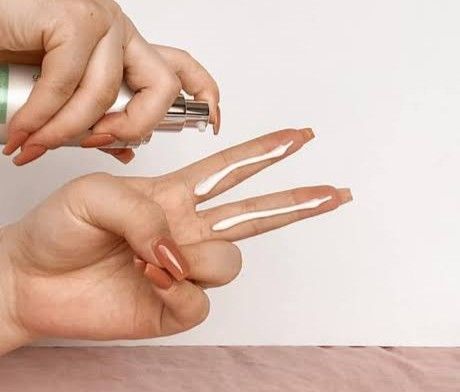
For the face and neck, the two-finger rule can be a practical guide: apply two lines of sunscreen along the index and middle fingers, then spread evenly over the face and neck. The exact amount may vary depending on face size and product texture, but the main point is to apply enough product to cover all exposed areas.
Do not forget commonly missed areas such as the ears, hairline, sides of the face, neck, back of the hands, tops of the feet when exposed, and the lips.
How often should you reapply sunscreen?
When you are outdoors, sunscreen should generally be reapplied every two hours. It should be reapplied sooner after swimming, heavy sweating, towel-drying, or anything that rubs the product off the skin, such as masks, scarves, clothing, or frequent touching of the face.
Water-resistant sunscreen does not mean waterproof sunscreen. Water-resistant products are tested to maintain protection for a limited time while swimming or sweating, often 40 or 80 minutes depending on the label. After that, sunscreen still needs to be reapplied.
During a normal office or university day, reapplication depends on exposure. If you are indoors most of the day and away from direct sunlight, you may not need to reapply as often as you would at the beach. If you drive, walk outdoors, sit near windows, sweat, or spend time outside, reapplication becomes more important.
How can you reapply sunscreen over makeup?
The strongest base protection comes from applying enough sunscreen directly onto the skin in the morning. Reapplying over makeup can be more difficult, but there are practical options.
- Liquid or cream sunscreen: It can be tapped gently over light makeup using clean fingers or a sponge.
- Sunscreen stick: Useful for smaller areas such as the nose, cheeks, eye area, and lips, but it must be applied with enough passes.
- SPF powder or cushion: Helpful for touch-ups, especially for oily skin, but it may not provide enough protection if used too lightly.
- Sunscreen spray: More practical for the body. Avoid spraying directly into the face, mouth, or eyes; spray onto the hands first if the product is suitable for facial use.
For people with melasma or stubborn pigmentation, makeup alone is not enough. Consistent sunscreen use, shade, sunglasses, and hats are part of the same protection strategy. This is especially important when addressing melasma and pigmentation triggers.
Do lips need sunscreen?
Yes. The lips need sun protection because the skin on the lips is thin and often forgotten. Sun exposure can contribute to dryness, burning, cracking, pigmentation, and long-term damage.
Use a lip balm with SPF 30 or higher when outdoors. Reapply it frequently because eating, drinking, speaking, and wiping the mouth remove the product faster than on other areas of the face. Regular lipstick or lip gloss should not be assumed to provide sun protection unless it clearly includes SPF.
Can sunscreen be used around the eyes?
Yes, but it should be applied carefully. The skin around the eyes is thin and commonly affected by sun-related fine lines and pigmentation, but some sunscreens can sting if they move into the eyes.
For this area, a sunscreen stick, mineral sunscreen, or fragrance-free facial sunscreen may be easier to tolerate. Apply it around the orbital bone and eyelids only if your skin tolerates it, while avoiding the lash line and direct contact with the eyes.
Sunglasses and a wide-brimmed hat can add important protection. They are especially useful for people who cannot tolerate sunscreen close to the eyes or who experience watery eyes from facial products.
Does sunscreen cause acne?
Sunscreen does not cause acne in everyone. However, some formulas may feel heavy, clog pores, increase shine, or trigger irritation in acne-prone skin. In many cases, the problem is not sunscreen itself, but the wrong texture or poor cleansing at the end of the day.
For acne-prone skin, choose a product labeled non-comedogenic, oil-free, or won’t clog pores. Lightweight textures such as gel, fluid, or water-based sunscreen may be more comfortable. Cleansing the skin gently at night helps remove sunscreen, sweat, oil, makeup, and pollution without stripping the skin barrier.
If breakouts start after using a new sunscreen, do not assume all sunscreens will cause acne. Try a different formula and avoid heavy, greasy, or strongly fragranced products. Sunscreen is especially important when acne routines include retinoids, exfoliating acids, or treatments that may make the skin more sensitive to sunlight. This is why sunscreen should be paired with a thoughtful routine, including the right retinol for your skin type when retinol is part of the plan.
Does sunscreen completely prevent tanning?
No sunscreen blocks 100% of UV radiation. Sunscreen reduces UV exposure, but it does not give unlimited permission to stay in the sun. Tanning or pigmentation can still happen, especially if sunscreen is applied too lightly, not reapplied, or used without shade and protective clothing.
For pigmentation-prone skin, protection needs more than one step: broad-spectrum sunscreen, regular reapplication, hats, sunglasses, shade, and avoiding intense midday sun when possible. This is especially important during treatments for dark spots or melasma, including dermatologist-supervised approaches such as Kligman’s formula for melasma, where sun exposure can reduce visible improvement.
Is SPF 50 better than SPF 30?
SPF 30 is a common minimum recommendation for daily sun protection. SPF 50 may be preferred during stronger sun exposure, long outdoor days, beach trips, sports, high-altitude exposure, melasma, photosensitivity, or when using skin treatments that increase sensitivity.
However, a higher SPF does not mean all-day protection. SPF 50 still needs to be reapplied, especially after sweating, swimming, towel-drying, or rubbing the skin. Correct use matters more than choosing a high number and applying it once.
Is sunscreen necessary for darker skin tones?
Yes. Darker skin has more natural melanin, which provides some protection, but it does not make the skin immune to UV damage. Sun exposure can still contribute to uneven tone, pigmentation, melasma, post-acne marks, photoaging, and in some cases sunburn.
For medium to deep skin tones, tinted sunscreen may be more cosmetically acceptable because it reduces the white cast. It may also be useful for pigmentation-prone skin because some tinted formulas help protect against visible light.
Can vitamin C or antioxidants replace sunscreen?
No. Vitamin C and antioxidants can support the skin against oxidative stress, but they do not block UV radiation and cannot replace sunscreen.
Vitamin C can be used in the morning before moisturizer and sunscreen if tolerated. It may complement a sun-protection routine, but sunscreen remains the main step for UV protection. This is especially relevant when thinking about oxidative stress on the face, which can be influenced by UV exposure, pollution, and environmental stressors.
Can skin supplements replace sunscreen?
No supplement can replace topical sun protection. Nutrition can support general skin health, but it does not physically protect the skin from UV radiation in the way sunscreen, shade, clothing, hats, and sunglasses do.
A balanced diet and selected nutrients may support normal skin function, but they should not be presented as alternatives to sunscreen. When discussing the best vitamins for skin, sunscreen should remain the foundation of preventing sun-related pigmentation and premature photoaging.
Common sunscreen mistakes
- Applying too little product.
- Applying sunscreen only after reaching direct sunlight.
- Skipping the lips, ears, neck, hairline, and hands.
- Forgetting to reapply every two hours when outdoors.
- Relying only on SPF in makeup.
- Using expired sunscreen or a product with changed smell, color, or texture.
- Assuming water-resistant means waterproof.
- Using a heavy formula on acne-prone skin and then stopping sunscreen completely.
When should you see a dermatologist?
See a dermatologist if sunscreen repeatedly causes burning, rash, swelling around the eyes, persistent irritation, or worsening breakouts despite changing the formula. Medical advice is also important if you have stubborn melasma, rapidly changing pigmentation, severe acne, or moles that change in color, size, shape, or border.
Sunscreen is an important protective tool, but it is not a treatment for every skin concern. When a skin condition is present, the right plan depends on diagnosis, skin type, medication use, pregnancy status when relevant, and personal tolerance.
Conclusion
The best sunscreen is a broad-spectrum SPF 30 or higher product that suits your skin type and is comfortable enough to use every day. Apply it about 15 minutes before going outdoors, use enough product, and reapply every two hours during outdoor exposure or sooner after swimming, sweating, towel-drying, or rubbing the skin.
Do not forget the lips, eye area, ears, neck, and hands. If you have oily or acne-prone skin, do not stop sunscreen altogether; choose a lightweight, non-comedogenic formula and cleanse gently at the end of the day.
FAQs
When should sunscreen be applied in the morning?
Sunscreen is usually applied as the last skin-care step in the morning, after moisturizer and before makeup. Apply it about 15 minutes before going outdoors.
How often should sunscreen be reapplied?
When outdoors, sunscreen should generally be reapplied every two hours. Reapply sooner after swimming, sweating, towel-drying, or rubbing the skin.
Do I need to reapply sunscreen if I am indoors?
If you are indoors and away from windows most of the day, reapplication may be less necessary. If you sit near windows, drive, go outside, or have pigmentation-prone skin, reapplication may be useful.
Does sunscreen cause breakouts?
Some heavy or oily formulas may trigger breakouts in acne-prone skin. Choose non-comedogenic, oil-free, or lightweight sunscreen and cleanse the skin gently at night.
What is the best sunscreen for oily skin?
A lightweight gel, fluid, or water-based sunscreen labeled non-comedogenic or oil-free is often better tolerated by oily or acne-prone skin.
What is the best sunscreen for sensitive skin?
Sensitive skin may tolerate mineral sunscreens with zinc oxide or titanium dioxide better, especially when the formula is fragrance-free.
Should sunscreen be applied around the eyes?
Yes, but carefully. Use a gentle facial sunscreen, mineral formula, or sunscreen stick and avoid getting it into the eyes or too close to the lash line.
Do lips need sunscreen?
Yes. Use a lip balm with SPF 30 or higher and reapply it often because eating, drinking, and wiping the mouth remove product quickly.
Does SPF 100 last all day?
No. Higher SPF does not remove the need for reapplication. Sunscreen still needs to be reapplied during outdoor exposure and after water, sweat, or towel-drying.
Does sunscreen block vitamin D?
Sunscreen can reduce some vitamin D production in the skin when used thoroughly, but unsafe sun exposure is not recommended as a vitamin D strategy. If deficiency is suspected, testing and professional guidance are safer options.
Scientific references
- American Academy of Dermatology Association: How to apply sunscreen
- American Academy of Dermatology Association: How to decode sunscreen labels
- U.S. Food and Drug Administration: Tips to stay safe in the sun
- British Association of Dermatologists / Skin Health Info: Sunscreen fact sheet
- NHS: Sunscreen and sun safety