Kligman’s Formula for Melasma: Benefits, Risks, and Safe Use
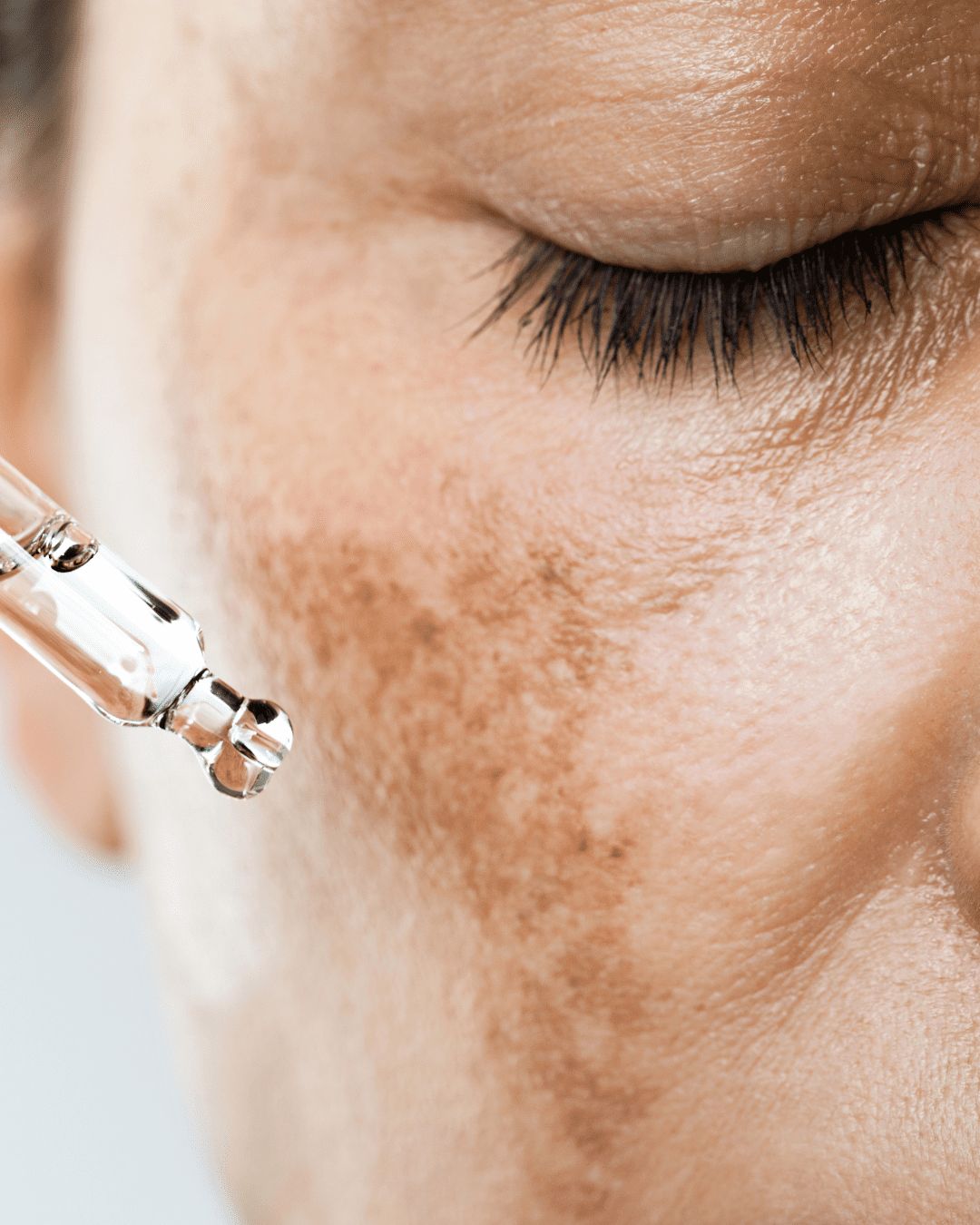
Kligman’s formula for melasma is a prescription-style topical combination used to reduce stubborn facial pigmentation. It is not a simple brightening cream. It usually combines three active ingredients: hydroquinone to reduce pigment production, tretinoin to increase skin cell turnover, and a topical corticosteroid to reduce irritation and inflammation.
This combination can be effective for melasma, especially moderate or resistant cases, but it also carries real risks when used incorrectly. Because it includes a steroid, a retinoid, and hydroquinone, Kligman’s formula should be used only under medical supervision and for a limited period.
Melasma is a chronic pigment condition. It can improve, but it often relapses when triggers such as sun exposure, heat, visible light, hormones, and skin irritation are not controlled. This is why treatment is not only about applying a cream; it is also about strict photoprotection and long-term maintenance.
Because melasma is influenced by more than pigment production alone, understanding melasma from the inside out can help explain why hormones, inflammation, oxidative stress, the gut-skin connection, and lifestyle triggers may affect recurrence.
What is Kligman’s formula for melasma?
Kligman’s formula is a triple-combination topical treatment originally developed for hyperpigmentation. The classic Kligman-Willis formula included hydroquinone, tretinoin, and dexamethasone in a cream base.
Modern versions are often called modified Kligman’s formula or triple-combination cream. They may contain different concentrations or a different corticosteroid, depending on the country, available products, and dermatologist preference.
The most recognized fixed triple-combination formula contains:
- Hydroquinone 4%: a pigment-reducing agent.
- Tretinoin 0.05%: a topical retinoid that supports skin cell turnover.
- Fluocinolone acetonide 0.01%: a mild topical corticosteroid that reduces inflammation and irritation.
Some compounded formulas may use other strengths, such as hydroquinone 5%, tretinoin 0.1%, or a different corticosteroid. These changes matter because higher strengths may increase irritation, steroid-related side effects, or complications from overuse.
How does Kligman’s formula work on melasma?
Melasma is not caused by one pathway only. It involves overactive pigment-producing cells, sun and visible-light exposure, hormonal influence, inflammation, oxidative stress, and sometimes genetic tendency. That is why combination therapy can be useful.
Hydroquinone reduces pigment production
Hydroquinone helps reduce melanin formation by affecting tyrosinase, an enzyme involved in pigment production. This is the main depigmenting part of the formula.
Hydroquinone can be effective, but it is also the ingredient most associated with concern when used for too long or without supervision. Prolonged inappropriate use may irritate the skin and, rarely, contribute to ochronosis, a difficult bluish-gray discoloration.
Tretinoin improves skin turnover
Tretinoin is a vitamin A derivative. It helps increase epidermal turnover, so pigmented skin cells are shed more efficiently. It may also improve the penetration and activity of hydroquinone.
However, tretinoin can cause dryness, peeling, burning, and sensitivity, especially during the first weeks. Irritation itself can worsen pigmentation in darker skin tones if the routine is too aggressive.
The corticosteroid reduces inflammation
The steroid component helps calm inflammation and reduce irritation from hydroquinone and tretinoin. This makes the formula more tolerable for some patients.
The problem is that topical steroids are not harmless when used continuously on the face. Long-term use may lead to skin thinning, visible blood vessels, acne-like eruptions, perioral dermatitis, rosacea-like changes, or rebound symptoms.
Is Kligman’s formula effective for melasma?
Triple-combination creams are among the best-studied topical treatments for melasma. They may improve pigmentation more effectively than using one ingredient alone, especially when combined with sunscreen and trigger control.
Still, response varies. Some people notice gradual improvement within several weeks, while others need a different treatment plan. Melasma depth, skin type, irritation tendency, hormonal triggers, and sunscreen adherence all affect results.
Kligman’s formula is not a cure. It can reduce pigmentation, but melasma often returns after stopping treatment if maintenance and photoprotection are not continued.
Who may benefit from Kligman’s formula?
A dermatologist may consider Kligman’s formula for adults with moderate facial melasma, resistant pigmentation, or melasma that has not responded well to simpler topical options.
It may be more appropriate when pigmentation is significant enough to justify a prescription triple-combination approach, and when the patient can follow sun protection, avoid irritation, and attend follow-up appointments.
It is not usually the first choice for everyone with mild pigmentation, sensitive skin, pregnancy-related melasma, or people who cannot avoid sun exposure consistently.
Who should avoid or be careful with Kligman’s formula?
Kligman’s formula should be avoided or used only with clear medical guidance in several situations:
- Pregnancy or trying to conceive.
- Breastfeeding, unless a physician decides it is appropriate.
- Very sensitive, irritated, or inflamed skin.
- Active eczema, rosacea flare, dermatitis, or open skin.
- History of steroid side effects on the face.
- History of hydroquinone sensitivity or ochronosis.
- Use of other strong exfoliating acids, retinoids, peeling creams, or aggressive procedures.
- Inability to use sunscreen daily.
People with darker skin tones can benefit from melasma treatments, but they also need careful irritation control because inflammation may trigger post-inflammatory hyperpigmentation.
How is Kligman’s formula usually used?
Use depends on the exact prescription and dermatologist instructions. In many treatment plans, a thin layer is applied at night to affected areas for a limited duration, often several weeks rather than continuous long-term use.
It is usually paired with:
- Daily broad-spectrum sunscreen.
- Visible-light protection, especially tinted sunscreen with iron oxides when suitable.
- Heat and sun avoidance as much as possible.
- A gentle cleanser.
- A bland moisturizer to reduce irritation.
- Avoidance of unnecessary exfoliating acids or harsh scrubs.
The formula should not be applied close to the eyes, corners of the nose, lips, or broken skin unless specifically instructed. More cream does not mean faster results; it usually means more irritation.
Why sunscreen is non-negotiable with Kligman’s formula
Melasma is strongly influenced by ultraviolet radiation, visible light, and heat. Without daily sunscreen, Kligman’s formula is less likely to work and more likely to cause irritation without lasting improvement.
Sunscreen should be used every morning, even indoors if there is strong daylight exposure. Reapplication matters during outdoor activity, sweating, or long sun exposure.
Because visible light can worsen pigmentation in some people, tinted sunscreen may be especially helpful. Antioxidant support may also be relevant because oxidative stress on the face can contribute to dullness, uneven tone, and pigmentation-related skin changes.
Possible side effects of Kligman’s formula
Side effects can happen even when the formula is prescribed correctly. They are more likely when the product is used too often, layered with harsh skincare, applied to sensitive areas, or continued for too long.
Common side effects may include:
- Redness.
- Burning or stinging.
- Dryness and peeling.
- Itching.
- Increased sensitivity to skincare products.
- Temporary worsening of irritation.
More concerning side effects may include:
- Acne-like rash.
- Skin thinning from steroid overuse.
- Visible small blood vessels.
- Perioral dermatitis.
- Rosacea-like flare.
- Rebound pigmentation.
- Rare ochronosis with prolonged or inappropriate hydroquinone use.
Stop and contact a healthcare professional if there is severe burning, swelling, blistering, intense redness, crusting, or sudden darkening of treated areas.
Kligman’s formula vs other melasma treatments
Kligman’s formula is one option, not the only option. Melasma treatment is often individualized because the condition has many triggers and recurrence is common.
Other options may include azelaic acid, tranexamic acid, kojic acid, niacinamide, vitamin C, cysteamine, chemical peels, laser-based treatments, and maintenance skincare. Some are gentler but slower, while others are stronger but require closer supervision.
For people building a supportive skincare routine, vitamin C for skin radiance may be relevant as part of antioxidant-focused skincare, although it should not be considered a replacement for prescription melasma treatment when melasma is moderate or severe.
Skin-support nutrients may also be part of a broader wellness approach, but the best vitamins for skin depend on the concern, such as dryness, dullness, barrier support, or oxidative stress, not only pigmentation.
Common mistakes with Kligman’s formula
1. Using it without a diagnosis
Not every dark patch is melasma. Post-inflammatory hyperpigmentation, sun spots, drug-induced pigmentation, fungal conditions, or other skin disorders can look similar.
2. Applying it all over the face
The formula is usually intended for affected areas, not as a general brightening cream for the entire face unless the dermatologist instructs otherwise.
3. Using it for months without follow-up
Long-term unsupervised use increases the risk of steroid and hydroquinone-related side effects.
4. Skipping sunscreen
Without sunscreen, melasma commonly returns or worsens, even if the cream initially improves pigmentation.
5. Combining it with too many actives
Layering acids, scrubs, retinoids, vitamin C, peeling products, and Kligman’s formula may irritate the skin and worsen pigmentation.
Final answer: is Kligman’s formula good for melasma?
Kligman’s formula can be an effective short-term treatment for melasma when prescribed and monitored by a dermatologist. It targets melasma through three mechanisms: reducing pigment production, increasing skin turnover, and calming inflammation.
But it is not a cosmetic cream to use freely. The same ingredients that make it effective can also cause irritation, steroid-related skin changes, rebound pigmentation, and other complications when misused.
The safest approach is to use Kligman’s formula only when medically appropriate, for a defined period, with strict sunscreen use and a maintenance plan after improvement.
This article is for general educational purposes only. It does not replace diagnosis or treatment by a dermatologist. Do not start Kligman’s formula, hydroquinone, tretinoin, or topical steroid combinations without medical supervision, especially during pregnancy, breastfeeding, or if you have sensitive or inflamed skin.
FAQs
What is Kligman’s formula for melasma?
Kligman’s formula is a topical triple-combination formula used for hyperpigmentation such as melasma. It traditionally combines hydroquinone, tretinoin, and a topical corticosteroid.
What ingredients are in Kligman’s formula?
The classic formula included hydroquinone 5%, tretinoin 0.1%, and dexamethasone 0.1%. Modern modified versions often use hydroquinone 4%, tretinoin 0.05%, and fluocinolone acetonide 0.01% or another mild corticosteroid.
Is Kligman’s formula effective for melasma?
Triple-combination creams are among the best-studied topical treatments for melasma, especially moderate to severe facial melasma. Results depend on skin type, trigger control, sunscreen use, and medical supervision.
Can I use Kligman’s formula every day?
It is usually used once daily at night for a limited period when prescribed. It should not be used continuously or long-term without a dermatologist because it contains hydroquinone, tretinoin, and a corticosteroid.
What are the side effects of Kligman’s formula?
Possible side effects include redness, burning, dryness, peeling, irritation, acne-like rash, skin thinning, visible small blood vessels, rebound pigmentation, and rarely ochronosis with prolonged or inappropriate hydroquinone use.
Can Kligman’s formula be used during pregnancy?
It is generally avoided during pregnancy because it contains tretinoin and hydroquinone. Melasma during pregnancy should be managed with sun protection and pregnancy-safe options under medical guidance.
Does melasma come back after stopping Kligman’s formula?
Yes, melasma often recurs after treatment stops, especially if sun exposure, heat, visible light, hormonal triggers, or inflammation are not controlled. Maintenance skincare and sunscreen are important.