Postpartum Hair Loss: Why It Happens and How to Support Regrowth
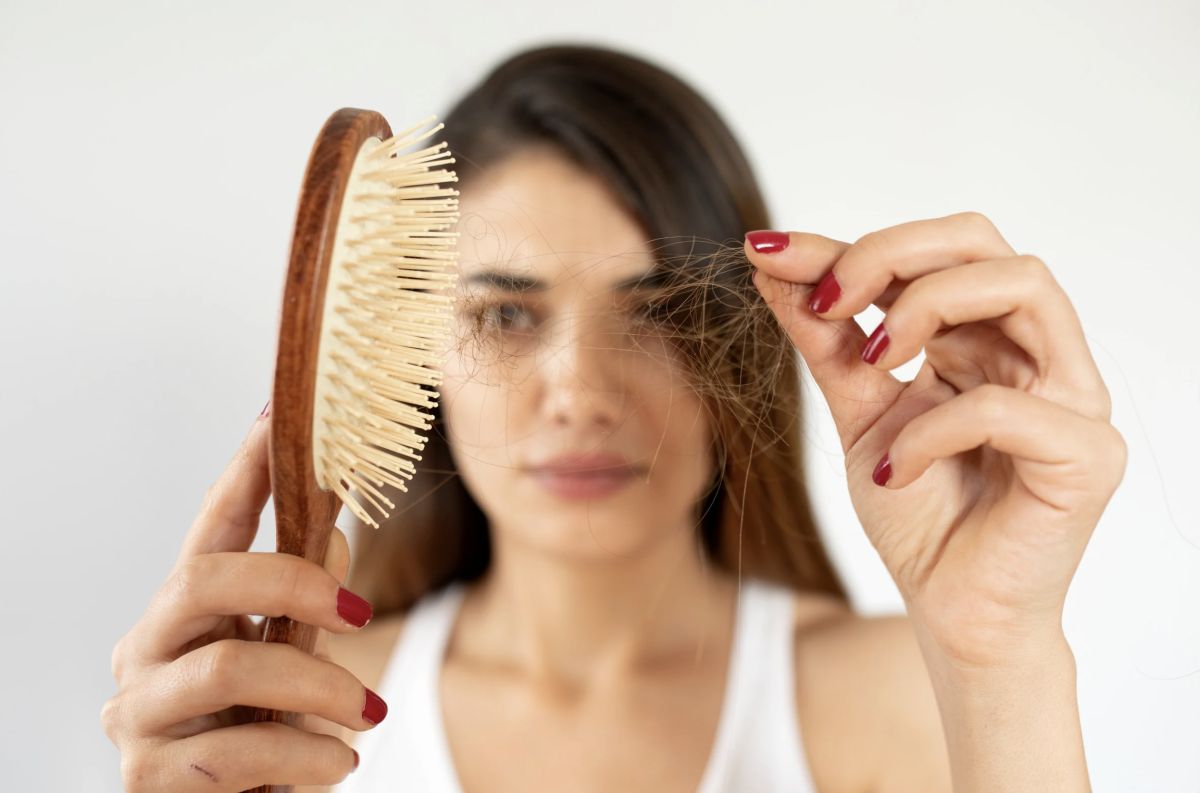
If you're finding handfuls of hair in the shower drain or on your pillow a few months after having a baby, you're not imagining it — and you're far from alone. Postpartum hair loss is one of the most common, yet least talked about, changes new mothers experience. It's driven by the rapid hormone shift that follows childbirth, and while it can feel alarming, it's typically temporary. Understanding what's actually happening in your hair follicles — and what can genuinely help — makes it easier to manage the months of extra shedding with less worry and better care for your hair and scalp.
Key Takeaways
- Postpartum hair loss, medically known as postpartum telogen effluvium, is a temporary increase in shedding that usually starts 2–4 months after delivery.
- It happens because high estrogen during pregnancy keeps more hair in its growth phase; after birth, estrogen drops quickly and many hairs shift into the shedding phase at once.
- Shedding typically peaks around month 3–4 postpartum and gradually improves by 6–12 months after delivery.
- Low iron, inadequate protein, and other nutrient gaps common after pregnancy and breastfeeding can make shedding more noticeable.
- Gentle hair handling, a balanced diet, and time are the main evidence-based supports — no shampoo or supplement reverses postpartum shedding overnight.
- Hair loss that is patchy, involves the scalp itself, or hasn't improved after a year deserves a medical evaluation.
What Is Postpartum Hair Loss?
Every strand of hair cycles through phases: a long growth phase (anagen), a short transition phase, and a resting/shedding phase (telogen). On an average day, a small percentage of scalp hair is in the telogen phase and sheds naturally. During pregnancy, elevated estrogen extends the growth phase, so fewer hairs than usual enter the shedding phase — which is why many women notice thicker, fuller hair while pregnant.
After delivery, estrogen levels fall sharply. This sudden drop pushes a much larger-than-usual proportion of hairs into the telogen phase simultaneously. Because there's a delay of a couple of months between a hair entering telogen and actually shedding, the noticeable hair loss usually begins around 2–4 months postpartum, not immediately after birth.
Postpartum shedding is different from many other causes of hair loss. If you'd like a broader overview of the nutrients commonly associated with hair health, see our guide to vitamins for hair growth and hair loss.
Why Does It Happen? The Hormonal Connection
Postpartum hair loss is a normal, expected response to the hormonal changes of pregnancy and delivery — it is not a disease and, in most cases, not a sign that something is wrong. It's different from androgenetic alopecia (pattern hair thinning), which develops gradually over years and is linked to genetics and androgen sensitivity rather than a single hormonal event.
Ongoing hormonal shifts and stress in the postpartum period can also play a role. The physical and emotional demands of caring for a newborn, disrupted sleep, and adjusting hormone levels can all interact with hair growth cycles. For a broader look at how stress and hormones interact in general, see this guide on how modern life's stress affects your body and hormonal balance.
How Long Does Postpartum Hair Loss Last?
For most women, shedding becomes noticeable around 2–4 months after delivery, peaks around month 3–4, and gradually slows down. By 6 to 12 months postpartum, hair density typically returns close to pre-pregnancy levels, though the timeline varies from person to person.
Breastfeeding does not appear to significantly prolong postpartum shedding on its own, though ongoing hormonal changes during lactation can overlap with the recovery period.
Nutrition and Postpartum Hair Health
Hair follicles are metabolically active and sensitive to nutrient supply, so pregnancy, blood loss during delivery, and the demands of breastfeeding can widen nutrient gaps that make shedding feel more pronounced.
Iron
Iron losses during pregnancy and delivery are common, and low iron stores have been associated with increased hair shedding. If fatigue, pale skin, or unusually heavy shedding accompany postpartum hair loss, ask your doctor about checking ferritin and other iron markers before starting any supplement. You can also learn more about iron and its role in the body.
Protein
Hair is made largely of a protein called keratin, so adequate dietary protein supports the building blocks needed for healthy regrowth. Include protein-rich foods such as eggs, legumes, fish, poultry, and dairy across meals rather than relying on a single large serving.
Zinc, Vitamin D, and Other Nutrients
Zinc and vitamin D both play roles in normal biological processes related to hair follicles, and postpartum women may sometimes have low levels of one or both nutrients. Rather than adding multiple supplements on your own, appropriate testing can help identify whether a deficiency is actually present.
If you're concerned about vitamin D specifically, see our guide to signs of vitamin D deficiency.
For a broader look at how other nutrients and compounds relate to hair structure, see what the evidence shows for silica and hair health and what sulfur and MSM actually do for hair.
Practical Tips to Support Healthy Regrowth
- Handle wet hair gently — it's more fragile than dry hair, so avoid aggressive brushing or towel-drying.
- Choose loose hairstyles and avoid tight ponytails, buns, or extensions that pull on the scalp during a vulnerable period.
- Use a gentle shampoo and avoid excessive heat styling while shedding is at its peak.
- Eat regular, balanced meals with adequate protein, iron-rich foods, and a variety of fruits and vegetables. Postpartum recovery and breastfeeding can increase nutritional demands. If you're reviewing your nutrient intake, this guide to vitamins during and after pregnancy provides useful background.
- Prioritize rest and support where possible; chronic stress and poor sleep can add to hair shedding on top of hormonal changes.
- Give it time. In most cases, patience combined with gentle care is what actually resolves postpartum shedding, not a specific product.
Safety and Common Mistakes
A common mistake is assuming that more supplements automatically mean faster regrowth. Taking high-dose iron, zinc, biotin, or other nutrients without a confirmed need will not necessarily speed up recovery and may cause side effects or create nutrient imbalances.
Biotin is especially common in products marketed for hair, but more is not automatically better. Before taking high-dose products, read our guide to biotin and hair health.
Another mistake is starting aggressive hair treatments, harsh chemical procedures, very tight protective styles, or unproven topical products during the peak shedding window. These can add mechanical or chemical stress to already vulnerable hair.
It's also important to distinguish ordinary postpartum shedding from other causes of hair loss, such as thyroid changes after pregnancy or iron-deficiency anemia, which can look similar but may require different management.
If shedding is severe, accompanied by scalp symptoms, develops in distinct patches, or doesn't start improving by around a year postpartum, speak with a healthcare professional rather than continuing to guess at the cause.
Frequently Asked Questions
Is postpartum hair loss normal?
Yes. It's a very common, temporary response to the hormonal shift after childbirth and affects many new mothers to some degree.
When does postpartum hair loss usually start and stop?
It typically starts around 2–4 months after delivery, often becomes most noticeable around month 3–4, and improves substantially by 6–12 months postpartum for most women.
Does breastfeeding make postpartum hair loss worse?
Breastfeeding itself is not established as a direct cause of more severe shedding, although hormonal changes during lactation overlap with the postpartum recovery period.
Can supplements stop postpartum hair loss?
Supplements may help correct a confirmed nutrient deficiency, such as low iron, but they do not stop the underlying hormonal process. Taking supplements without an identified need is unlikely to make postpartum shedding resolve faster.
Does biotin help postpartum hair loss?
Biotin is important for normal metabolism, but taking extra biotin is not expected to reverse postpartum hair loss unless a deficiency is present. High-dose supplementation should not be considered an automatic solution for postpartum shedding.
Will my hair go back to how it was before pregnancy?
For most women, hair density gradually returns close to its pre-pregnancy state within about a year, although hair texture or thickness may change somewhat after pregnancy.
When should I see a doctor about postpartum hair loss?
See a healthcare professional if shedding is unusually heavy, involves visible bald patches, comes with scalp itching or pain, or hasn't started improving by around 12 months after delivery.
References
- American Academy of Dermatology — Postpartum Hair Loss
- American College of Obstetricians and Gynecologists (ACOG)
- National Center for Biotechnology Information (NCBI/PMC)
- Mayo Clinic
Disclaimer: This article is for general educational purposes. If you are pregnant, breastfeeding, have a medical condition, or take medications, consult a healthcare professional before starting supplements.
About Vitaminati
Vitaminati is a health and wellness information platform dedicated to making knowledge about vitamins, minerals, food supplements and natural herbs accessible and easy to understand. Through educational articles, practical health guidance and nutrition resources, Vitaminati helps readers make informed decisions about their everyday wellbeing. Its content covers a wide range of health topics, including women's health, nutritional needs and healthy living, while encouraging responsible supplement use and consultation with healthcare professionals. Vitaminati is part of the wider business and healthcare network of Rasha Oudeh, connecting health education with her work in entrepreneurship, international business and economic development.