Anise for Digestion and Cough: Benefits, Uses, and Safety
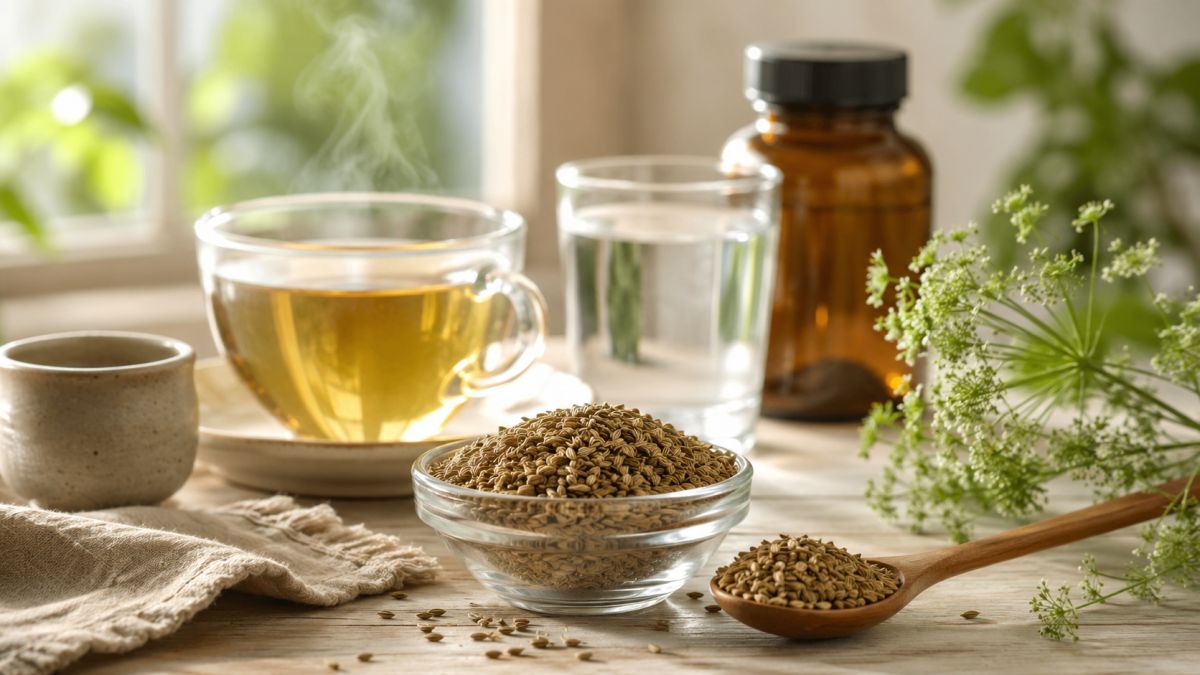
Anise, scientifically known as Pimpinella anisum, is a traditional herb commonly used as a tea for digestion, gas, bloating, and throat comfort during cough. It is also frequently mentioned in home remedies for babies and breastfeeding, but these specific uses require more caution in both safety and wording.
Anise may help some people with mild symptoms, especially when used as a simple tea by adults. However, it is not a treatment for cough, irritable bowel syndrome, infant colic, low milk supply, asthma, or digestive disease. Anise essential oil is also very different from anise tea and requires much more caution.
What Is Anise?
Anise is a flowering plant from the Apiaceae family, the same botanical family that includes fennel, caraway, celery, coriander, and dill. The part most commonly used is the dried fruit, often called “anise seeds” in everyday language.
Anise has a sweet, licorice-like flavor because it contains aromatic compounds, especially anethole. It is used in herbal tea, certain foods and sweets, some cough syrups, and traditional digestive preparations. However, anise should not be confused with star anise, because they are different plants despite their similar flavor.
Anise Benefits: Why Do People Use It?
Most searches about anise focus on digestion, cough, babies, breastfeeding, and sleep. Common traditional uses include:
- Gas and bloating: Anise tea is traditionally used after meals for digestive comfort.
- Mild indigestion: Some people use it for fullness or stomach discomfort.
- Cough and throat comfort: It is traditionally used in some preparations related to cough and throat soothing.
- Breastfeeding claims: It is sometimes described as a galactagogue, but evidence is limited and safety needs careful consideration.
- Flavor and food use: It is used as a spice in some foods and sweets.
The key point is not to overstate the benefit. Anise may support mild comfort in some situations, but it does not treat asthma, pneumonia, bronchitis, irritable bowel syndrome, reflux, infant colic, or breastfeeding problems.
Anise for Digestion: Gas, Bloating, and Stomach Comfort
Anise is commonly used as a warm herbal drink after meals. In some people, it may help reduce gas, bloating, or a feeling of fullness. Its effect may be related to the warmth of the drink, traditional use of aromatic herbs for digestion, and the routine of drinking a caffeine-free tea.
Digestive symptoms can have many causes. Gas and bloating may be related to food intolerances, constipation, irritable bowel syndrome, eating quickly, carbonated drinks, stress, or changes in the gut microbiome.
When gas is repeated with abdominal pain, diarrhea, or constipation, a low FODMAP diet may help explain how certain fermentable carbohydrates contribute to IBS symptoms, instead of reducing the solution to herbal tea alone.
Because aromatic herbs are often used after meals, anise can also be compared with nearby options such as caraway for gas and bloating or mint for digestion and refreshment, while remembering that each herb has its own precautions.
For broader digestive balance, understanding the difference between probiotics, prebiotics, and postbiotics may be useful when comparing herbs with other food-based options related to the gut microbiome.
Anise for Cough: What Is Realistic?
Anise is traditionally used in some cultures for cough, throat irritation, and mucus comfort. Warm anise tea may make the throat feel more comfortable during mild irritation, but this does not mean that anise treats the cause of cough.
Cough may be caused by a cold, allergy, asthma, gastroesophageal reflux, postnasal drip, infection, medication side effects, or lung disease. If a cough is severe, lasts more than a few weeks, or is accompanied by fever, chest pain, shortness of breath, wheezing, blood, or unexplained weight loss, medical evaluation is needed.
When cough is chronic or respiratory symptoms persist, herbs are not enough; understanding conditions such as chronic obstructive pulmonary disease shows why ongoing breathing symptoms should not be managed with home remedies alone.
Anise for Babies: Why Caution Matters
In many Arab households, anise tea is used for infant colic, gas, or sleep. However, babies are not the same as adults. Their bodies handle herbs and essential oils differently, and giving herbal tea may affect feeding, especially in the first months of life.
Anise oil requires much greater caution in babies. Essential oils are far more concentrated than tea and may carry higher risks in infants and young children.
If a baby has severe crying, vomiting, poor feeding, fever, diarrhea, poor weight gain, blood in the stool, or signs of dehydration, parents should contact a pediatrician instead of relying on herbal tea.
Does Anise Increase Breast Milk Supply?
Anise is sometimes promoted as a natural way to increase milk supply in breastfeeding mothers. However, the evidence is not strong enough to consider this a guaranteed benefit. LactMed notes that a meta-analysis found a small increase in milk volume in some postpartum cases, but the certainty of evidence was low, and galactagogues should not replace assessment of modifiable causes of low milk supply.
Milk supply can be affected by many factors, including latch, feeding frequency, pumping technique, hydration, sleep, stress, maternal health, infant health, medications, and hormonal factors. A lactation consultant or healthcare professional can help identify the real cause.
Breastfeeding mothers should be cautious with concentrated anise products, essential oils, and multi-herb lactation blends, especially if the baby is premature, has a medical condition, or has feeding difficulty.
Anise Tea vs. Anise Oil: What Is the Difference?
Anise tea and anise essential oil are not the same. Tea is usually prepared by steeping dried anise seeds in hot water. Essential oil is concentrated and contains much higher amounts of aromatic compounds.
| Form | Common Use | Safety Note |
|---|---|---|
| Anise as a spice | Used in foods and sweets | Exposure is usually lower when used in food amounts |
| Anise tea | Used for mild digestion or throat comfort | Should not be used to hide persistent symptoms |
| Anise extracts | Found in some herbal products | May be more concentrated and require caution |
| Anise essential oil | Used in specific preparations | Highly concentrated; not suitable for babies, pregnancy, or internal use without professional supervision |
In typical home use, people usually mean anise as a spice or tea. Essential oil should not be taken randomly, given to children, or used during pregnancy without professional supervision.
Anise and Star Anise: Are They the Same?
Anise and star anise are not the same plant. Anise is Pimpinella anisum, while star anise usually refers to Illicium verum. They may taste similar because they contain anethole, but their safety profile and contamination risks differ.
Health Canada previously warned consumers about teas and products containing star anise when they could not confirm that the product contained Chinese star anise, due to concern about contamination with toxic Japanese star anise. This warning applies to star anise, not regular anise, but it highlights the importance of knowing the exact herb being used.
Who Should Use Anise With Caution?
Anise may be suitable for many adults when used occasionally in food or as tea, but several situations require clear caution.
- Babies and young children: Herbal teas should not be used routinely without a pediatrician’s advice.
- Pregnancy: Food use is different from medicinal use; regular tea, extracts, or oils require professional guidance.
- Breastfeeding: Anise should not be relied on to manage low milk supply without professional assessment.
- Allergy: Avoid anise if you are allergic to it or related plants such as fennel, caraway, celery, coriander, or dill.
- Hormone-sensitive conditions: Medicinal use should be discussed with a professional because anise contains compounds that may show estrogen-like activity in some contexts.
- Medication use: People taking blood thinners, hormone therapies, or multiple medications should ask a professional before using concentrated products.
Anise Side Effects and Possible Risks
Anise may cause side effects, especially with concentrated products, essential oils, excessive use, or use in sensitive groups.
- Allergic reactions such as rash, itching, swelling, or difficulty breathing.
- Nausea or stomach discomfort.
- Skin reactions in some people.
- Possible photosensitivity concerns with some preparations.
- Higher risks with essential oils, especially in babies and children.
- Possible interactions with certain medications or hormone-sensitive conditions.
Common Mistakes When Using Anise
Mistake 1: Anise Tea Is Safe for All Babies
Babies are more sensitive to herbs. Herbal tea should not be used routinely for babies without a pediatrician’s advice, especially in the first months of life.
Mistake 2: Anise Treats Cough
Anise may soothe the throat during mild irritation, but it does not treat the cause of cough. Persistent or severe cough needs medical evaluation.
Mistake 3: Anise Always Increases Milk Supply
Evidence is limited and low-certainty. Low milk supply needs evaluation by a lactation consultant or healthcare professional.
Mistake 4: Anise Oil Is Just Stronger Tea
Anise oil is concentrated and carries higher risks. It should not be used like tea, especially for children, during pregnancy, or for internal use.
When Is Anise Not Enough?
Do not rely on anise alone if symptoms are severe, persistent, or unusual. Seek medical advice if you have:
- A cough lasting more than a few weeks.
- Shortness of breath, wheezing, or chest pain.
- Fever, blood in sputum, or unexplained weight loss.
- Severe or recurrent abdominal pain.
- Blood in stool or ongoing vomiting.
- A baby with poor feeding, fever, dehydration, or poor weight gain.
- Low milk supply affecting the baby’s feeding or growth.
People who prefer warm herbal drinks may also compare anise with chamomile for relaxation and digestive health or lemon balm for calm sleep and stress relief, especially when digestive discomfort is linked to stress or poor sleep.
Anise can also be placed within the wider context of herbal teas for stress, digestion, and immunity, while remembering that herbs may support mild comfort but do not replace diagnosis when symptoms persist.
Conclusion
Anise is a traditional herb used for mild digestion, gas, bloating, and throat comfort during cough. It may be helpful for some adults when used moderately as tea or as a spice in food. However, it is not a treatment for irritable bowel syndrome, chronic cough, asthma, infant colic, or breastfeeding problems.
Safety depends on the person and the form used. Anise tea is different from anise essential oil. Extra caution is needed with babies, pregnancy, breastfeeding, allergies, hormone-sensitive conditions, and medication use. When symptoms persist or become severe, medical evaluation is safer than relying on herbs.
Frequently Asked Questions
What is anise used for?
Anise is traditionally used for mild digestion, gas, bloating, and throat comfort during cough.
Is anise good for digestion?
It may help with mild gas or bloating in some adults, but it does not treat persistent digestive diseases.
Is anise good for cough?
It may soothe the throat during a mild cough, but persistent or severe cough needs medical evaluation.
Can anise be given to babies?
Anise tea should not be given regularly to babies without a pediatrician’s advice.
Does anise increase breast milk supply?
Some evidence suggests a possible small effect, but certainty is low and it does not replace breastfeeding assessment.
Is anise safe during pregnancy?
Food-level use is different from medicinal use. Pregnant women should consult a healthcare professional before regular tea, extracts, or oils.
What is the difference between anise and star anise?
They are different plants. Star anise requires extra caution because some products have been reported to be contaminated with toxic species.
Can anise cause allergy?
Yes. It may cause allergy in people sensitive to anise or related plants such as fennel, caraway, celery, coriander, or dill.
Is anise oil safe?
Anise oil is concentrated and should not be taken randomly or used for babies, children, or during pregnancy without professional supervision.
When should I see a doctor instead of using anise?
If cough, breathing symptoms, digestive symptoms, or baby feeding problems are severe, persistent, or worsening.