Moringa: The Superfood for Health, Wellness, and Vitality
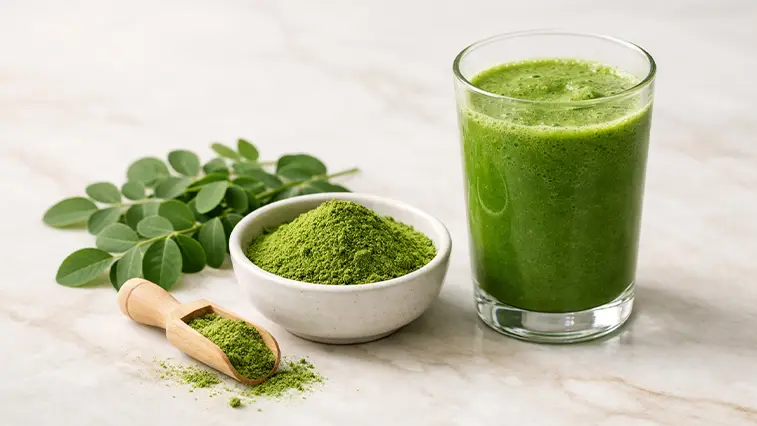
Moringa Benefits for Health, Energy, and Wellness
Moringa (Moringa oleifera) is a nutrient-rich plant often called the “miracle tree” because of its traditional food uses and its concentration of vitamins, minerals, and plant compounds. Many people search for moringa nutritional benefits because of its possible role in supporting energy, immunity, digestion, and overall wellness.
However, one point must be clear from the beginning: moringa is not a treatment for disease, and it should not replace a balanced diet or medical care. It may be a helpful dietary addition for some people, but its effect depends on overall diet quality, health status, dose, product quality, and form of use.
In this article, we explain what moringa is, its main nutrients, its potential benefits for the body, how to use moringa powder, tea, and capsules, and the key safety warnings for people taking diabetes, blood pressure, or thyroid medications, as well as during pregnancy and breastfeeding.
Key Takeaways
- Moringa is a nutrient-dense plant, especially when its leaves are dried and used as powder in food.
- It may support diet quality, energy, immune function, and digestion indirectly, but it is not a treatment for any disease.
- Human evidence for benefits such as blood sugar, cholesterol, or weight support remains limited and should not be overstated.
- Moringa powder is closer to food use, while capsules and extracts are more concentrated and require more caution.
- Caution is needed during pregnancy and breastfeeding, and with diabetes medications, blood pressure medications, thyroid medications, and chronic conditions.
What Is Moringa?
Moringa is a plant that grows in tropical and subtropical regions. Its leaves, seeds, and oil are used in some cultures as food or as part of traditional wellness practices. Moringa leaves are the most common part used in dietary supplements and are often dried and ground into a green powder that can be added to food or drinks.
For a starting point inside the same ingredient cluster, you can visit Vitaminati’s moringa herb page, then explore related moringa and herbal supplement topics from there.
Moringa contains a mix of vitamins, minerals, fiber, protein, and plant compounds. Its actual nutritional value can vary depending on the plant part used, drying method, storage conditions, product quality, and serving size.
Why Is Moringa Called a Superfood?
Moringa is sometimes called a “superfood” because it contains several nutrients in a relatively small amount, especially when the leaves are dried into powder. Still, “superfood” is not a precise medical term, and it does not mean moringa can cover all nutritional needs by itself.
A better way to understand moringa is as a nutrient-dense plant food that may help improve the quality of a diet when used in moderation. It is not a replacement for vegetables, protein foods, whole grains, healthy fats, or medical treatment when needed.
If your interest in moringa is mainly about weight control and appetite, Vitaminati also covers moringa for weight management.
Moringa Nutritional Profile
Moringa leaves may contain several important nutrients, especially when dried and ground. Some of the most discussed nutrients include:
| Nutrient | Role in the Body | Important Note |
|---|---|---|
| Vitamin A | Supports vision, immune function, and skin health. | The amount varies by leaf quality and preparation method. |
| Vitamin C | Supports immune function, collagen formation, and antioxidant defense. | May be affected by heat and storage. |
| Iron | Helps form hemoglobin and transport oxygen. | Does not treat anemia without identifying the cause and absorption status. |
| Calcium and magnesium | Support bones, muscles, and nerves. | Do not replace a balanced diet or treatment for a confirmed deficiency. |
| Potassium | Supports fluid balance and normal muscle and nerve function. | People with kidney disease may need to monitor potassium intake. |
| Plant compounds | Include polyphenols and flavonoids with antioxidant activity. | Antioxidants do not guarantee disease prevention or treatment. |
Potential Moringa Benefits for the Body
Moringa benefits are mainly connected to its nutritional content and plant compounds. However, careful language matters. Moringa may support health indirectly, but it should not be presented as a cure or medical treatment.
| Potential Benefit | How It May Support the Body | Evidence Limit |
|---|---|---|
| Diet quality support | Adds nutrients and plant compounds to meals. | Does not compensate for poor diet quality or low protein intake. |
| Immune support | Contains nutrients and plant compounds linked with immune function. | Does not prevent infections or replace sleep, nutrition, or vaccines when needed. |
| Energy support | Nutrients such as iron and magnesium are involved in energy metabolism. | Does not treat chronic fatigue without identifying the cause. |
| Digestive support | Fiber may support bowel movement and fullness. | May cause digestive discomfort in some people. |
| Antioxidant support | Contains plant compounds that help the body manage oxidative stress. | Does not prove guaranteed prevention of chronic disease. |
Moringa and Immunity: Does It Really Boost the Immune System?
Moringa may support immune function indirectly because it contains nutrients and plant compounds. Nutrients such as vitamin A, vitamin C, iron, and zinc are involved in normal immune function, but the presence of these nutrients does not mean moringa “boosts immunity” in a guaranteed way.
Immune health depends on a complete lifestyle: balanced nutrition, enough sleep, regular movement, stress management, hydration, and treatment of confirmed nutrient deficiencies when needed. Moringa can be part of this pattern, but it is not a substitute for it.
If you are interested in herbal drinks connected with digestion and immune support, you can read Vitaminati’s guide to the best herbal teas for stress, digestion, and immunity.
Moringa and Energy: When Might It Be Useful?
Some people use moringa for energy support because of its nutrient content. This may make sense when overall diet quality is low or when meals lack nutrient-dense foods. However, moringa is not a stimulant like caffeine and does not treat fatigue caused by anemia, thyroid problems, poor sleep, chronic stress, or an undiagnosed medical condition.
If fatigue is persistent or severe, it is better to look for the cause instead of relying on one supplement. Depending on the situation, it may be useful to assess iron, vitamin B12, vitamin D, thyroid function, sleep quality, and stress levels.
For another nutrient often discussed in energy and heart-related wellness, Vitaminati’s article on Coenzyme Q10 benefits for heart health, energy, and fertility may be helpful.
Moringa and Heart Health: What Can You Expect?
Moringa contains nutrients and plant compounds that may fit within a heart-healthy eating pattern. However, it does not treat high blood pressure, high cholesterol, or coronary artery disease. Some studies have explored its possible effects on cardiometabolic markers, but human evidence remains limited and inconsistent.
Heart health depends on controlling blood pressure, blood sugar, cholesterol, smoking exposure, weight, physical activity, and overall diet quality. Moringa may be a small addition, but it should not replace medication or medical follow-up.
For a broader heart-health foundation, you can read Vitaminati’s guide to coronary artery disease causes, symptoms, and prevention tips. You may also compare another food-based approach in garlic and heart health within a balanced lifestyle.
Moringa and Blood Sugar: Can It Support Balance?
Moringa is sometimes studied for possible effects on blood sugar and metabolic markers. However, human evidence is not strong enough to use moringa as a treatment for diabetes or insulin resistance. It should not replace diabetes medication or blood sugar monitoring.
If you have diabetes or take glucose-lowering medication, ask a doctor or pharmacist before using moringa supplements or high doses. You may need closer glucose monitoring when adding any supplement regularly.
For comparison with other herbs linked to blood sugar, you can read Vitaminati’s articles on ginger benefits for type 2 diabetes, fenugreek benefits for blood sugar and weight management, and cinnamon nutritional benefits and health uses.
Moringa and Digestion: Can It Support Gut Health?
Moringa leaves contain fiber, which may support bowel movement and fullness. However, higher amounts may cause bloating, gas, or diarrhea in some people, especially when introduced suddenly.
It is better to add moringa gradually and mix it with food rather than taking large amounts at once. Healthy digestion also depends on water intake, varied fiber sources, regular movement, fewer ultra-processed foods, and good sleep.
For another herb often discussed for digestion and daily wellness, see Vitaminati’s article on ginger for digestion, immunity, and daily activity.
Moringa for Skin and Hair: What Is the Reality?
Moringa is sometimes used in skin and hair products because it contains plant oils, antioxidants, and nutrients. Moringa oil may help moisturize the skin for some people, while moringa powder may support overall nutrition if the diet is lacking.
However, there is not enough evidence to say that moringa treats acne, eczema, or hair loss. Skin and hair concerns may be related to hormones, nutrition, sleep, stress, allergies, or skin conditions that need proper evaluation.
If you are comparing plant-based skincare ingredients, Vitaminati also covers aloe vera benefits for soothing, hydrating, and supporting skin health.
Moringa and Weight Management: Can It Help?
Moringa may support weight management indirectly through fiber, nutrients, and fullness, but it is not a fat burner and does not cause weight loss automatically. Weight management depends on calories, food quality, physical activity, sleep, hormones, and medications.
If weight is the goal, use moringa as a small addition inside balanced meals, not as a drink or supplement you rely on alone. You can read Vitaminati’s article on challenges in weight management and cholesterol control for a wider view.
What Is the Best Form of Moringa?
Moringa is available in several forms, and each form has a different use and concentration.
| Form | How It Is Used | Important Note |
|---|---|---|
| Moringa powder | Added to yogurt, soups, smoothies, or unsweetened drinks. | Best used as a moderate food addition, not as a meal replacement. |
| Moringa tea | Prepared from dried leaves. | A light option, but its value depends on the whole diet. |
| Moringa capsules | Supplements with a product-specific dose. | More concentrated and requires caution with medications and chronic conditions. |
| Moringa oil | Often used topically in skin and hair products. | Patch testing is recommended before applying it to the skin. |
| Fresh leaves | Used in cooking in some countries. | Safety depends on source, hygiene, and preparation. |
How to Add Moringa to Your Diet
Moringa can be used in simple ways, as long as it does not become a high-sugar drink or replace balanced meals.
- Add half a teaspoon to one teaspoon of moringa powder to unsweetened yogurt.
- Blend it into a smoothie with whole fruit, vegetables, and protein instead of sugary juice.
- Add it to soups after cooking to reduce exposure to high heat.
- Use moringa tea as an unsweetened herbal drink in a moderate routine.
- Do not use it as a complete meal replacement or the only source of nutrients.
Can You Use Moringa Every Day?
Some people may tolerate moderate food amounts of moringa daily, but daily use is not suitable for everyone. There is a major difference between adding a small amount to food and taking concentrated capsules every day.
If you take diabetes medication, blood pressure medication, thyroid medication, or have chronic liver or kidney disease, ask a healthcare professional before regular use or supplement use.
Moringa Side Effects and Safety Warnings
Although moringa is used as food in some cultures, supplements or high doses may cause side effects or interactions in some people.
| Warning | Why It Matters | Who Should Be Careful? |
|---|---|---|
| Pregnancy and breastfeeding | Safety data are limited, and some plant parts may not be appropriate. | Pregnant and breastfeeding women, especially with supplements or extracts. |
| Diabetes medication | Moringa may affect blood sugar in some people. | People with diabetes or those taking glucose-lowering medication. |
| Blood pressure medication | Moringa may affect blood pressure in some people. | People taking blood pressure medication or those with recurrent low blood pressure. |
| Thyroid or chronic medications | Possible interactions may depend on product, dose, and health status. | People taking daily medications or multiple supplements. |
| Digestive upset | May cause nausea, bloating, diarrhea, or cramps. | People with sensitive digestion or those starting with high amounts suddenly. |
Who Should Ask a Doctor Before Using Moringa?
- Pregnant or breastfeeding women.
- People with diabetes or those using insulin or glucose-lowering medication.
- People taking blood pressure medication or those with frequent low blood pressure.
- People with liver or kidney disease.
- People taking thyroid medication or several chronic medications.
- Children, unless a healthcare professional recommends it.
- People who develop allergy symptoms such as rash, swelling, or breathing difficulty.
Conclusion: Is Moringa Worth Adding to Your Diet?
Moringa nutritional benefits make it an interesting addition to some eating patterns, especially when used as powder or leaves in balanced meals. It may support diet quality, fullness, digestion, and some aspects of energy and immune function indirectly.
However, moringa is not a treatment for diabetes, obesity, heart disease, skin conditions, or chronic fatigue. Supplements and high doses require caution, especially during pregnancy and breastfeeding, with diabetes medications, blood pressure medications, and chronic health conditions.
The main rule is simple: use moringa as a supportive food ingredient inside a balanced diet, not as a replacement for varied nutrition or medical care when needed.
Frequently Asked Questions About Moringa
What are the main benefits of moringa?
Moringa may support diet quality, fullness, energy, digestion, and immune function indirectly because it contains nutrients and plant compounds.
Is moringa really a superfood?
It is often called a superfood because of its nutrient density, but that does not mean it works alone or treats disease.
Does moringa help with weight loss?
Moringa may support weight management indirectly through fullness and diet quality, but it does not burn fat or cause weight loss on its own.
Is moringa good for immunity?
Moringa may support normal immune function as part of a healthy diet, but it does not prevent infections or replace a healthy lifestyle.
Is moringa good for blood sugar?
Moringa may affect some glucose markers in some people, but evidence is not strong enough to use it as a diabetes treatment. People with diabetes should ask a professional before using supplements.
Can you drink moringa tea every day?
Some people may tolerate it in moderate amounts, but daily regular use is not suitable for everyone, especially with medications or chronic conditions.
Which is better: moringa powder or capsules?
Moringa powder is closer to food use and can be added to meals, while capsules are more concentrated and require more caution with medications or health conditions.
Is moringa safe during pregnancy?
Moringa supplements or extracts are not recommended during pregnancy without medical approval because safety data are limited and interactions may be possible.
Can moringa cause digestive upset?
Yes. It may cause nausea, bloating, diarrhea, or cramps in some people, especially when taken in large amounts suddenly.
Can moringa interact with medications?
Yes. Moringa may interact with blood sugar or blood pressure medications and may affect drug metabolism. Ask a doctor or pharmacist before regular use if you take daily medication.
Scientific References
- Memorial Sloan Kettering Cancer Center – Moringa oleifera
- Effects of Moringa oleifera Supplementation on Cardiometabolic Outcomes: A Meta-Analysis of Randomized Controlled Trials with GRADE Assessment
- Effects of Moringa oleifera Lam. Supplementation on Cardiometabolic Outcomes
- Review of the Safety and Efficacy of Moringa oleifera
- Moringa oleifera: An Updated Comprehensive Review of Its Pharmacological Activities
Medical disclaimer: This article is for general educational purposes only and does not replace medical advice. If you have diabetes, take blood pressure or thyroid medication, have a chronic condition, or are pregnant or breastfeeding, consult a healthcare professional before using moringa supplements or high doses.