FERROTRON Sachet: Amino Acid Chelated Iron Formula for Better Absorption
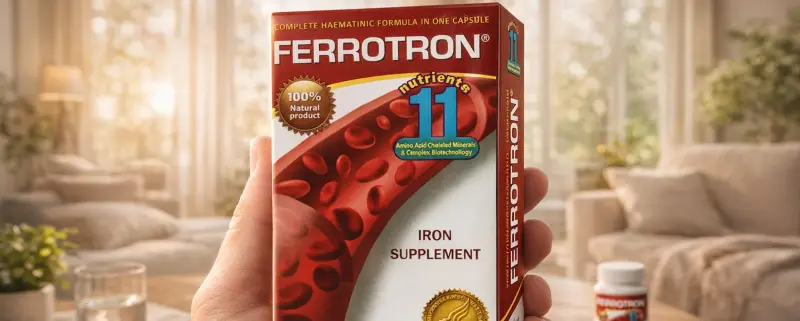
FERROTRON is a dietary supplement designed to support the body’s iron needs and nutrients related to blood health. It combines amino acid chelated iron with supportive nutrients such as vitamin C, B vitamins, zinc, copper, and molybdenum to help support hemoglobin and red blood cell formation when there is a nutritional need or confirmed deficiency.
Iron is essential for forming hemoglobin, the protein in red blood cells that carries oxygen throughout the body. When iron levels remain low for long enough, iron stores may decline first, followed by changes in hemoglobin. This can lead to symptoms such as fatigue, shortness of breath, palpitations, pale skin, dizziness, and poor concentration.
What Is FERROTRON?
FERROTRON is a blood-support formula that contains amino acid chelated iron. In this form, iron is bound to organic molecules such as amino acids, which may help improve stomach tolerance for some people compared with certain traditional iron salts such as ferrous sulfate or ferrous fumarate.
In addition to iron, the formula includes nutrients involved in red blood cell formation, iron utilization, and metabolism. This makes FERROTRON more than a simple iron-only supplement, as it combines iron with several supportive micronutrients.
To understand the signs of low iron, you can read Vitaminati’s article on 9 signs of iron deficiency and its main causes. You can also read about the ferritin blood test to better understand iron stores.
How Does Iron Support Hemoglobin and Red Blood Cells?
Iron is one of the essential building blocks of hemoglobin. When the body does not receive enough iron, or when iron is lost through bleeding or poor absorption, it may struggle to produce enough healthy red blood cells.
However, iron is not the only nutrient involved. The body also needs certain vitamins and trace minerals to support normal red blood cell formation, which is why some blood-support formulas include nutrients beyond iron.
- Vitamin B12: supports red blood cell formation and nerve health.
- Folate / Vitamin B9: contributes to DNA synthesis and red blood cell formation.
- Vitamin B6: participates in metabolic pathways related to hemoglobin formation.
- Vitamin C: helps improve absorption of non-heme iron.
- Copper: contributes to processes related to iron transport and utilization.
- Zinc and molybdenum: support several enzyme-related and metabolic processes.
What Is Amino Acid Chelated Iron?
Amino acid chelated iron is a form of iron in which the mineral is bound to organic molecules such as amino acids. The purpose of this formulation is to support absorption and improve digestive tolerance for some users.
Some chelated iron forms may be gentler on the stomach than certain traditional iron salts. However, this does not mean they are free from side effects or suitable for everyone. Individual tolerance depends on the dose, the form of iron, the presence of true deficiency, and digestive sensitivity.
FERROTRON vs Traditional Iron Supplements
Many iron supplements use forms such as ferrous sulfate, ferrous fumarate, or ferrous gluconate. These forms can be effective, but some people experience digestive side effects such as constipation, nausea, stomach pain, or dark stools.
Chelated iron formulas may be useful for individuals who have difficulty tolerating certain iron salts. Still, the best iron supplement depends on lab results, tolerance, dosage, and the reason iron is needed.
- May be gentler on the stomach for some people.
- May support better adherence when traditional iron causes digestive discomfort.
- Does not replace investigation of the cause of iron deficiency.
- Should not be combined with other iron supplements unless advised by a healthcare professional.
FERROTRON Ingredients and Their Roles
1. Iron
Iron is necessary for hemoglobin and red blood cell formation. Low iron may first appear as low ferritin, then later progress to iron deficiency anemia if the deficiency becomes significant enough to affect hemoglobin production.
2. Vitamin C
Vitamin C helps improve the absorption of non-heme iron in the intestine. This is why vitamin C-rich foods such as oranges, lemon, kiwi, tomatoes, and red bell pepper are often recommended with plant-based iron sources.
You can learn more in Vitaminati’s article on vitamin C benefits.
3. B Vitamins
Some B vitamins are important for blood health. Vitamin B12 and folate are necessary for normal red blood cell formation, and deficiencies in these vitamins may cause types of anemia that differ from iron deficiency anemia.
4. Copper
Copper is involved in processes related to iron transport and utilization. Although the body needs it in small amounts, balance matters because both deficiency and excess can be associated with health concerns.
5. Zinc and Molybdenum
Zinc and molybdenum are trace minerals involved in several enzyme systems and metabolic processes. Their inclusion in blood-support formulas may help support broader nutritional balance, but high doses should not be used without need.
Who May Need an Iron Supplement Like FERROTRON?
Iron supplements may be useful when deficiency is confirmed or when iron needs are higher. However, use should ideally be guided by a doctor or pharmacist. Groups that may need iron assessment include:
- People with iron deficiency anemia or low ferritin.
- Women of reproductive age, especially with heavy menstrual bleeding.
- Pregnant or breastfeeding women, under professional guidance.
- People recovering after blood loss or certain surgeries.
- Vegetarians or those with diets low in iron-rich foods.
- People with malabsorption or chronic digestive conditions.
- Some people with kidney disease or chronic illness, within a medical plan.
For more information on risk groups, read Vitaminati’s article on iron deficiency symptoms in women.
Iron Deficiency vs Anemia: What Is the Difference?
Iron deficiency means the body’s iron stores are becoming low. This may appear as low ferritin before hemoglobin drops. Iron deficiency anemia occurs when low iron becomes significant enough to reduce red blood cell and hemoglobin production.
This means a person may have low iron stores even when a complete blood count does not yet show clear anemia. That is why hemoglobin alone may not always tell the full story.
How to Use FERROTRON
Follow the product label or the instructions given by your doctor or pharmacist. In general, iron supplements are often taken once daily or as medically needed, but the dose depends on deficiency severity, age, pregnancy status, tolerance, and the specific product.
- Take it away from tea and coffee, as they may reduce iron absorption.
- Avoid taking it at the same time as calcium, milk, or calcium supplements.
- Take it with food if it causes nausea or stomach pain.
- Do not combine more than one iron supplement unless advised.
- Keep iron supplements out of children’s reach.
Possible Side Effects of Iron Supplements
Even formulas designed to be gentler on the stomach may still cause side effects in some people. Possible side effects include:
- Constipation or diarrhea.
- Nausea or stomach pain.
- Heartburn or indigestion.
- Abdominal cramps or discomfort.
- Dark stools, which are often harmless with iron supplements.
If symptoms are severe or persistent, speak with a doctor or pharmacist about adjusting the dose, timing, or type of iron supplement.
Important Warnings Before Using FERROTRON
Iron supplements are not suitable for everyone. Ask a healthcare professional before using them in the following situations:
- Iron overload disorders such as hemochromatosis.
- Pregnancy or breastfeeding.
- Liver disease, kidney disease, or chronic illness.
- Use of regular medications that may interact with iron.
- Severe stomach pain, bleeding, or unexplained digestive symptoms.
- Use of other supplements that already contain iron.
Iron Interactions With Food and Medication
Iron absorption may be affected by certain foods, drinks, and medicines. Timing is important.
- Tea and coffee: should usually be separated from iron supplements.
- Calcium and dairy products: may reduce iron absorption when taken together.
- Some antibiotics: may interact with iron and require spacing.
- Thyroid medication: may need to be separated from iron.
- Antacids: may affect absorption of some forms of iron.
Ask your doctor or pharmacist about proper spacing if you take regular medications.
Natural Sources of Iron Alongside Supplements
Even when an iron supplement is used, diet remains important for supporting iron stores and blood health. Iron sources include:
Heme Iron Sources
- Red meat.
- Chicken and turkey.
- Fish and seafood.
- Liver, with caution during pregnancy unless medically advised.
Non-Heme Iron Sources
- Lentils, chickpeas, and beans.
- Spinach and leafy greens.
- Tahini, sesame seeds, and pumpkin seeds.
- Oats and whole grains.
- Iron-fortified foods.
Pairing plant-based iron sources with vitamin C may help improve absorption. You can also read Vitaminati’s article on iron during Ramadan for practical tips on iron timing and absorption.
Common Mistakes When Using Iron Supplements
- Using iron only because of fatigue without testing.
- Combining more than one supplement that contains iron.
- Taking iron directly with tea or coffee.
- Stopping because of dark stools without asking a professional.
- Using iron during pregnancy without medical follow-up.
- Ignoring the cause of low iron, such as heavy periods, digestive bleeding, or malabsorption.
FAQs
1. What is FERROTRON?
FERROTRON is a supplement containing amino acid chelated iron with supportive nutrients such as vitamin C, B vitamins, zinc, copper, and molybdenum to support blood health when needed.
2. Does FERROTRON treat anemia?
It should not be considered a direct treatment without diagnosis. It may support iron needs when deficiency is present, but anemia treatment depends on the cause, lab results, and medical advice.
3. Is chelated iron better for the stomach?
It may be gentler for some people than certain traditional iron salts, but individual tolerance varies depending on the person, dose, and product type.
4. Why does FERROTRON contain vitamin C?
Vitamin C helps improve the absorption of non-heme iron, which is why it is often included in iron-support formulas.
5. Can FERROTRON be used during pregnancy?
Iron supplements during pregnancy should only be used under doctor or pharmacist guidance because dosage and need depend on lab results and health status.
6. Can FERROTRON cause constipation?
It may be gentler for some users, but any iron supplement may cause constipation or digestive discomfort depending on individual tolerance.
7. When should FERROTRON be taken?
Follow the product label or professional advice. In general, iron is taken away from tea, coffee, and calcium, and may be taken with food if it causes nausea.
8. When should ferritin be tested?
A doctor may request ferritin testing when symptoms such as persistent fatigue, pale skin, dizziness, hair shedding, palpitations, heavy periods, or previous low iron are present.
Conclusion
FERROTRON is an amino acid chelated iron supplement that combines iron with supportive nutrients such as vitamin C, B vitamins, zinc, copper, and molybdenum. It may be useful for supporting iron needs when deficiency or increased need is present, especially for people who do not tolerate certain traditional iron supplements well.
However, iron supplements should not be used randomly. Fatigue, hair shedding, and poor concentration may have many causes, so testing such as CBC and ferritin, along with professional guidance, can help determine the right dose, duration, and supplement type.