Immune-Boosting Vitamins in Ramadan
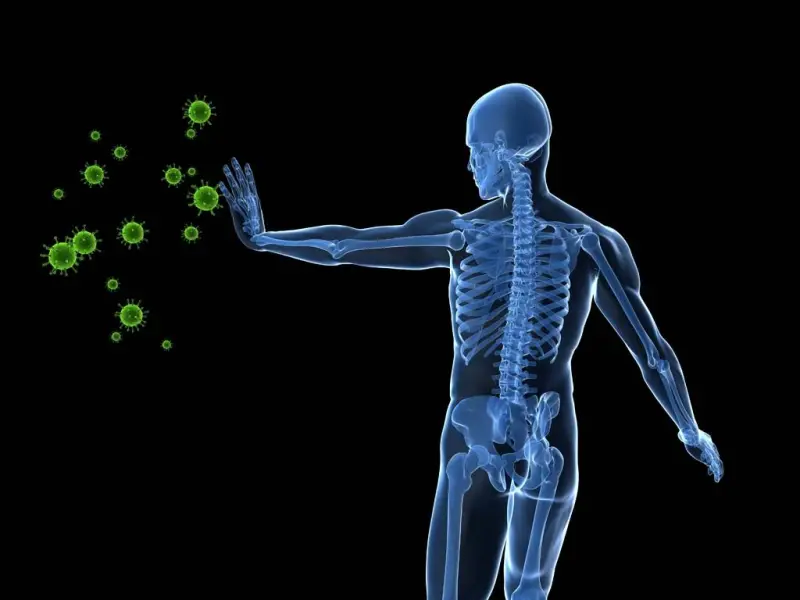
Many people look for ways to support immunity during Ramadan, especially because fasting changes meal timing, hydration habits, sleep routines, and daily energy levels. But immune support during Ramadan does not require complicated routines or large numbers of supplements. It starts with the basics: balanced meals, enough fluids between iftar and suhoor, good sleep, and key vitamins and minerals from food whenever possible.
Nutrients such as vitamin C, vitamin D, zinc, and selenium help support normal immune function, but they do not act as guaranteed protection against infections. That is why Ramadan immunity should be approached as part of a complete lifestyle: food quality, hydration, sleep, movement, and safe supplement use when needed.
How Does Fasting Affect Immunity?
Fasting itself is not usually harmful to immune function in healthy adults. The bigger issue is often what happens around fasting: sleeping too little, drinking too little water, overeating at iftar, skipping suhoor, or relying heavily on sweets and fried foods.
With good planning between iftar and suhoor, a fasting person can still meet their needs for energy, protein, vitamins, and minerals. However, when meals are low in nutrients and high in sugar, fatigue, headaches, digestive discomfort, and low energy may become more common.
- Low fluid intake may contribute to mild dehydration, headaches, and tiredness.
- Poor sleep may affect energy, appetite regulation, and overall resilience.
- Too many sweets may cause quick energy spikes followed by crashes.
- Low protein and low vegetable intake may reduce overall diet quality.
Important Vitamins and Minerals for Immunity During Ramadan
There is no single “best” vitamin for immunity. The immune system depends on many nutrients working together. When discussing the best vitamins during Ramadan, it is more accurate to focus on nutrients that people may miss when their routine changes.
It also helps to understand the difference between vitamins and minerals, because nutrients such as zinc and selenium are minerals, not vitamins, yet they are still important for immune function.
Vitamin C During Ramadan: Immune Function and Antioxidant Support
Vitamin C during Ramadan is one of the most searched immune-support nutrients. Vitamin C contributes to the function of immune cells, supports collagen formation, helps the body absorb non-heme iron from plant foods, and acts as an antioxidant that helps protect cells from oxidative stress.
Still, vitamin C should not be presented as a guaranteed way to prevent colds or infections. Evidence suggests regular vitamin C intake may slightly reduce the duration of cold symptoms in some people, but food quality and overall health habits remain essential.
Good Ramadan-friendly sources of vitamin C include:
- Oranges, mandarins, grapefruit, and kiwi.
- Strawberries, mango, and guava.
- Bell peppers, broccoli, parsley, and leafy greens.
- Fresh salad with lemon juice at iftar.
For more detail, read Vitaminati’s guide on vitamin C benefits and the best natural sources of vitamin C.
Vitamin D During Ramadan: Immunity, Bones, and Sun Exposure
Vitamin D is important for bone and muscle health, and it also helps regulate some immune functions. During Ramadan, some people may get less sun exposure because they sleep later, stay indoors during the day, or go out mainly after sunset. This makes vitamin D during Ramadan especially relevant for people who already have low vitamin D levels.
Vitamin D sources include sunlight exposure, fatty fish, egg yolks, fortified foods, and supplements when needed. However, many people cannot get enough vitamin D from food alone, so testing and professional guidance may be useful if deficiency is suspected.
If a vitamin D supplement is needed, it is usually best taken with iftar or suhoor as part of a meal containing healthy fats such as olive oil, eggs, avocado, nuts, or full-fat dairy, because vitamin D is fat-soluble.
For a more focused Ramadan guide, read vitamin D during Ramadan, or explore the wider guide on vitamin D benefits for bones and immunity.
Zinc During Ramadan: A Small Mineral With a Big Role
Zinc during Ramadan matters because zinc is involved in immune cell function, wound healing, cell division, and normal taste and smell. Zinc intake may drop when Ramadan meals are low in protein or rely heavily on sweets and refined carbohydrates.
Good sources of zinc include meat, poultry, fish, eggs, chickpeas, lentils, beans, pumpkin seeds, nuts, and whole grains. People who eat mostly plant-based meals may benefit from varying protein sources and preparing legumes properly through soaking and cooking.
Zinc supplements should not be used randomly or in high doses. Too much zinc may cause nausea, stomach upset, and, with long-term high intake, may interfere with copper status. If used, zinc is usually better taken after food to reduce stomach irritation.
You can learn more from Vitaminati’s guide on zinc benefits or the complete zinc guide.
Selenium and Antioxidant Protection
Selenium is a trace mineral the body needs in small amounts. It supports antioxidant enzymes, thyroid function, and normal immune activity. However, more is not better. Selenium can be harmful in excessive amounts, especially from unnecessary high-dose supplements.
Food sources of selenium include fish, seafood, eggs, meat, whole grains, and some nuts. A balanced diet is usually enough for many people, unless there is a specific deficiency risk or medical reason.
For more detail, read about selenium benefits or Vitaminati’s complete guide to selenium.
Foods That Support Immunity During Ramadan
The best way to support the fasting body is to build iftar and suhoor around simple, nutrient-rich foods. The goal is not perfection, but consistency.
- Colorful vegetables: bell peppers, broccoli, carrots, lettuce, cucumber, parsley, and leafy greens.
- Fresh fruits: citrus fruits, kiwi, strawberries, apples, berries, and seasonal fruits.
- Protein foods: eggs, fish, chicken, lean meat, yogurt, lentils, chickpeas, and beans.
- Whole grains: oats, bulgur, brown rice, whole wheat bread, and barley.
- Healthy fats: olive oil, nuts, seeds, avocado, and tahini in moderation.
- Fermented foods: yogurt or kefir, if suitable for the person.
How to Build an Iftar That Supports Immune Health
A healthy iftar does not mean avoiding traditional Ramadan foods completely. It means organizing the meal in a way that supports digestion, energy, and nutrient intake. A practical approach is to start with water and dates, then soup or salad, followed by a balanced main meal.
A balanced iftar plate may include:
- A protein source: chicken, fish, eggs, lean meat, lentils, chickpeas, or beans.
- A complex carbohydrate: rice, bulgur, whole wheat bread, potatoes, or oats.
- Vegetables: salad, cooked vegetables, or soup with vegetables.
- A small amount of healthy fat: olive oil, nuts, seeds, or avocado.
A Healthy Suhoor for Immunity and Less Fatigue
Suhoor is not just an optional meal. It can help support energy, hydration, and appetite control during fasting hours. The best suhoor includes protein, fiber, and fluids, while limiting very salty or very sugary foods.
- Yogurt with oats and fruit.
- Eggs with whole grain bread and vegetables.
- Fava beans, chickpeas, or hummus with olive oil and vegetables.
- A small portion of unsalted nuts or seeds.
- Water spread gradually, not all at once.
At suhoor, it is better to reduce salty foods, fried foods, heavy sweets, and drinks that may increase thirst for some people.
Hydration During Ramadan: Essential for Energy and Well-Being
Mild dehydration may increase headaches, fatigue, poor concentration, and dry mouth. That is why hydration during Ramadan is a core part of supporting the fasting body. There is no single water amount that fits everyone, because needs vary by body size, climate, activity level, and health status.
A practical approach is to drink water gradually between iftar and suhoor, rather than drinking a very large amount at once. It also helps to include fluid-rich foods such as soup, cucumber, lettuce, fruit, yogurt, and milk.
Immune Support Supplements During Ramadan: When Are They Useful?
Immune support supplements during Ramadan are not necessary for everyone. For many healthy adults, a balanced diet can provide enough nutrients. Supplements may be helpful when there is a confirmed deficiency, poor intake, a restricted diet, malabsorption, pregnancy, breastfeeding, older age, or certain chronic conditions.
Before using supplements, check the dose and avoid taking multiple products that contain the same nutrient. For example, more than one supplement may contain zinc or vitamin D, which can increase the risk of excessive intake without noticing.
Best Time to Take Vitamins During Ramadan
- Vitamin D: with iftar or suhoor as part of a meal containing healthy fats.
- Vitamin C: after iftar or suhoor, or from fruits and vegetables during the eating window.
- Zinc: after food to reduce stomach irritation.
- Selenium: preferably from food; supplements should only be used when there is a clear reason.
- Iron: if prescribed, take it away from tea, coffee, and calcium to support absorption.
If fatigue during Ramadan may be linked to low iron, read iron in Ramadan: when you need it and how to take it.
Common Mistakes That May Lower Energy During Ramadan
- Eating sweets and sugary drinks every day in large amounts.
- Skipping vegetables and fresh fruits.
- Eating a very heavy iftar and sleeping immediately after.
- Drinking too little water between iftar and suhoor.
- Skipping suhoor or making it mostly salty foods.
- Relying on supplements instead of improving food and sleep.
- Taking high doses of zinc or vitamin D without testing or guidance.
A Simple Daily Routine to Support Immunity During Ramadan
- At iftar: water, dates, soup or salad, then a balanced meal.
- After iftar: choose a vitamin C-rich fruit instead of daily sweets.
- Between iftar and suhoor: drink water gradually.
- After taraweeh: take a light walk if your health allows.
- At suhoor: include protein, fiber, healthy fats, and water.
- Sleep: aim for enough total sleep or use a short nap when needed.
FAQs
1. Does fasting weaken the immune system?
Fasting does not automatically weaken immunity in most healthy adults, but poor sleep, dehydration, excess sugar, and low nutrient intake can affect energy and overall health.
2. What are the best vitamins for immunity during Ramadan?
Vitamin C, vitamin D, zinc, and selenium are important for immune function, but they work best within a balanced diet and healthy routine.
3. Do I need immune support supplements during Ramadan?
Not necessarily. Supplements may help if you have a confirmed deficiency, restricted diet, or medical reason, but they are not required for everyone.
4. What is the best time to take vitamin D during Ramadan?
Vitamin D is usually best taken with iftar or suhoor as part of a meal that contains healthy fats.
5. What is the best time to take zinc during Ramadan?
Zinc is usually better taken after food to reduce stomach irritation. High doses should be avoided unless recommended by a healthcare professional.
6. What foods support immunity during Ramadan?
Vegetables, fruits, protein foods, whole grains, legumes, fish, eggs, yogurt, nuts, seeds, and enough water can all support a healthier Ramadan routine.
7. How can I reduce fatigue while fasting?
Balance your meals, drink water gradually, do not skip suhoor, reduce sweets, and try to improve sleep quality as much as possible.
Conclusion
Supporting immunity during Ramadan is not about one supplement or one “immune-boosting” food. It is about a complete routine that includes balanced meals, enough fluids, good sleep, light movement, and key nutrients such as vitamin C, vitamin D, zinc, and selenium.
Start with your daily plate: vegetables, fruits, protein, whole grains, healthy fats, and water between iftar and suhoor. Supplements should be used only when needed and in appropriate doses, especially if you have a chronic condition or take regular medications.